

- 1. Ignoring Blind‑Spot Monitoring and Changing Lanes by Sheer Luck
- 2. Following Distance Like a “Magnet” — Sticking Too Close
- 3. Careless Hand Placement on the Steering Wheel — Palming and Shuffling
- 4. Abusing the Brakes Instead of Anticipatory Coasting
- 5. Failing to Turn On Headlights in Tunnels and Using High Beams at Night
- 6. Parking as a Living “Nightmare”
- 7. Distracted Driving: The Double Temptation of Music and Mobile Phones
- 8. Improper Speed Control Through Corners
- 9. Overlooking Subtle Differences in Global Right‑of‑Way Rules
- 10. Ignorance of Basic Car Maintenance
- Conclusion: Choosing a Forgiving Car Can Save a Novice’s Life
Many novice drivers feel a surge of nervousness the moment they grip the steering wheel for the first time, and in daily driving they often commit errors that are typical of beginners. This article takes an in‑depth look at the most common fatal mistakes made by new drivers, aiming to help everyone avoid safety incidents behind the wheel.
1. Ignoring Blind‑Spot Monitoring and Changing Lanes by Sheer Luck
This is the novice mistake that ranks highest in global traffic accident statistics. Beginners tend to glance at the rearview mirror once and immediately start turning the wheel. In reality, every vehicle has a deadly blind spot to the side and rear.
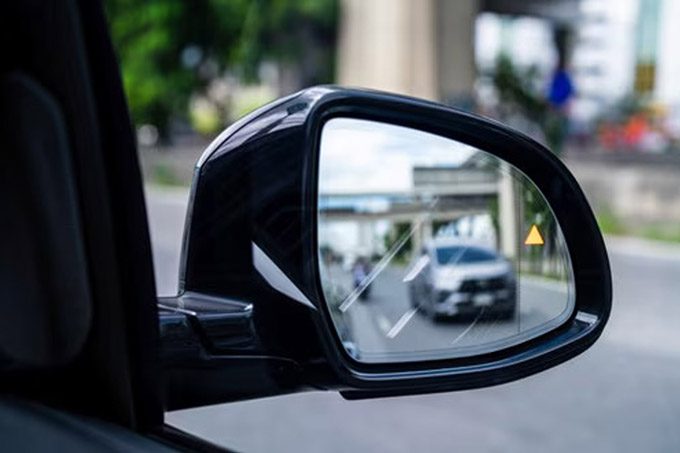
How to correct it: Before changing lanes, you must quickly turn your head and check over your shoulder. At the same time, make use of modern driver‑assistance technology. For instance, there are currently numerous models on the global market equipped with 360‑degree panoramic cameras and blind‑spot warning systems. It is worth noting that as the volume of chinese cars for sale around the world surges, many cost‑effective entry‑level SUVs have already made such active safety features standard equipment.
2. Following Distance Like a “Magnet” — Sticking Too Close
Urban congestion breeds anxiety. Novice drivers frequently forget the “two‑second rule.” They cling to the bumper of the car ahead, terrified that someone will cut into their lane. As a result, the moment the leading vehicle brakes hard, a rear‑end collision becomes unavoidable.
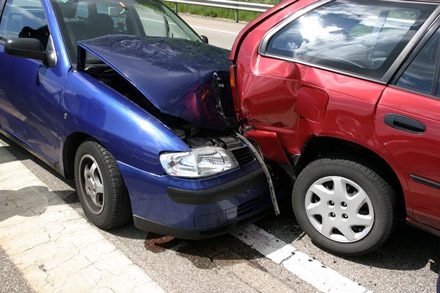
Remember: The higher the speed, the larger the gap must be. Maintaining a three‑ to four‑second reaction window can save your life.
3. Careless Hand Placement on the Steering Wheel — Palming and Shuffling
The “nine‑and‑three” grip emphasized by driving instructors is tossed out the window once real‑world driving begins. Beginners like to steer one‑handed, hooking a finger through the wheel or palming it. This lazy posture can cause an instant loss of control when a tire blows out or the vehicle hits a deep pothole.

Correct method: Keep both hands at the nine o’clock and three o’clock positions at all times. Only in this way can you execute the most precise evasive maneuver during an emergency.
4. Abusing the Brakes Instead of Anticipatory Coasting
This is a double killer of both fuel economy and ride comfort. Novices spot a red light in the distance yet keep pressing the accelerator to rush toward it, then stomp on the brake just before the stop line. In contrast, experienced drivers have long since lifted off the gas pedal, allowing the vehicle to coast and decelerate.
Advanced tip: Extend your gaze further ahead. As soon as you notice traffic slowing or a red light appearing, ease off the accelerator immediately. This not only saves fuel but also noticeably reduces brake‑pad wear.
5. Failing to Turn On Headlights in Tunnels and Using High Beams at Night
Although driving regulations differ slightly from country to country, the principles governing light usage are largely the same. Novices tend to commit two opposite extremes: first, entering a tunnel with the lights off because it seems illuminated enough, making their car invisible to those behind; second, inadvertently activating the high beams in well‑lit urban areas at night by nudging the stalk, momentarily blinding oncoming drivers.

Reminder: Always switch on low‑beam headlights before entering a tunnel. Additionally, glance down frequently at the instrument panel to ensure the high‑beam indicator is off.
6. Parking as a Living “Nightmare”
Whether facing perpendicular parking spaces in the United States or parallel parking spots in Europe, beginners invariably lack spatial imagination. They repeatedly turn the steering wheel while stationary, producing that dreadful screech of tire rubber against the curb.
Tip: Learn to utilize the side‑mirror tilting function or use the position of the rear door handle as a reference point. Moreover, many globalized models nowadays — especially new‑energy vehicles that consistently appear on chinese cars for sale rankings — are equipped with automatic parking assistance. While you should never rely entirely on technology, in an extremely tight spot it can safeguard your expensive paintwork.
7. Distracted Driving: The Double Temptation of Music and Mobile Phones
A novice driver’s brain has yet to develop muscle memory for processing road conditions. In that state, cranking up the volume to change a song or glancing at phone navigation instantly overloads cognitive capacity. Studies indicate that a single look at a phone equates to driving blind for dozens of meters.
Suggestion: Set up your navigation and playlist before you start the car. If an urgent message arrives, pull over to the side of the road before handling it.
8. Improper Speed Control Through Corners
Entering a bend too fast and then braking hard mid‑corner is the root cause of understeer and running wide. The correct rhythm is: first, complete all deceleration in a straight line before entering the curve; second, maintain a steady speed through the apex; finally, only apply the throttle gently once you can see the straight road on exit.
9. Overlooking Subtle Differences in Global Right‑of‑Way Rules
This point is especially critical if you plan a self‑drive holiday abroad. In the United States, pedestrians enjoy absolute priority; at European roundabouts, vehicles already on the inner circle have the right of way. Beginners habitually reach for the horn or barge into traffic, which can easily spark conflict in driving cultures built on courtesy.
10. Ignorance of Basic Car Maintenance
Novices are responsible only for driving, not for upkeep. They panic only when the dashboard illuminates a red oil‑pressure light or a coolant‑temperature warning. Even worse, they have no clue how to open the hood.
Action checklist: Check tire pressure and engine‑oil level once every two weeks. Additionally, know how to top up the windshield washer fluid.
Conclusion: Choosing a Forgiving Car Can Save a Novice’s Life
Avoiding the mistakes above requires time and accumulated experience. Yet a properly equipped automobile can serve as a beginner’s best teacher. Across the global market, automotive intelligence is narrowing the driving‑skill gap. For example, Autonomous Emergency Braking can help you cope with sudden “pedestrian popping out from nowhere” scenarios, while Lane Keeping Assist can prevent you from drifting out of your lane when distracted.
Precisely for this reason, young consumers around the world are no longer fixated solely on legacy brands when purchasing their first vehicle. Instead, they place greater value on the cost‑effectiveness of safety features. This also explains why export figures for chinese cars for sale have repeatedly set new records over the past two years. These vehicles often deliver a rich suite of driver‑assistance systems at a more accessible price point. For novice drivers on a budget who cherish their safety, this represents an exceptionally appealing choice.
A final thought: Approach driving with respect and remain humble. No matter what car you drive, arriving safely is always more worthy of pride than mere speed.


