

- All-New Design Language: Elegant, but More Aggressive
- Platform and Performance: Electrification Takes Center Stage
- Interior and Technology: A Driver-Centric Digital Cockpit
- Global Market Strategy: Tailored Deployment According to Local Conditions
- Price and Competitors: No Retreat on the Premium Path
The all-new next-generation 2026 CX-5 is set to shake up the global compact crossover market. We have gathered all official clues and reliable spy shots from Europe, North America, Japan, and China. Next, we will break down this highly anticipated new model in detail for you.
All-New Design Language: Elegant, but More Aggressive
Mazda’s designers have proactively abandoned the rounded, curvaceous styling of the past. They have infused the new CX-5 with more sharp lines. First, the shield-shaped grille at the front has become larger, and its surround is also thicker. More importantly, the headlight cluster adopts an all-new split or slim design. This gives the front fascia an extremely futuristic look.
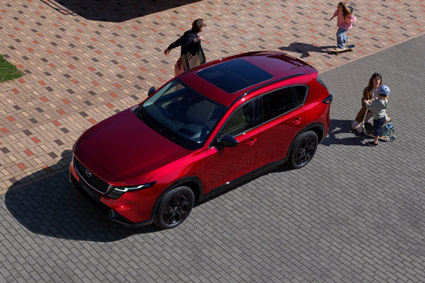
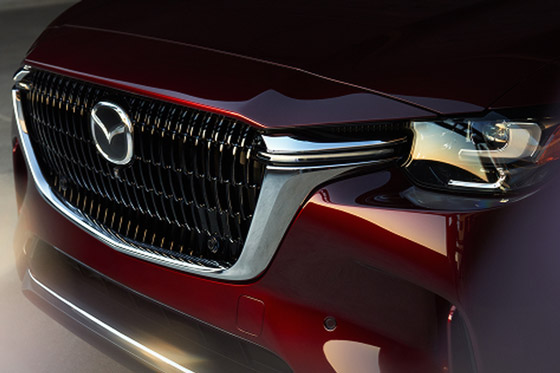

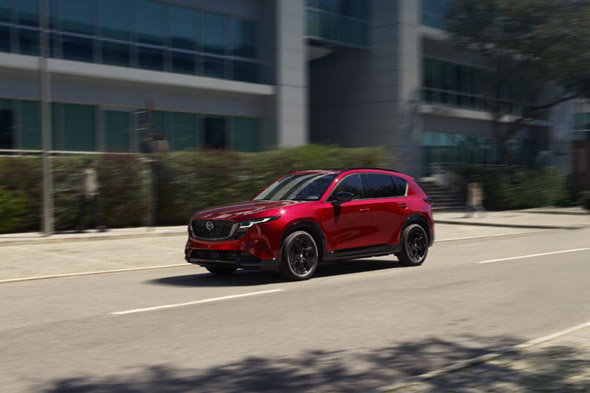
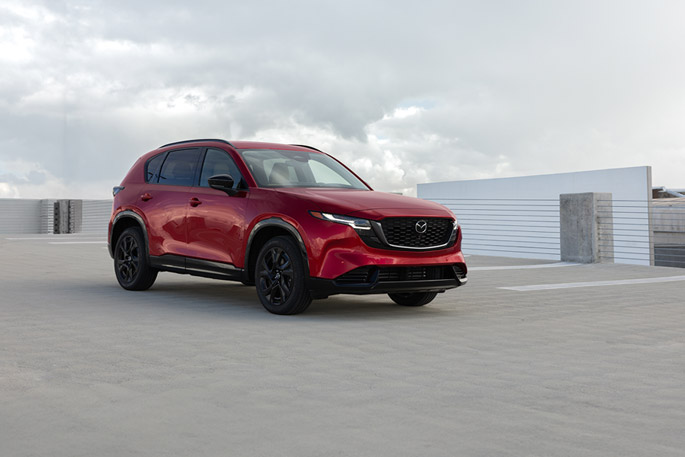
At the same time, the body proportions have undergone a fundamental change. The hood has been stretched longer, while the front overhang has been shortened. This stance creates a strong visual impression of a rear-wheel-drive vehicle. In fact, the new car does borrow design elements from the CX-60 and CX-90. In addition, the rear end features a full-width LED taillight for the first time. Mazda’s signature Soul Red Crystal paint has also evolved into a new generation, with light and shadow textures that surpass those of the past. Ultimately, all of this ensures the new CX-5 absolutely stands out in a crowded parking lot.
Platform and Performance: Electrification Takes Center Stage
Mazda has proactively abandoned the old pure internal-combustion platform. The all-new CX-5 will be built on an upgraded front-wheel-drive architecture. However, engineers have significantly increased body rigidity. They have also retuned the suspension geometry. As a result, both handling precision and ride comfort will see a leap forward.
In terms of powertrain, Mazda has fully embraced electrification. First, for the Japanese and European markets, the main offering is an e-Skyactiv G 2.5-liter mild-hybrid system. It can not only optimize initial response but also dramatically reduce fuel consumption. In addition, a plug-in hybrid (PHEV) becomes a core weapon for the CX-5 for the first time. This system is transplanted from the CX-60, with a combined output exceeding 300 horsepower. Its pure electric driving range is sufficient to cover daily commuting.
However, not all markets are treated with a one-size-fits-all approach. In North America, Mazda insists on offering the highly acclaimed 2.5-liter turbocharged engine. It continues to be paired with an exceptionally cleverly tuned 6-speed or 8-speed automatic transmission. More importantly, Mazda retains the Jinba Ittai driving pleasure. Both the G-Vectoring Control system and the i-Activ all-wheel-drive system have been iterated. Whether on winding mountain roads or slippery snow-covered surfaces, the driver will feel a constant stream of confidence.
Interior and Technology: A Driver-Centric Digital Cockpit
The dashboard of the 2026 Mazda CX-5 adopts a minimalist Japanese aesthetic design. Extensive areas of Nappa leather and genuine wood trim make the tactile experience feel even more luxurious. In addition, the front seats have been ergonomically reshaped to actively support your spine during long-distance driving.
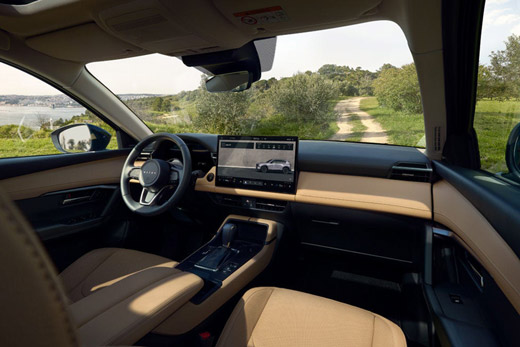
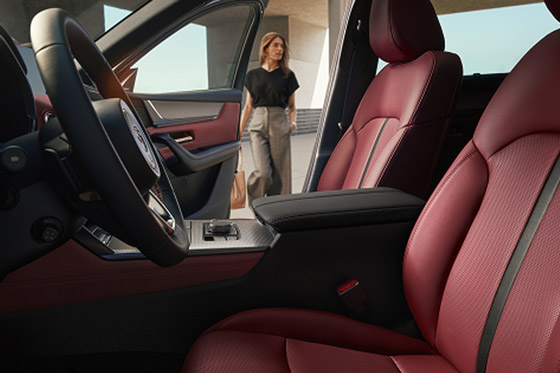
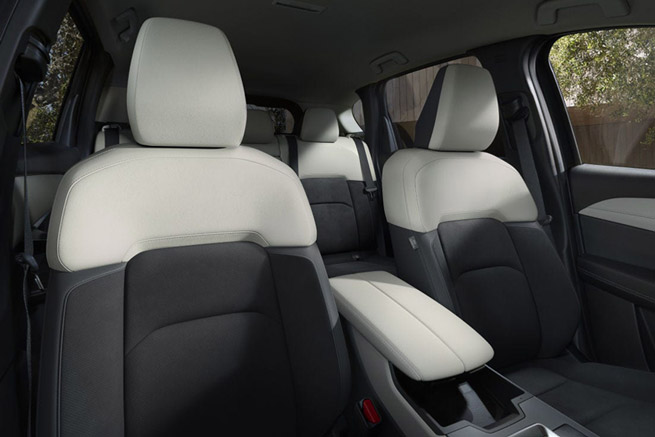
The infotainment system sees a massive upgrade. First, the central display screen size expands to 12.3 inches or larger. Yet Mazda refuses to overuse touch controls. They have cleverly retained the central rotary knob controller, allowing you to operate it safely without looking while driving. At the same time, wireless Apple CarPlay and Android Auto become standard. A fully digital instrument cluster projects clear, detailed driving information. Quietness has also been a key area of improvement. Engineers have added double-layer acoustic glass and more sound-insulating materials. Ultimately, the sense of tranquility inside the cabin is enough to rival Lexus.
Global Market Strategy: Tailored Deployment According to Local Conditions
From a global perspective, Mazda has adopted a phased launch strategy. Japan will debut the vehicle first at the end of 2025. Subsequently, deliveries in Europe and Australia will begin in early 2026. The North American market will see a full rollout in the spring of 2026.
Interestingly, the specifications vary drastically from region to region. European consumers will mainly get PHEV and diesel mild-hybrid versions. U.S. dealers will introduce more of the high-horsepower 2.5T pure gasoline vehicles. Meanwhile, the Chinese market is highly likely to launch a dedicated battery-electric or long-range hybrid version to cope with intense local competition. Mazda also plans to maintain a high ground clearance setting in Southeast Asia. This flexible deployment reflects Mazda’s deep insight into global demand.
Price and Competitors: No Retreat on the Premium Path
We expect the starting price of the 2026 CX-5 to rise slightly. This is entirely justified, as it is resolutely moving towards the premium market. It no longer competes solely on value for money with ordinary Japanese SUVs. Instead, its rivals are locked on the Toyota Harrier, the Volkswagen Tiguan, and the upcoming next-generation Honda CR-V.
Mazda no longer conceals its luxury ambitions. Whether in build quality and materials or in terms of quietness, the new CX-5 actively benchmarks itself against the BMW X1 and Audi Q3. So, is it worth waiting for? If you are tired of mundane, appliance-like family vehicles, and if you long for a smile every time you turn the steering wheel, then the 2026 Mazda CX-5 is your antidote. It remains the SUV that makes drivers grin from ear to ear — only this time, it has become smarter, cleaner, and even more captivating.


