

Are you facing the need to store your car for an extended period due to a long-distance trip, a work assignment abroad, or seasonal vehicle rotation? Many car owners believe that locking the doors is all it takes to keep the vehicle safe. However, that is not the case. A car left unused for a long time faces a series of potential damages. These include battery depletion, oil degradation, tire deformation, and fuel system clogging. Therefore, no matter where you park your vehicle, proper preparation is crucial.
I. Seven Essential Steps to Complete Before Storage
1. Choose an Ideal Storage Location
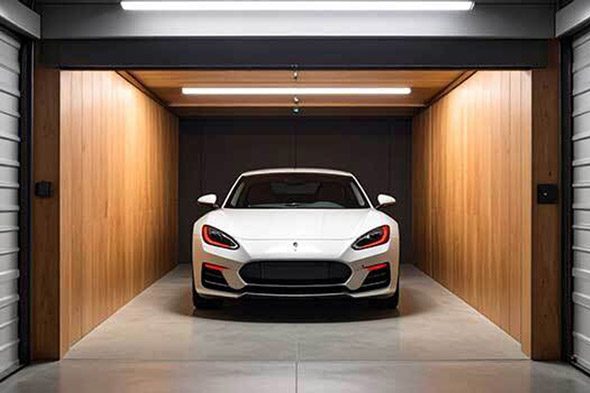
You need to find a dry, well-ventilated, and sheltered space for your car. An indoor garage is the best option. Indoor storage protects the paint from damage caused by rain, ice, snow, and intense sunlight. It also reduces condensation buildup on metal components. If you must park outdoors, be sure to use a high-quality, waterproof, breathable car cover. Keep in mind that ordinary plastic tarps trap moisture, leading to mold and rust. At the same time, park the vehicle on level ground, away from trees and low-lying areas.
2. Thoroughly Clean the Exterior and Interior
Before storage, you need to wash the vehicle exterior thoroughly. Remove bird droppings, tree sap, and dirt. These contaminants can corrode the paint surface with prolonged contact. After washing, make sure the vehicle is completely dry. You may then apply a coat of wax to the body to form a protective layer.
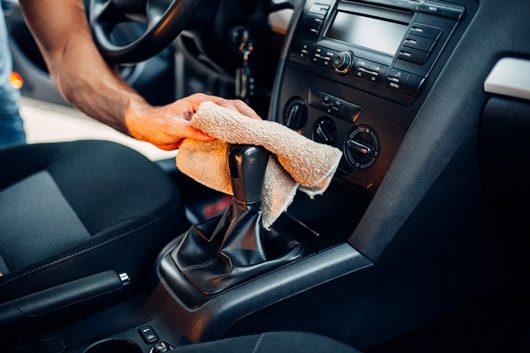
Interior cleaning is equally important. You must remove all food residues and beverage spills from inside the car. Food scraps can attract rodents and insects. Once mice enter the engine compartment, they may chew through wiring, build nests, or even block air intakes. You can place desiccants or dehumidifying boxes inside the car to absorb excess moisture. Leather seats should be treated with a specialized conditioner to prevent drying and cracking.
3. Change the Engine Oil and Oil Filter
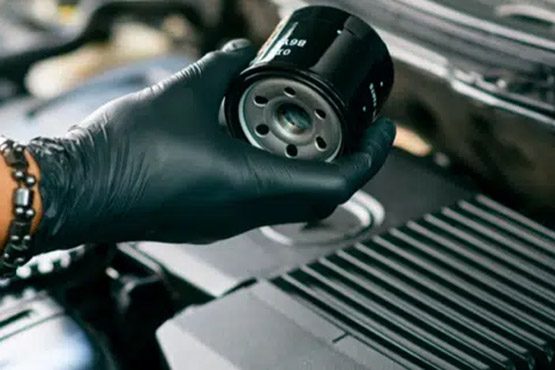
Used engine oil contains acidic substances and impurities. When the vehicle sits idle for a long time, these substances can corrode internal metal parts of the engine. Therefore, you should change the oil and filter with fresh ones before storage. Fully synthetic oil has stronger antioxidant properties than conventional mineral oil. If you plan to store the vehicle for more than six months, choosing fully synthetic oil is a wise decision.
4. Properly Treat the Fuel System
Gasoline has a shelf life. Regular gasoline begins to oxidize and degrade after approximately 90 days of storage. Degraded gasoline can form gum and varnish deposits that clog fuel lines and fuel injectors. You should take the following measures:
- Fill the Tank Completely: A full tank reduces condensation on the inner walls of the tank, preventing rust.
- Add Fuel Stabilizer: If you plan to store the vehicle for more than three months, be sure to pour an appropriate amount of fuel stabilizer into the full tank.
- Run the Engine: After adding the stabilizer, start the engine and let it run for 5-10 minutes to allow the stabilizer to circulate throughout the entire fuel system.
5. Protect the Battery
Modern cars’ anti-theft systems and electronic clocks continuously draw a small amount of current. Long-term storage can lead to a completely dead battery. Lithium-ion or lead-acid batteries may suffer permanent damage if deeply discharged.
You need to choose one of the following methods to protect the battery:
- Disconnect the Negative Cable: Use a wrench to loosen the negative battery terminal clamp, completely cutting off the power supply.
- Use a Smart Charger: If the garage has a power outlet, you can connect a battery maintainer. This device automatically monitors the charge level and provides a maintenance charge as needed.
- Start the Engine Periodically: Start the vehicle every two weeks and let it idle for 10-15 minutes to recharge the battery. However, ensure that the parking environment is well-ventilated.
It is important to note that the computer modules in some luxury brand vehicles rely on continuous power and cannot simply be disconnected. In such cases, using a charger is the better option.
6. Tire Protection
Tires are highly susceptible to developing flat spots from deformation under long-term static load. If the deformation is severe, the tires may become unusable. You can do the following:
- Increase Tire Pressure: Inflate the tires to approximately 0.5 bar above the standard recommended pressure to enhance resistance to deformation.
- Use Jack Stands: If the storage period exceeds six months, it is recommended to lift the vehicle with jack stands so that the tires are completely suspended off the ground.
- Move the Vehicle Periodically: Once a month, have someone move the vehicle forward or backward a few dozen centimeters to change the pressure points on the tires.
7. Release the Parking Brake and Secure the Vehicle
Leaving the parking brake engaged for an extended period keeps the brake cables and brake discs under tension. This can not only cause the parking brake mechanism to stick but also lead to rust bonding between the brake pads and rotors, which may require towing for repair in severe cases. The correct procedure is:
- Release the parking brake.
- Use bricks or wooden blocks to chock the wheels and prevent the vehicle from rolling.
- Place the transmission in “P” (Park) for automatic vehicles, or in 1st gear or Reverse for manual vehicles.
II. Restarting Procedures After Storage
When you are ready to put your long-parked vehicle back into service, do not simply start it and drive away immediately. Follow these steps to ensure safety:
Step 1: Visual Inspection
Check underneath the vehicle for signs of fluid leaks. Observe whether the tire pressure is visibly low. Open the hood and check for evidence of rodent activity, such as chew marks or nesting materials. Ensure that the exhaust pipe is not blocked by any foreign objects.
Step 2: Power On and System Self-Check
Do not start the engine yet. Turn the key to the “ON” position or press the start button without depressing the brake pedal. Wait for about one minute to allow the fuel pump to build pressure. Observe the instrument panel to see if the warning lights function normally.
Step 3: Start the Engine and Drive at Low Speed
Start the engine and allow it to idle for 3-5 minutes. Then, drive at low speed for about 10 kilometers to allow the braking system, transmission, and suspension components to gradually return to normal operating condition.
Step 4: Check Critical Systems
While driving, pay attention to any abnormal vibrations or unusual noises. After stopping, recheck the engine oil level, brake fluid condition, and tire condition. If your vehicle has been stored for more than three months, it is advisable to take it to a professional repair shop for a comprehensive inspection, with particular attention to the braking and steering systems.
III. Special Storage Recommendations for Different Global Climate Zones
Cold Regions (e.g., Northern Europe, Canada, Northern China)
Cold climates pose unique challenges to automobiles. Electrolyte activity decreases at low temperatures, significantly reducing battery storage capacity. You need to:
- Ensure the coolant/antifreeze mixture meets the lowest local temperature requirements (at least -35°C).
- Using a heated garage prevents fluids from freezing and condensation from forming.
- Avoid engaging the parking brake outdoors to prevent the brake cables and discs from freezing and sticking.
Hot and Humid Regions (e.g., Southeast Asia, Florida USA, Hainan China)
High humidity environments accelerate corrosion of metal parts and mold growth. Miami, Florida, and Qionghai, Hainan, China, are representative examples of hot and humid climates. You need to:
- Place a sufficient amount of desiccant inside the vehicle and replace it regularly.
- Run the air conditioning system monthly to prevent mold growth in the evaporator core.
- Use a breathable car cover to avoid moisture accumulation under the cover.
Hot and Dry Regions (e.g., Middle East, Australia, Xinjiang China)
Intense sunlight and high temperatures accelerate rubber component aging, interior fading, and battery electrolyte evaporation. Phoenix, Arizona, and Turpan, Xinjiang, China, are typical hot and dry climate zones. You need to:
- Absolutely avoid outdoor parking. If an indoor garage is not available, be sure to use a high-quality UV-protective car cover.
- Regularly check the battery electrolyte level (for non-maintenance-free batteries).
- Tires should be kept out of direct sunlight; they may be removed and stored in a shaded area.
Special Conditions in the Middle East
The tropical desert environment of the Middle East is unique. Tests conducted in locations such as Jeddah, Saudi Arabia, indicate that aging characteristics differ somewhat from those observed in typical humid-hot or dry-hot environments. If you are storing a vehicle long-term in the Middle East, a fully enclosed indoor garage is the best choice.
IV. Common Misconceptions and Important Notes
Misconception 1: The fuel tank should be emptied before storage.
This statement is not entirely accurate. Half a tank or an empty tank allows a large volume of air to enter, leading to condensation of water vapor on the inner tank walls and causing rust. For short-term storage (within 90 days), filling the tank and adding stabilizer is the correct practice. However, for very long-term storage (over one year), some experts recommend draining the fuel entirely and refilling with fresh gasoline when putting the vehicle back into service.
Misconception 2: Disconnecting the negative battery terminal solves everything.
Even with the negative terminal disconnected, the battery itself still undergoes a slow self-discharge. Deep discharge can permanently damage the battery. Therefore, even if disconnected, periodic charging or the use of a battery maintainer is recommended.
Misconception 3: Electric vehicles do not require special preparation.
Electric vehicles also require preparation. The high-voltage traction battery should not be stored fully charged or fully depleted. The ideal state of charge is between 40% and 60%. Furthermore, the small 12-volt auxiliary battery in an EV still needs regular maintenance to prevent depletion. If your vehicle has a “Storage Mode” function, be sure to activate it.
Misconception 4: Longer storage saves more money.
Quite the opposite. After long-term storage, you may face costs for replacing the battery, tires, and engine oil, as well as cleaning the fuel system. These expenses can add up to thousands of yuan. The fuel cost of periodic startups and short drives is far lower than the cost of post-storage repairs.
V. Quick Reference Checklist
| Action Item | Specific Measure | Recommended Frequency/Timing |
| Battery Maintenance | Disconnect negative terminal or use battery charger | Execute if storage exceeds 2 weeks |
| Tire Pressure | Inflate to standard pressure + 0.5 bar | Complete once before storage |
| Tire Movement | Move vehicle to change pressure points | At least once per month |
| Fuel Treatment | Fill tank and add stabilizer | Complete once before storage |
| Oil Change | Change to fully synthetic oil | Complete once before storage |
| Exterior Protection | Wash, wax, and cover with car cover | Complete once before storage |
| Parking Brake Handling | Release and secure with blocks | Mandatory if storage exceeds 2 months |
| Periodic Startup | Idle for 10-15 minutes | Once every 2 weeks |
| Rodent Prevention | Place mothballs or rodent repellent | Check and place before storage |
Conclusion
Cars fare better when driven regularly than when left idle. The damage caused by long-term storage to a vehicle is cumulative and often irreversible. Taking a little time to perform the preparations outlined above will ensure that your car remains reliable and ready to go, even after “hibernating” for several months or even a year.


