

- 1. Design Philosophy: Comfortism vs. Sporty Aesthetics
- 2. Cabin Experience: Living Room Sofa vs. Fighter Jet Cockpit
- 3. Suspension and Handling: Magic Carpet Ride vs. Sporty Driving Dynamics
- 4. Powertrain: Efficient Pragmatism vs. Diverse Choices
- 5. Space and Practicality
- 6. Price and Value
- 7. Global Market Landscape: The Survival Strategy of French Cars
- Final Verdict: Which SUV Comes Out on Top?
The 2026 Citroën C5 Aircross and the Peugeot 3008 both come from the Stellantis group’s STLA Medium platform. Yet they follow completely different design philosophies, catering to distinct user needs.
Below, we conduct an in-depth comparison across multiple dimensions. These include design philosophy, cabin experience, suspension and handling, powertrain, and space and practicality. This will give you a detailed understanding of their differences.
1. Design Philosophy: Comfortism vs. Sporty Aesthetics
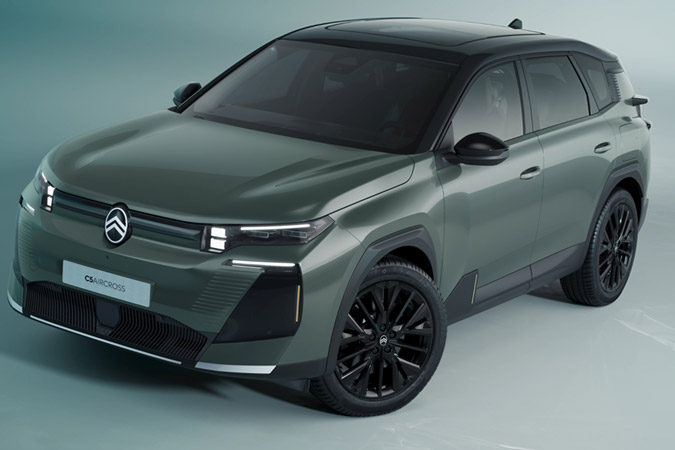
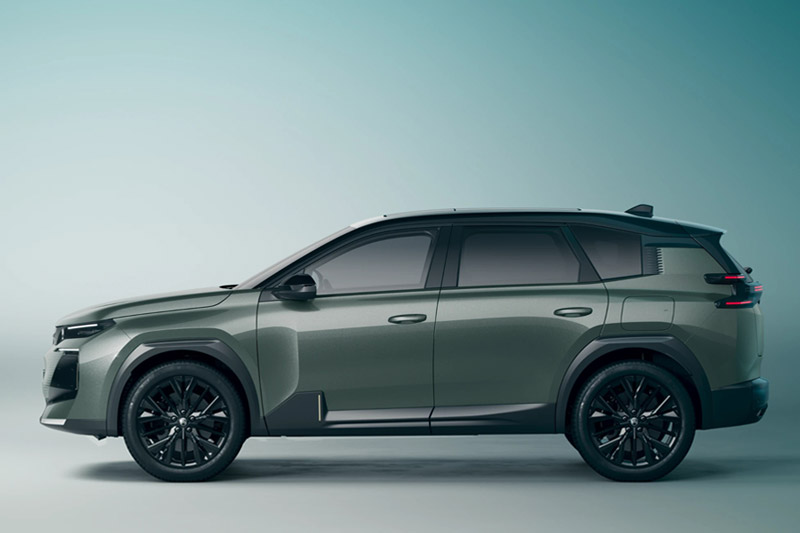
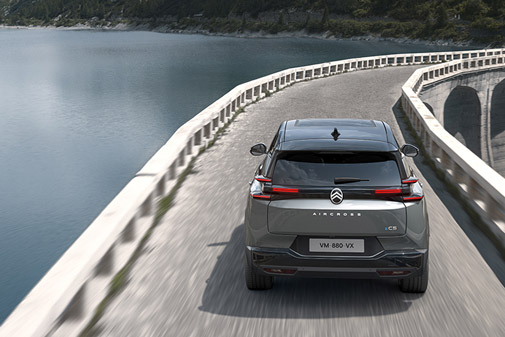
The Citroën C5 Aircross embraces a “comfort first” creed. After its major refresh, the body length extends from 4.5 meters to roughly 4.6 meters. The wheelbase stretches to 2,784 mm. This transforms it into a proper mid-size SUV. The front end features a three-point daytime running light signature and matrix LED headlights. The brand’s new double-chevron emblem sits in the center. The rear is particularly stunning, with “Light Wing” LED taillights that appear to float in mid-air in the dark.
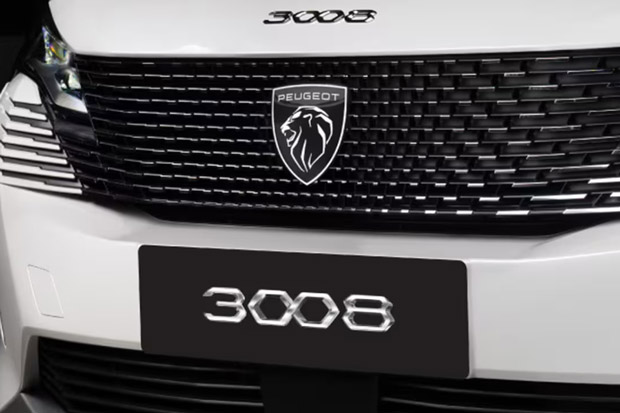
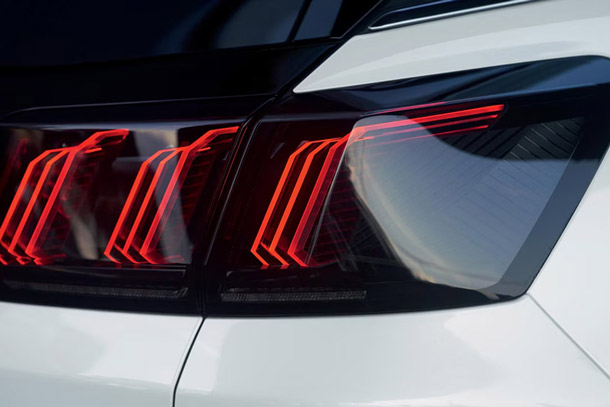
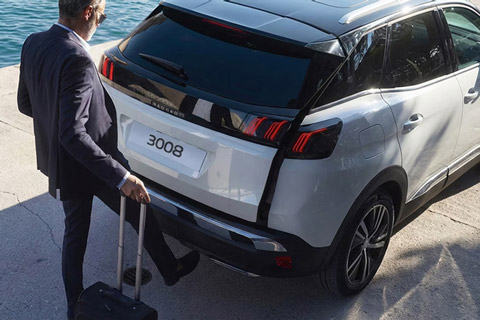
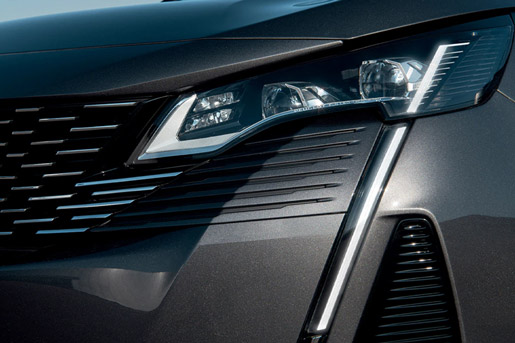
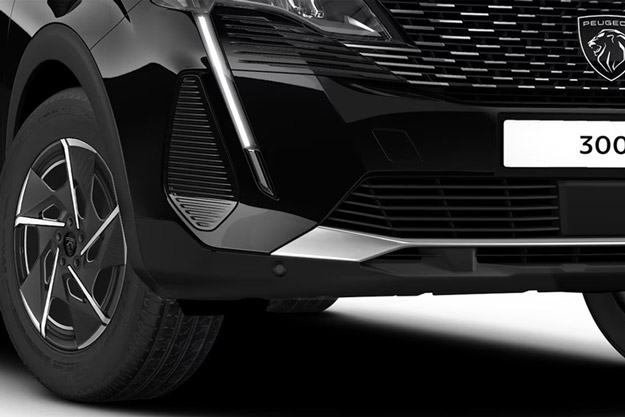
The Peugeot 3008 is utterly different. It adheres to the belief that “design is justice.” It adopts a fastback sloping roofline, “lion’s claw” front headlights, a smoked dot-matrix grille, and a full-width LED taillight bar. These give it an aggressively sporty stance. With a body length of about 4,565 mm and a coupe-like silhouette, it visually appears more compact and sharper than the C5 Aircross.
2. Cabin Experience: Living Room Sofa vs. Fighter Jet Cockpit
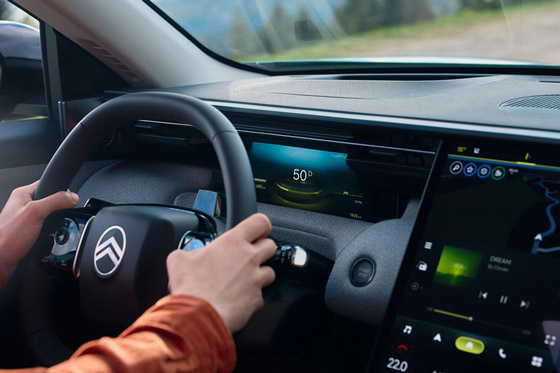
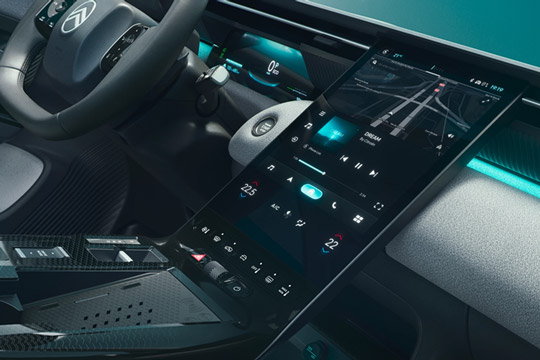
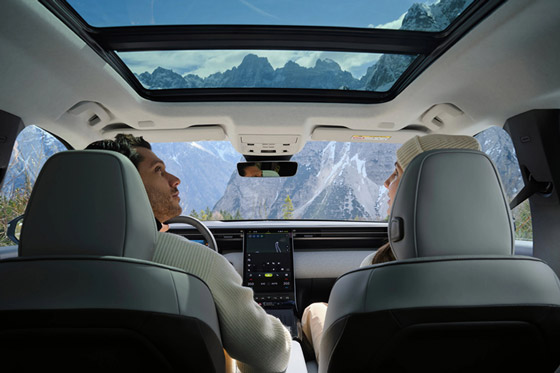
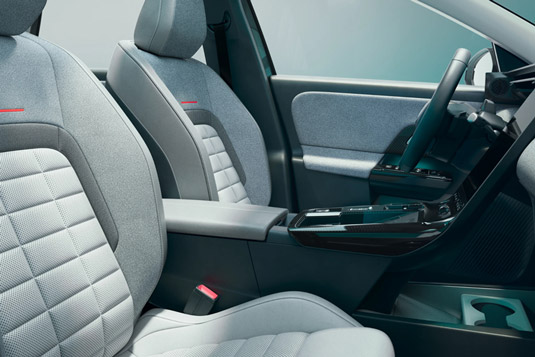
The C5 Aircross’s cabin is named the “C-Zen Lounge” — a zen-inspired living room. It features a 10-inch digital instrument cluster and a 13-inch waterfall-style touchscreen. The seats employ Citroën Advanced Comfort® “sofa-grade” design, with generously wide cushions, thick padding, and a soft touch. In the official promotional materials, the word “comfort” appears a full 28 times. This is not just an SUV; it is a mobile living space.
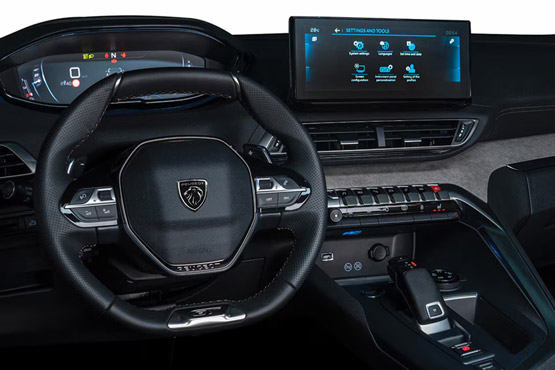
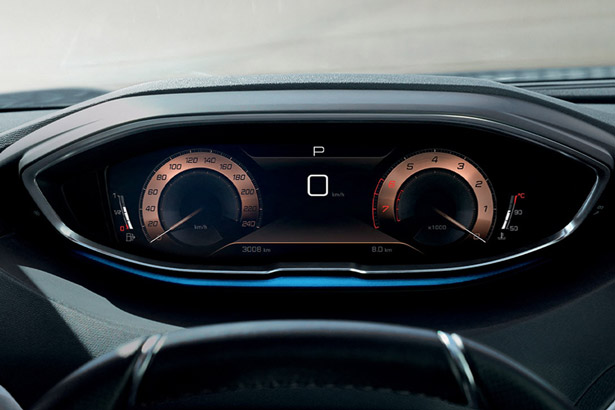
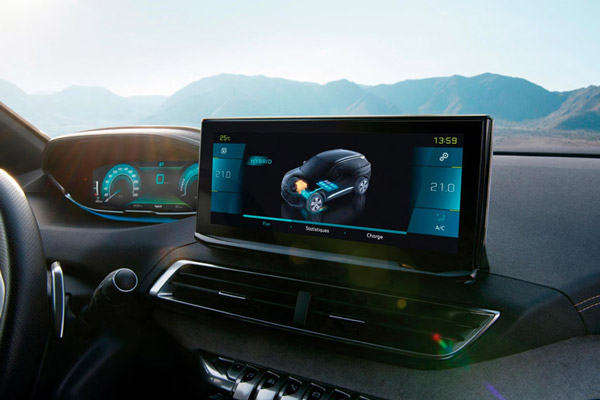
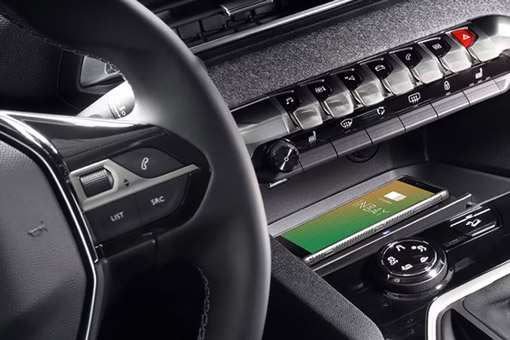
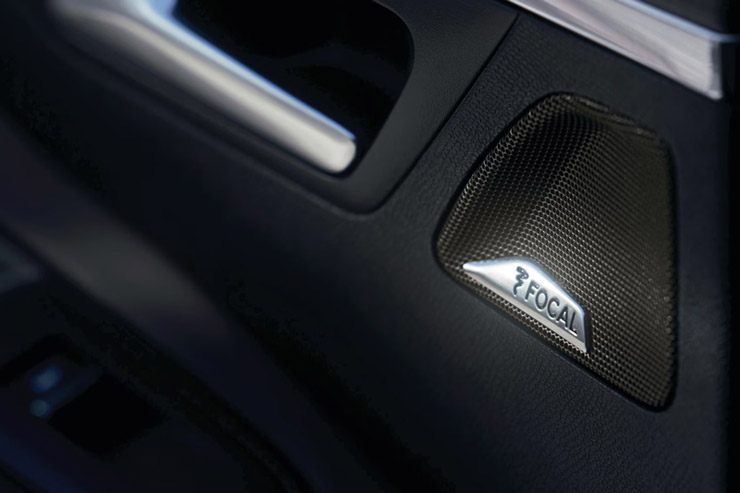
The Peugeot 3008, in contrast, features the brand’s signature “i-Cockpit.” A 21-inch panoramic curved screen seamlessly integrates the instrument panel and central display. The compact flat-bottomed steering wheel, combined with a high-set instrument layout, creates an immersive sensation akin to piloting a fighter jet. The seats use Alcantara upholstery and feature adaptive side bolsters that automatically tighten during cornering to deliver better lateral support.
3. Suspension and Handling: Magic Carpet Ride vs. Sporty Driving Dynamics
This is the most fundamental difference between the two vehicles and the key watershed in a purchase decision.
The C5 Aircross features Citroën’s exclusive Progressive Hydraulic Cushions® (progressive hydraulic damping suspension), commonly called the “magic carpet suspension.” This system boasts 20 patents and absorbs road impacts of varying magnitudes through different hydraulic circuits.
What is the actual effect? It filters out minor road surface vibrations almost entirely. When encountering large potholes, the suspension effectively cushions the impact. Sitting in the car truly imparts a floating sensation, as if gliding over the road. However, the trade-off is equally evident. The suspension’s initial stage uses an extremely soft setting. This results in more pronounced body roll during cornering. The driver must be more delicate in modulating the accelerator and brake pedals.
The Peugeot 3008 takes the completely opposite path. Its suspension tuning clearly favors sportiness: the chassis is robust and planted, the steering is precise and full of feedback. A Taiwanese auto reviewer sums it up as follows: “Unlike the Peugeot 3008 on the same platform, which focuses on sporty handling, one goes for family comfort, the other for dynamic control. The two carmakers target distinctly different market segments and product positioning.”
4. Powertrain: Efficient Pragmatism vs. Diverse Choices
The two cars also exhibit different emphases at the powertrain level.
For the C5 Aircross, Citroën globally promotes a 1.2-liter three-cylinder turbocharged engine with a 48V mild-hybrid system. It serves as the main power unit. This unit produces a combined 145 hp and pairs with a 6-speed wet dual-clutch transmission. The system requires no external charging. It can run purely on electric power at low speeds in the city. It delivers an average fuel consumption as low as 19.9 km/L, and the annual tax rates are very reasonable. The 0-100 km/h acceleration takes about 11.2 seconds — not fast, but sufficient for daily use. Citroën also offers a plug-in hybrid version, with a WLTP combined range of up to 1,100 kilometers. In the Chinese market, the C5 Aircross (Tianyi) also offers two pure internal combustion engine choices: a 1.6T (175 hp) and a 1.8T (211 hp).
The Peugeot 3008 provides a more diverse range of powertrain options across different global markets. These include a 1.2T three-cylinder mild hybrid (136 hp), a 1.6T four-cylinder turbo (165-181 hp), and a 1.5L diesel turbo (130 hp). There is also a pure electric version, the E-3008. The E-3008 comes with a 73 kWh battery, offers a WLTC range of up to 604 kilometers, and delivers a maximum output of 213 hp.
5. Space and Practicality
Despite sharing a platform, the two vehicles differ slightly in space utilization.
The C5 Aircross boasts a class-leading 651-liter luggage compartment. The rear seats support a 40/20/40 split-folding arrangement, expanding the capacity to 1,668 liters when folded. The 3008 offers a luggage compartment of 520 liters (standard version) to 588 liters (GT version). When the seats are folded, this expands to approximately 1,480 liters. The gap is not huge. But for family users who frequently need to carry large items, the C5 Aircross is indeed more practical.
Furthermore, the C5 Aircross also includes a hands-free power tailgate and plenty of USB-C charging ports. This ensures that all the family’s devices remain powered worry-free on trips.
6. Price and Value
In terms of pricing strategy, the C5 Aircross demonstrates a higher cost-performance ratio.
In the Taiwanese market, the C5 Aircross carries a price tag between TWD 1,268,000 and TWD 1,398,000. The entry-level model already comes with a very generous standard configuration. The top-of-the-line Max variant exclusively enjoys dual front seats with massage, ventilation, and heating. It also includes matrix LED headlights, a head-up display, and a 360-degree surround-view camera system.
In the UK market, the C5 Aircross Max Hybrid 145 has a starting price of approximately £35,775. Professional reviews point out that the C5 Aircross costs notably less than the group’s Vauxhall Grandland and the Peugeot 3008.
Peugeot positions the 3008 slightly higher. In the Australian market, the GT Sport version starts at around AUD 57,400; the E-3008 costs JPY 7,600,000 in Japan. This price difference reflects the Peugeot 3008’s higher aspiration in brand positioning.
7. Global Market Landscape: The Survival Strategy of French Cars
In 2026, the global automotive industry is undergoing profound changes. Chinese automobile exports already accounted for 35% of total sales in April, a significant jump from 20% in 2025. Brands such as BYD, Chery, and Geely are rapidly expanding in multiple regional markets worldwide. Amid the wave of massive Chinese auto exports, traditional European brands are facing unprecedented competitive pressure.
Against this backdrop, how do French brands break through? The answer is: differentiation.
The strategies for the C5 Aircross and the 3008 are crystal clear. They do not compete with Chinese brands on price and piling on smart features. Instead, they focus on the brand’s unique design aesthetics and driving experience. You cannot find a magic carpet suspension on a Chinese SUV. It is also difficult to experience the immersive fighter-jet cockpit feel of the i-Cockpit elsewhere. This is precisely the insurmountable moat that makes French brands irreplaceable in the global market.
Notably, Stellantis and Dongfeng Group are advancing a “Made in China, Sold Globally” strategy. The total investment exceeds RMB 8 billion. They plan to produce new Peugeot and Jeep brand vehicles at the Wuhan plant for export worldwide. This means that the globalization pace of French brands is accelerating. At the same time, China’s automobile sales channels are maturing. This opens up new possibilities for these models to reach a broader international market.
Final Verdict: Which SUV Comes Out on Top?
After a comprehensive comparison, the answer depends on what you value most.
Choose the 2026 Citroën C5 Aircross if:
- Comfort is your top priority — the magic carpet suspension is unmatched.
- You need a larger luggage compartment (651 liters vs. 520 liters).
- You place greater importance on cost-effectiveness — it is more affordable for the same level of equipment.
- Your daily driving mainly consists of city commuting and family trips.
- You prefer a subtle, durable design style.
Choose the 2026 Peugeot 3008 if:
- You love driving and enjoy the thrill of handling through corners.
- Avant-garde and bold design language attracts you.
- You need a pure electric option (E-3008).
- You prefer a highly technological, fighter-jet-style cockpit.
- You are willing to pay a brand premium for a unique experience.
Overall recommendation: For the majority of family users, the C5 Aircross holds a slight edge. It offers a more comfortable ride, more practical space, and highly competitive fuel economy at a lower price point. If you face bumpy urban roads every day, you might call its magic carpet suspension a “specific remedy for road surfaces.”
However, the 3008 possesses undeniable charisma in terms of design and driving pleasure. It better suits buyers who see their car as an expression of individuality rather than just a means of transport.
Both cars represent the pinnacle of the French automotive industry. Whether you choose comfort or sportiness, practicality or personality, you will acquire an SUV that retains its unique charm in an era of homogenization.
In this era, Chinese automobiles are going overseas on a massive scale. Chinese auto sales are reshaping the global competitive landscape. Yet French brands prove they remain irreplaceable. They wield three trump cards: design, comfort, and handling.


