

- Exterior Design: Futuristic Tech Meets Sporty Elegance
- Interior and Comfort: Digital Cockpit vs. Artisan Craftsmanship
- Smart Technology and Connectivity: A Full-Fledged Battle of Two Ecosystems
- Powertrain and Driving Experience: Diverse Electrification vs. High-Performance Turbo
- Safety and Convenience: All-Around Protection
- Price and Value Proposition
- Conclusion: Which Is Your Ultimate Choice?
The luxury sedan market is never short of excellent choices, but when the all-new, next-generation 2026 Lexus ES meets the continuously evolving 2026 Genesis G80, a deep dialogue on design, technology, performance, and value unfolds. Both models represent the pinnacle of their respective brands, yet they pursue distinctly different product philosophies. In the following, we will conduct a detailed comparison across multiple dimensions to help you find the dream car that best suits your needs.
Exterior Design: Futuristic Tech Meets Sporty Elegance
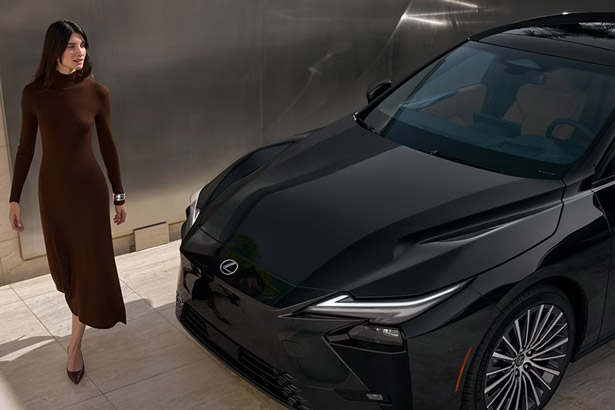
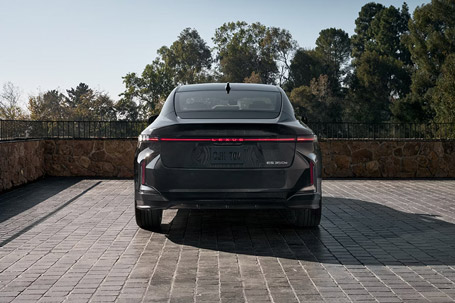
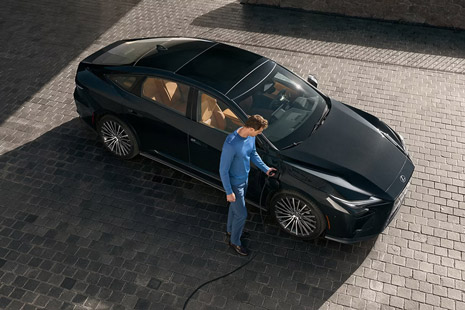
Starting with the first impression, the 2026 Lexus ES has undergone a complete design revolution. The front end features an all-new headlight cluster design, with slim L-shaped daytime running lights stretching outward to the sides, complemented by a flowing body silhouette and a more muscular stance, creating a highly dramatic presence. Notably, the rear adopts a full-width single light bar design and, for the first time, is fitted with an illuminated Lexus emblem, leaving an unforgettable signature of light and shadow at night. Additionally, the ES 350e and 500e models can be optioned with visually striking 21-inch multi-spoke alloy wheels, further reinforcing the car’s futuristic feel.
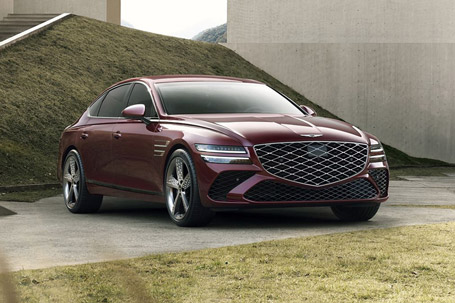
In contrast, the 2026 Genesis G80 follows a path of sporty elegance. It interprets the design philosophy of “Athletic Elegance” with flowing parabolic lines and a confident stance. The signature G-Matrix crest grille at the front, paired with the iconic two-line LED headlights, not only provides precise lighting control but also delivers a highly distinctive illumination effect. The rear design draws inspiration from classic racing cars of the 1960s, with dual-line taillights echoing the available dual exhaust outlets, exuding a unique charm that blends retro and dynamic elements. With the Sport Prestige package, the 20-inch sport alloy wheels push the visual tension to the maximum.
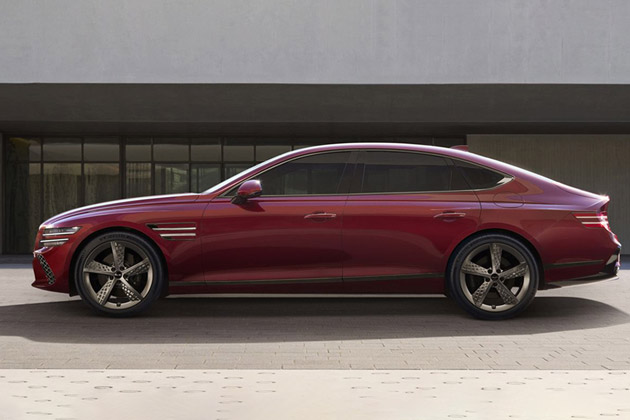
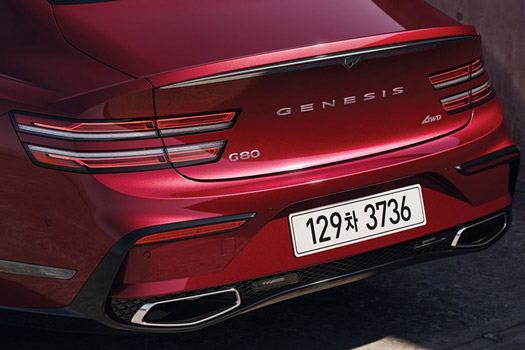
In short, the ES feels more like a digital vehicle shuttling through the future, while the G80 resembles a precisely crafted mechanical work of art. The winner in exterior design depends entirely on your personal aesthetic preference.
Interior and Comfort: Digital Cockpit vs. Artisan Craftsmanship
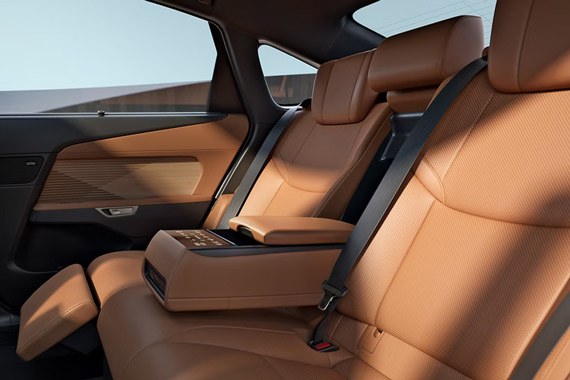
The two cars also present vastly different luxury concepts. The 2026 Lexus ES introduces the latest generation of the Lexus Interface multimedia system for the first time, centered on a 14-inch high-definition touchscreen. The interior design emphasizes the “dialogue between driver and vehicle,” with a spacious cabin layout and seats that offer outstanding support and bolstering. What truly excites rear-seat passengers is the available Executive Package, which brings power-adjustable, heated, and ventilated rear seats, a front passenger-side footrest, and even outer rear massaging seats, elevating the sense of rear-seat prestige to an entirely new level. Furthermore, the customizable themed ambient lighting system can change colors and effects according to mood and preference, creating a one-of-a-kind sensory experience.
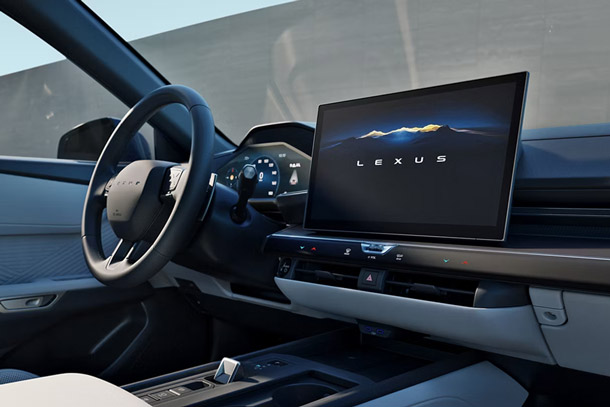
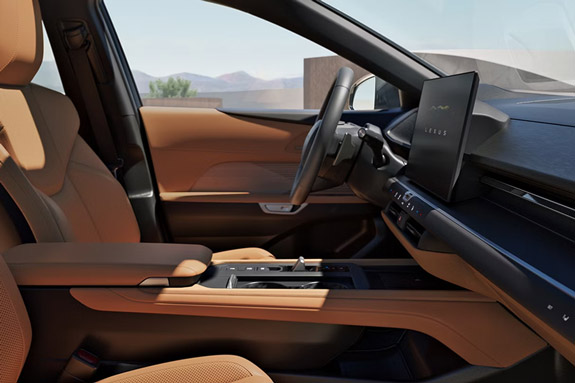
On the other hand, the interior of the Genesis G80 is more like a luxurious tech living room. Upon entering the cabin, the eye is immediately drawn to the stunning 27-inch OLED integrated display, which combines the instrument cluster, navigation, and vehicle status information, delivering visuals that are exceptionally clear and detailed. The exquisite Nappa leather seats feature double diamond quilting, and the jewelry-inspired crystal shift knob on the center console pushes the tactile and visual enjoyment to the extreme. Although the rear seats do not offer an ultimate executive ottoman option similar to the ES, the G80 focuses more on creating an immersive driving environment with superb craftsmanship and a delicate touch for the driver.
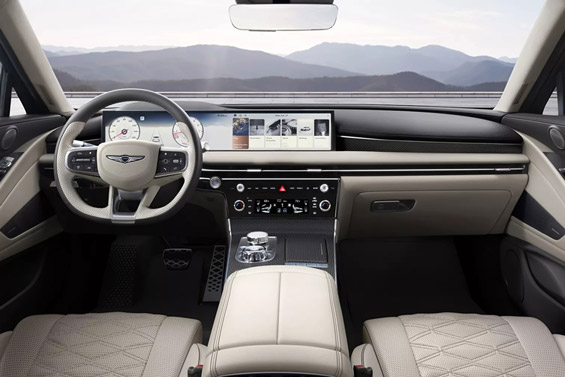

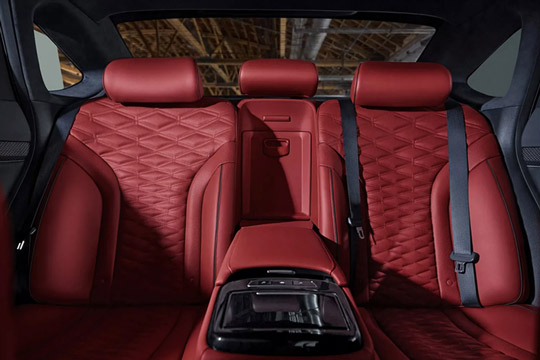
This also means that if you place greater importance on rear-seat comfort features, the ES’s Executive Package is undoubtedly a huge advantage; while if you are more captivated by the overall sense of technological immersion and material quality of the cabin, the G80’s 27-inch widescreen and crystal shift knob are even harder to resist.
Smart Technology and Connectivity: A Full-Fledged Battle of Two Ecosystems
In terms of smart technology, both cars are armed to the teeth. The 2026 Lexus ES, empowered by the all-new Lexus Interface system, achieves faster response and deeper levels of personalization. The standard dash cam, 5G network support, user profiles that store personal preferences, and the “Hey Lexus” intelligent voice assistant make the overall human-machine interaction experience exceptionally fluid. The Digital Key function also allows vehicle access to be shared with up to seven family members or friends, offering extremely high practicality.
Looking at the Genesis G80, its 27-inch OLED widescreen is itself a powerful information processing hub, supporting wireless Apple CarPlay and Android Auto. The G80’s smart features lean more toward convenience and automated experiences: it features a Driver Profile that can memorize almost all settings from seats and audio to navigation preferences; Genesis Digital Key 2.0 and the in-car payment function allow you to pay for fuel and reserve parking fees directly from inside the car. What is particularly impressive is the Remote Smart Parking Assist 2 offered by the G80. With a long press of a button, the vehicle can automatically complete parallel, perpendicular, or diagonal parking, which is very friendly for tight spaces. Additionally, the 12-inch head-up display, which projects key driving information onto the windshield, also effectively enhances driving safety.
It can be seen that the ES’s technology emphasizes the depth of the connected ecosystem and rear-seat entertainment experience, while the G80 focuses more on making the driver feel meticulously attended to through automated convenience.
Powertrain and Driving Experience: Diverse Electrification vs. High-Performance Turbo
This is perhaps the area where the differences are most distinct. The 2026 Lexus ES fully embraces electrification, offering three powertrain choices. For those pursuing ultimate efficiency, there is the ES 350h, whose sixth-generation hybrid system delivers a combined output of 244 horsepower, with the front-wheel-drive version achieving an EPA-estimated combined fuel economy rating as low as 46 MPG, making it a paragon of fuel saving. If you are ready to step into the pure electric era, the first-ever ES 350e provides an EPA-estimated range of 307 miles, with a quiet and smooth driving experience. The flagship ES 500e, meanwhile, outputs 338 horsepower through its dual-motor all-wheel-drive system, accelerating from 0 to 60 mph in just 5.1 seconds, and supports adjusting four levels of regenerative braking force via steering wheel paddles, balancing performance and range.
At the same time, the Genesis G80 holds its ground in the realm of combustion performance, demonstrating a more primal sense of power through turbocharged engines. The entry-level 2.5T four-cylinder engine already produces 300 horsepower, paired with all-wheel drive and an 8-speed automatic transmission. To awaken the passion, the available 3.5-liter V6 twin-turbocharged engine unleashes 375 horsepower and 391 lb-ft of robust torque, and adds a Sport+ driving mode, launch control, and an electronic limited-slip differential. Even more hardcore, the G80 is also equipped with an Electronically Controlled Suspension (with Road Preview function) and a Rear Wheel Steering system, making this sizable sedan exceptionally agile through corners and giving it a smaller turning radius, significantly raising both the handling ceiling and parking convenience.
Simply put, the ES’s powertrain options represent the driving methods of the present and future — efficient, quiet, and powerful (in the electric version); whereas the G80, with the sound of its V6, the thrust of its turbo boost, and its sophisticated chassis technology, stubbornly adheres to traditional driving pleasure.
Safety and Convenience: All-Around Protection
In terms of safety, both cars come with a full suite of standard features. The 2026 Lexus ES comes standard with Lexus Safety System+ 4.0, which includes a complete set of active safety features such as Pre-Collision System with Pedestrian Detection, Full-Speed Range Dynamic Radar Cruise Control, Lane Departure Alert with Steering Assist, and Lane Tracing Assist. Meanwhile, the digital door locks, working in conjunction with the Safe Exit Assist system, can warn and prevent the door from opening if an approaching vehicle or pedestrian is detected from the rear, which is especially practical in urban environments.
The Genesis G80 is equally well-equipped. Its Highway Driving Assist 2 can precisely keep the vehicle centered in its lane; Rear Cross-Traffic Collision-Avoidance Assist, Forward Collision-Avoidance Assist 2, and the very distinctive Blind-Spot View Monitor (which displays a real-time image of the blind spot in the instrument cluster when the turn signal is activated) along with Blind-Spot Collision-Avoidance Assist, form a 360-degree electronic safety net. Coupled with a 3-year/36,000-mile complimentary maintenance and a 5-year/60,000-mile vehicle warranty policy, the G80 makes a highly sincere commitment in terms of long-term care.
Price and Value Proposition
Finally, we arrive at the crucial car-buying budget phase.
- The starting threshold for the 2026 Lexus ES is more accessible. The all-electric ES 350e starts at $48,895; the hybrid ES 350h starts at $51,095; and the more powerful all-wheel-drive ES 500e starts at just $51,895. With its rich array of electrified options and highly competitive entry price, the ES demonstrates an extremely strong sense of value.
- The 2026 Genesis G80 has a slightly higher starting price. The 2.5T AWD base model is $58,450; the upgraded 2.5T Advanced AWD (adding a panoramic sunroof and B&O sound system) is $64,040; and the 2.5T Sport Prestige AWD is $69,950. To experience the charm of the V6 twin-turbo, the 3.5T Sport Prestige AWD is priced at $78,350, while the top-tier Prestige Black AWD, with a black package and exclusive Nappa silk, is $79,350. The G80 comes standard with all-wheel drive and more powerful engines, and its price rises accordingly.
Conclusion: Which Is Your Ultimate Choice?
In summary, the 2026 Lexus ES and the Genesis G80 are top-tier contenders with markedly different personalities.
Choosing the Lexus ES means you embrace a diverse, efficient, and highly forward-looking concept of luxury. It offers a lower entry price, an extremely fuel-efficient hybrid, a quiet and powerful pure electric option, and an unrivaled rear-seat Executive Comfort Package. It is a luxury sedan that thoughtfully considers the experience of all passengers and smoothly guides you into the era of electrification.
Turning to the Genesis G80, on the other hand, means you are true to yourself and passionate about driving. With its imposing exterior, art-like cabin, stunning 27-inch widescreen, and the rich sound of the V6 twin-turbo engine, it offers you a pure and sophisticated mechanical charm. Combined with its high-spec chassis technology and comprehensive warranty, the G80 is a vehicle that ignites driving passion and showcases a unique taste.


