

- 1. Brand Image and Reputation for Reliability
- 2. The Law of Market Supply and Demand
- 3. Fuel Economy and Holding Costs
- 4. Technology and the Pace of Model Updates
- 5. Exterior Design and Color Choice
- 6. New Car Sales Strategy and Brand Discounts
- 7. Vehicle History and Condition
- Conclusion: How to Find a Car That Saves You More Money?
Have you ever wondered why a three-year-old Toyota pickup truck can still sell for a price close to a new car, while certain European luxury sedans lose nearly half of their value over the same period? For savvy consumers, the true cost of buying a car is not just the sticker price in the showroom; the depreciation loss when you sell it in the future must also be factored in. In other words, the speed at which a car depreciates directly determines your actual cost of ownership.
Next, we will dig deeper layer by layer and break down the main reasons that cause a car to depreciate rapidly. In addition, we will also provide some practical advice to help you choose a vehicle that is more resistant to depreciation.
1. Brand Image and Reputation for Reliability
First, and most importantly, the decisive factor is brand credibility and long-term reliability. A car’s reputation is not built through advertising but is forged by the real-world experiences of millions of owners.
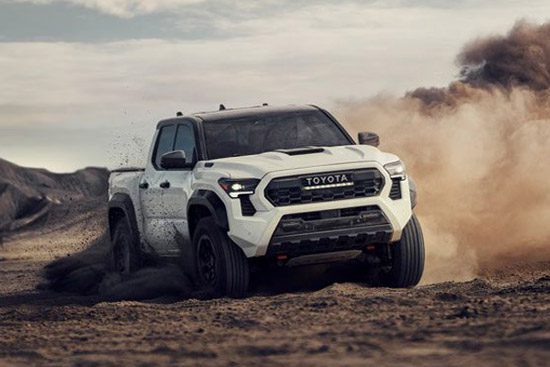
Without a doubt, Japanese brands like Toyota and Honda enjoy an almost “indestructible” myth in the North American market. Because of this, demand for their used cars is exceptionally strong, and their prices remain extremely firm. A typical example is the Toyota Tacoma pickup truck, whose three-year value retention rate often reaches a staggering 70% or more. In contrast, some brands that frequently appear on news recall lists due to electronic system failures or transmission problems lose considerable appeal for their used cars in the market. As a result, sellers have to slash prices significantly in order to offload them quickly, thereby accelerating depreciation.
2. The Law of Market Supply and Demand
Secondly, the basic principle of economics — supply and demand — also coldly governs the pricing of used cars.
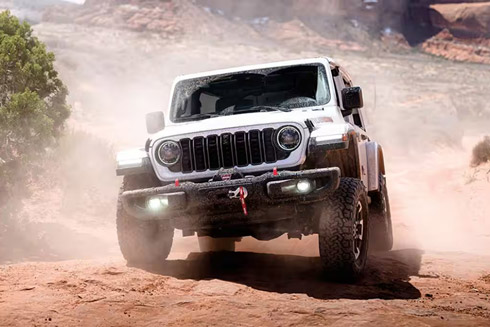
On the one hand, when a model is highly sought after for its outstanding performance or unique design, but the manufacturer’s production capacity is limited, it becomes a “hard currency” in the used car market. For example, certain Porsche GT series sports cars, or models like the Ford Bronco that were in extremely short supply right after its revival, once had second-hand prices that even exceeded those of new cars. More importantly, popular modified car models or off-road vehicles with a huge fan base, such as the Jeep Wrangler, also possess an extremely strong ability to resist depreciation.

On the other hand, when the market is flooded with a large number of off-lease vehicles and corporate fleet cars, the situation is completely the opposite. These cars are often relatively new in model year and low in mileage, but when they pour into the market in batches, they instantly drag down the overall used car market value for that model. This explains why many seemingly nice family sedans or entry-level luxury cars depreciate far more than people expected after three years.
3. Fuel Economy and Holding Costs
Furthermore, a vehicle’s daily running costs, especially fuel consumption, are a key variable affecting its long-term value. It is particularly worth noting that during periods of dramatic oil price fluctuations, the influence of this factor gets magnified immensely.
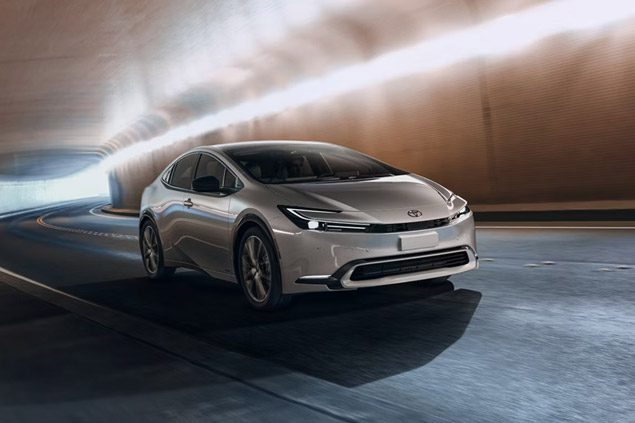
For example, when gasoline prices soar, the used car prices of fuel-efficient hybrid vehicles (such as the Toyota Prius) and small-displacement turbocharged models rise accordingly. Conversely, demand for full-size SUVs and pickup trucks with high fuel consumption temporarily suffers, leading to accelerated depreciation. Likewise, brands with expensive repair and maintenance costs, such as those models that require special tools and computer resets just for an oil change, are also given the cold shoulder in the used market. After all, no clear-minded buyer wants to take over a money pit that is “affordable to buy, but unaffordable to keep.”
4. Technology and the Pace of Model Updates
Next, let’s discuss a factor that is becoming increasingly critical in this era of rapidly advancing technology — the speed of technological iteration.
This is particularly evident in the electric vehicle (EV) sector. Early electric cars, such as the first-generation Nissan Leaf with a range of only just over 100 kilometers, are now worth almost negligible amounts. Why? Because battery technology has developed so fast that the range and charging speed of new models have multiplied several times over. In comparison, the older models have become completely obsolete in terms of practicality. However, this rule is not limited to electric vehicles. If a gasoline car’s mid-cycle refresh upgrades an old infotainment system to a large screen supporting wireless CarPlay, the appeal of the pre-refresh used cars will instantly plummet.
5. Exterior Design and Color Choice
Interestingly, aesthetic judgement, which seems subjective, also has a clear price tag in the used car market.
In general, models with more conservative and classic design styles, such as the Volkswagen Golf or BMW 3 Series, depreciate more slowly because they are less prone to causing aesthetic fatigue. Conversely, some models that adopt radically quirky styling in pursuit of uniqueness often deter used car buyers once the initial novelty wears off. In fact, even color is a factor that affects price. In the mainstream automotive market, popular colors like white, black, gray, and silver are always the first choice for used car buyers. Opting for personalized paintwork such as bright yellow, green, or orange may earn you high turn-back rates on the road, but when selling the car, you are very likely to lose a significant amount of real money due to the narrow audience appeal.
6. New Car Sales Strategy and Brand Discounts
This brings up an issue that many consumers easily overlook — the actual discount on new cars. A car’s value retention rate largely depends on how much “water” is in its new car price.
Imagine if a luxury brand is accustomed to offering huge cash discounts and ultra-low-interest loans to stimulate sales. In that case, the actual transaction price of its new cars is far lower than the manufacturer’s suggested retail price (MSRP). The direct consequence of this practice is that it completely destroys the brand’s used car value system. The reason is simple: when potential buyers know they can get a brand-new car of the same model for about the same money, or by waiting a few more months for a sales promotion, they will never pay a high price for your used car. Precisely because of this, some models from brands like Cadillac and Infiniti, while seemingly offering extremely high cost-performance as new cars, actually depreciate astonishingly fast.
7. Vehicle History and Condition
Last but equally important, no matter how strong the brand or how popular the model, the specific history and condition of the particular car in your hands is the final, crucial step that determines its ultimate selling price.
Any vehicle with an accident record, even if it has been perfectly repaired, will suffer an irreversible reduction in market value. Worse still, if the car has incomplete maintenance records or is found to have had its odometer rolled back, its value will plummet off a cliff. In summary, in the used car market, a transparent and complete maintenance record (such as a Carfax report), paired with an accident-free history, is in itself the most valuable intangible asset.
Conclusion: How to Find a Car That Saves You More Money?
In summary, the depreciation speed of a car is by no means accidental. It is the inevitable result of the combined effects of brand, reliability, supply and demand, operating costs, technology, design, and macro-level market strategies. When buying a car overseas, whether you are targeting a new or a used car, you should take all these factors into consideration.
If you want to minimize depreciation losses, you might want to prioritize brands and models known for their reliability, mainstream design, low ownership costs, and the absence of heavy new-car discounts. Before you press the buy button, spend a few more minutes thinking about what the car will look like three years down the road; this may save you thousands or even tens of thousands of dollars. I hope this article helps you clear your mind and make the smartest financial decision in the complex automotive market.


