- 1. Southeast Asia: Rapid Growth and Rising Middle Class
- 2. Middle East: Strong Appetite for Imports
- 3. Africa: Expanding Opportunities
- 4. Latin America: Diverse and Competitive
- 5. Eastern Europe: Demand for Affordable Alternatives
- 6. Australia and New Zealand: Growing Acceptance
- Emerging Trends in Global Imported Vehicle Markets
- Conclusion
The global automotive industry has become increasingly interconnected, creating strong demand for imported vehicles across multiple regions. From luxury European brands to affordable Asian models, consumers around the world are exploring overseas options to meet their specific needs. In recent years, the rise of chinese cars for sale has further transformed international trade patterns, introducing competitive pricing, advanced technology, and new energy solutions to global markets.
So, what are the best markets for imported vehicles? Let’s explore the regions where demand is strongest and why they stand out.
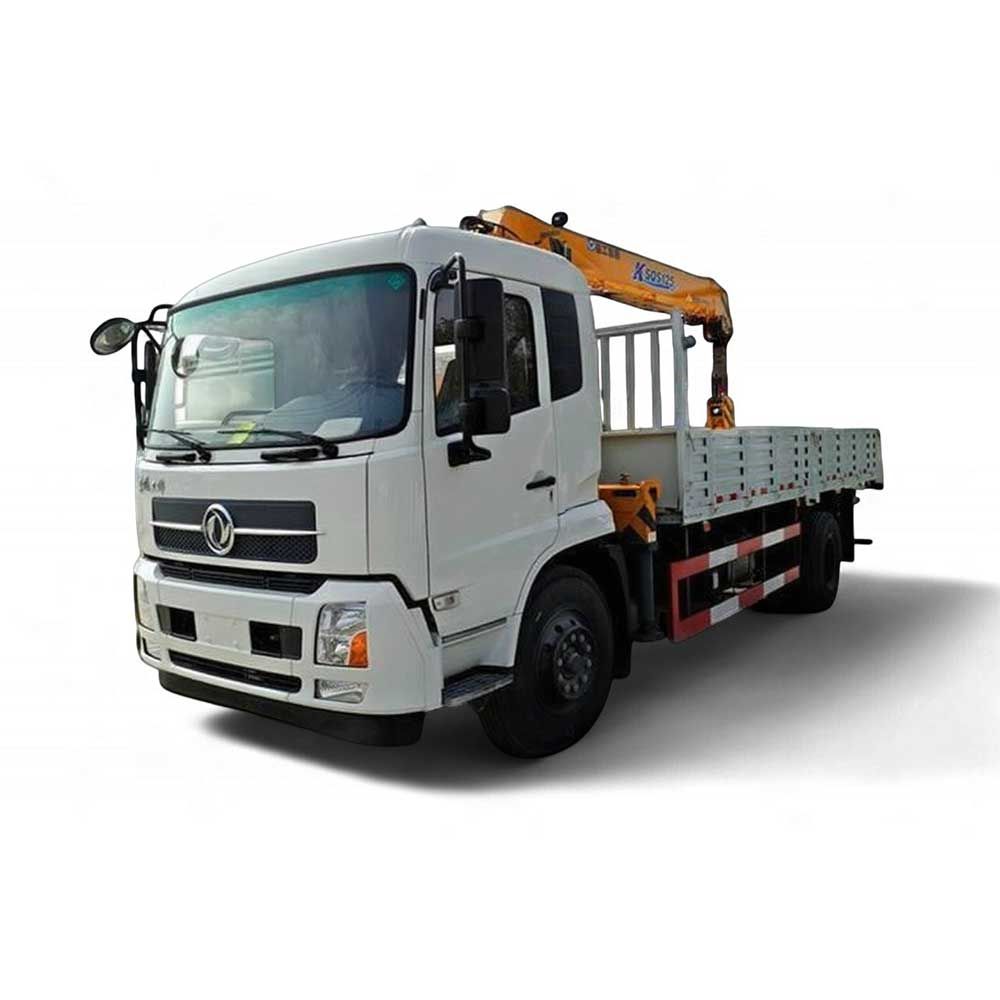
1. Southeast Asia: Rapid Growth and Rising Middle Class
Southeast Asia remains one of the most attractive markets for imported vehicles. Countries such as Thailand, Vietnam, Indonesia, and the Philippines have growing middle-class populations and increasing urbanization rates. Consumers in these regions often seek affordable, fuel-efficient, and feature-rich vehicles.
Japanese and Korean brands have traditionally dominated, but chinese cars for sale are gaining popularity due to competitive pricing and strong value propositions. Electric vehicles (EVs) from China are particularly appealing in cities facing pollution concerns and fuel cost fluctuations.
Key factors driving demand in Southeast Asia include:
Expanding urban infrastructure
Government incentives for EV adoption
Strong demand for compact SUVs and sedans
Price-sensitive but tech-oriented consumers
2. Middle East: Strong Appetite for Imports
The Middle East has long been a high-demand market for imported vehicles. Countries like the United Arab Emirates, Saudi Arabia, and Qatar rely heavily on automotive imports due to limited domestic manufacturing.
Consumers in this region value durability, performance in hot climates, and advanced features. While luxury brands from Europe remain popular, there is increasing interest in affordable alternatives. This shift has opened the door for chinese cars for sale, especially SUVs and electric vehicles offering modern designs and smart technology at competitive prices.
Key market drivers include:
High purchasing power in GCC countries
Growing EV infrastructure
Demand for large SUVs and off-road vehicles
Strong re-export market via Dubai
3. Africa: Expanding Opportunities
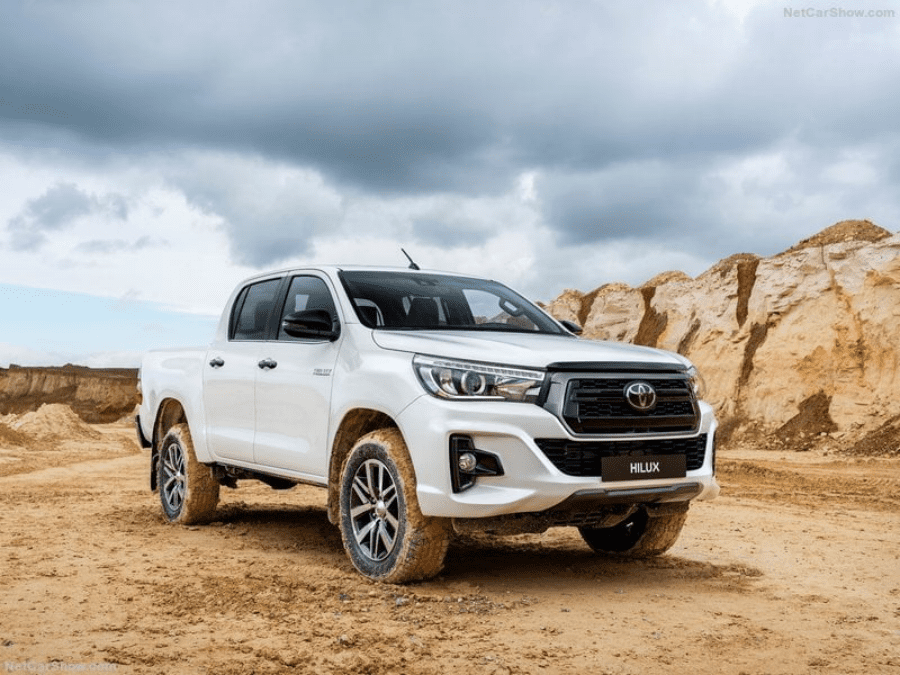
Africa is one of the fastest-growing markets for imported used and new vehicles. Countries such as Nigeria, Kenya, South Africa, and Tanzania depend heavily on imported cars due to limited local production.
Affordability plays a major role in purchasing decisions. Chinese manufacturers have successfully positioned themselves by offering cost-effective vehicles with relatively low maintenance costs. As logistics networks improve, more dealerships are showcasing chinese cars for sale, including compact SUVs, pickup trucks, and electric mini-cars.
Important factors influencing this market:
Growing urban populations
Infrastructure development projects
Rising demand for commercial vehicles
Increasing acceptance of new automotive brands
4. Latin America: Diverse and Competitive
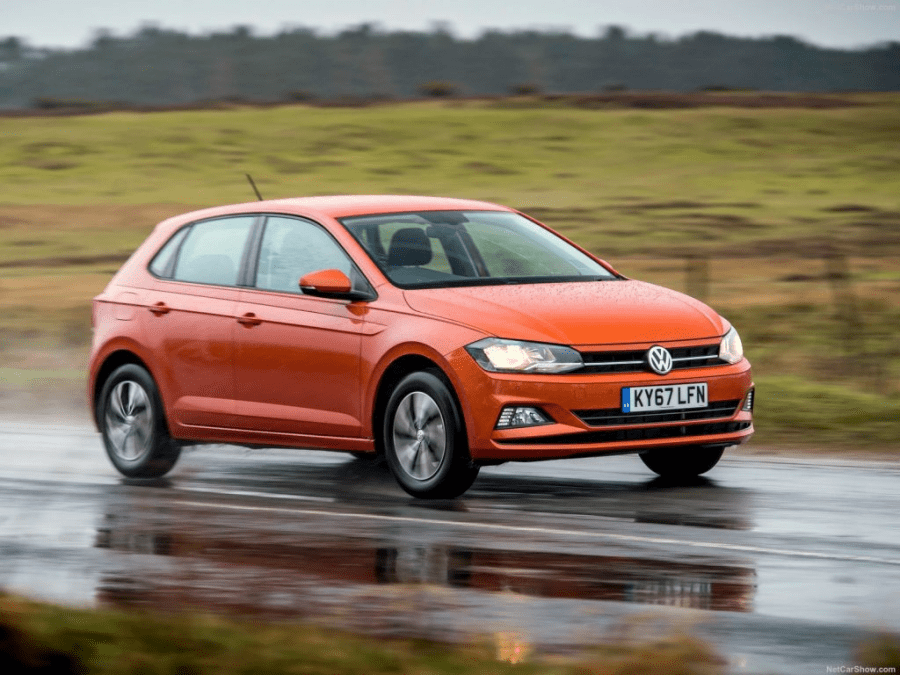
Latin America presents a diverse landscape for imported vehicles. Countries like Chile, Peru, Colombia, and Mexico import a large portion of their automotive supply.
In recent years, Chinese automakers have made significant inroads, especially in Chile and Peru. Competitive pricing, improved safety standards, and extended warranties have helped boost consumer confidence. The availability of chinese cars for sale has expanded across dealerships, particularly in the SUV and electric vehicle segments.
Key drivers include:
Trade agreements reducing import tariffs
Growing interest in hybrid and electric vehicles
Price-conscious consumers
Expanding dealership networks
5. Eastern Europe: Demand for Affordable Alternatives
Eastern European countries such as Poland, Romania, and Hungary have strong demand for imported vehicles, particularly used cars from Western Europe. However, new affordable imports are also gaining attention.
Chinese brands are positioning themselves as budget-friendly alternatives to established European models. With improved quality standards and competitive financing options, chinese cars for sale are increasingly visible in this region, especially in the EV segment as EU emissions regulations tighten.
Factors driving this trend:
EU environmental policies
Growing EV charging infrastructure
Competitive vehicle pricing
Increasing brand awareness
6. Australia and New Zealand: Growing Acceptance
Australia and New Zealand have open automotive markets with minimal import barriers. While Japanese and Korean brands dominate, Chinese vehicles are steadily gaining trust due to improved safety ratings and attractive pricing.
Electric SUVs and compact city cars are particularly appealing in urban areas. As sustainability becomes a priority, dealerships are expanding their inventory of chinese cars for sale, especially electric and hybrid models.
Emerging Trends in Global Imported Vehicle Markets
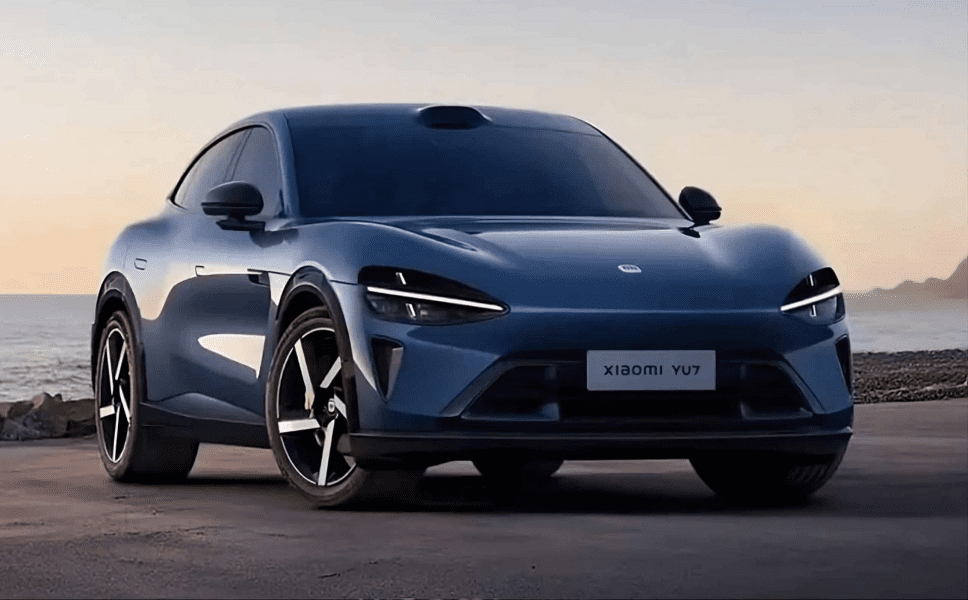
Several trends are shaping the best markets for imported vehicles:
Electrification: Many governments are encouraging EV adoption through tax incentives.
Digital Retailing: Online vehicle purchasing platforms are expanding global reach.
Price Sensitivity: Consumers are increasingly comparing value and features rather than focusing solely on brand heritage.
Supply Chain Diversification: Importers are sourcing vehicles from multiple countries to reduce risk.
Chinese automakers have leveraged these trends effectively by offering competitive pricing, advanced infotainment systems, long warranties, and growing EV lineups.
Conclusion
The best markets for imported vehicles are those experiencing economic growth, urbanization, and rising consumer demand for affordable and innovative mobility solutions. Southeast Asia, the Middle East, Africa, Latin America, Eastern Europe, and Oceania all present strong opportunities.
As competition intensifies, the availability of chinese cars for sale continues to reshape global automotive trade. With strong value propositions, expanding EV offerings, and improving quality standards, Chinese vehicles are becoming key players in the international import market.For dealerships, distributors, and investors, understanding regional preferences and regulatory environments is essential to capitalizing on these growing opportunities in the global imported vehicle industry.