

The 2026 Wrangler returns with a host of upgrades, yet it still holds fast to its authentic, rugged character. If you are considering buying a 2026 Wrangler, you’ve come to the right place. This review will cover everything you need to know — from powertrains and off-road capability to interior technology, global market dynamics, and the truths you won’t hear at the dealership.
In fact, amid ever-intensifying competition in the global SUV market, Jeep is constantly adjusting its strategy. At the same time, the trend toward globalization in the automotive industry is growing ever stronger, and more and more overseas consumers are beginning to pay attention to vehicle choices from different places of origin. Whether it is the increasing transparency of China’s automobile sales information, or Jeep’s differentiated pricing across various markets, today’s car-buying decisions have become more complex than ever.
Let’s dive deep into every facet of the 2026 Jeep Wrangler.
What’s New for 2026?
First, the door hinges have been redesigned, and now removing the doors is quicker and easier. This improvement may seem minor, but it precisely addresses a Wrangler owner’s core desire — the freedom of open-air driving.
Jeep also announced an ambitious special edition plan. The brand will launch one limited-edition model each month throughout 2026, totaling 12 editions for the year. The first release is the Moab 392, which replaces last year’s Rubicon 392 as the new flagship of the V8 lineup.
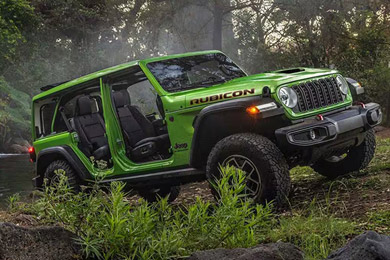
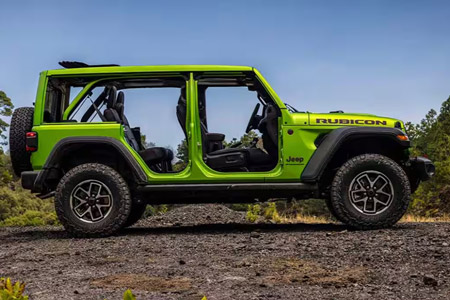
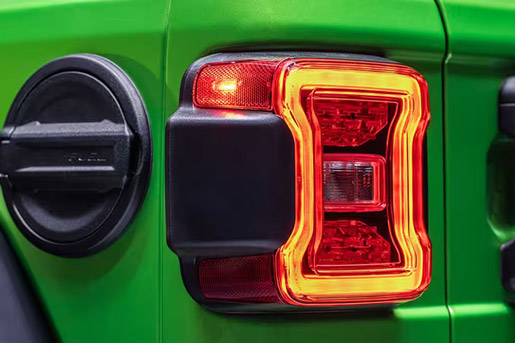
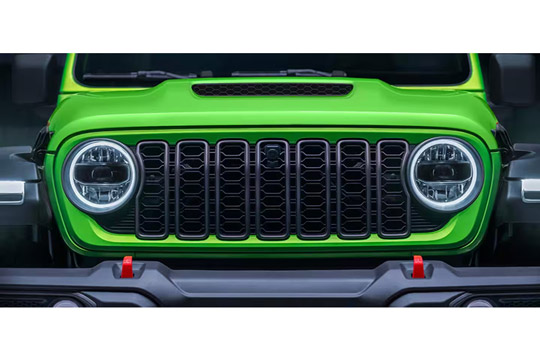
Hot on its heels is the Willys 392. This model packs the 470-horsepower 6.4-liter HEMI V8 engine into the more accessible Willys trim. Additionally, the Rockslide special edition features a blue-themed design, bringing a unique visual style to the Sahara and Rubicon models. An 85th Anniversary Edition also joins the lineup to honor Jeep’s long off-road heritage.
Beyond the special editions, the 2026 model brings some substantive equipment upgrades. A heavy-duty steel front bumper is now standard equipment, whereas it previously cost extra. A remote start system has also been added to the standard equipment list. Inside, tungsten-colored steering wheel stitching replaces the previous red stitching, giving the cabin a more cohesive atmosphere.
Powertrains: Three Engines, Three Personalities
The 2026 Wrangler offers three distinctly different powertrain choices. Each has its own pronounced personality.
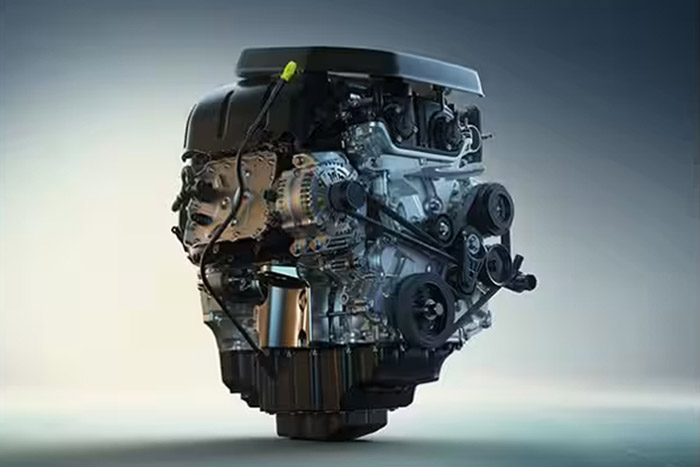
The 3.6-liter Pentastar V6 engine is the classic choice. It produces 285 horsepower and 260 lb-ft of torque, running smoothly with proven reliability. The biggest highlight of this engine is that it is the only powertrain in the 2026 lineup still available with a six-speed manual transmission. For purists, a Wrangler with three pedals is the real Wrangler.
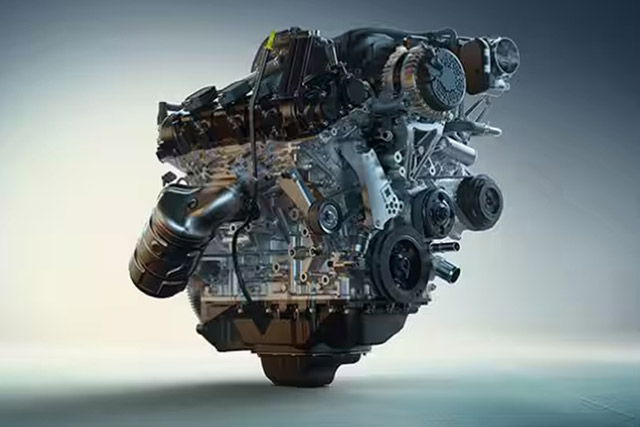
The 2.0-liter turbocharged four-cylinder engine represents the modernized route. It delivers 270 horsepower and 295 lb-ft of torque. Although horsepower is slightly lower than the V6, the torque is more plentiful and feels especially vigorous in the low- to mid-rpm range. This engine is exclusively paired with an eight-speed automatic transmission, but the trade-off is a quieter highway cruising experience and slightly better fuel economy. If you frequently drive at high altitudes, the advantages of the turbocharger become even more apparent.
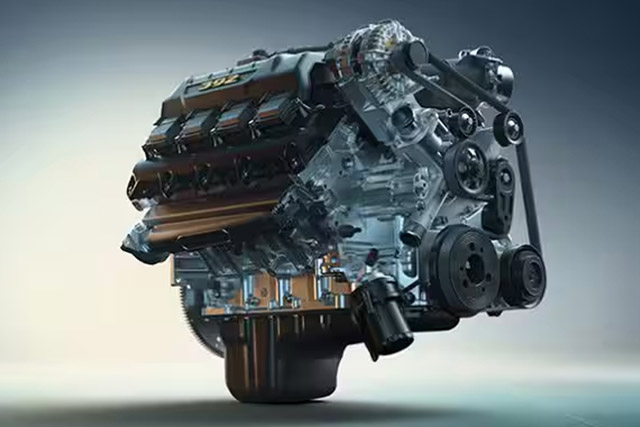
The 6.4-liter HEMI V8 engine is the ultimate choice. Its output figures of 470 horsepower and 470 lb-ft of torque are breathtaking. It also comes with a dual-mode exhaust system, allowing the driver to switch freely between a quiet mode and a more aggressive sound. The Willys 392 starts at approximately $71,990, and the Moab 392 starts at around $81,990. While not cheap, they are significantly less expensive than the previous-generation Rubicon 392. This is the charm of pure American muscle — raw, raucous, and addictive.
In terms of fuel economy, the V6 version returns an EPA combined rating of about 19–20 mpg, the 2.0T version approximately 20–21 mpg, and the V8 version roughly 14–16 mpg. Whichever you choose, no one buys a Wrangler to save on fuel.
Off-Road Capability: This Is the Wrangler’s Home Turf
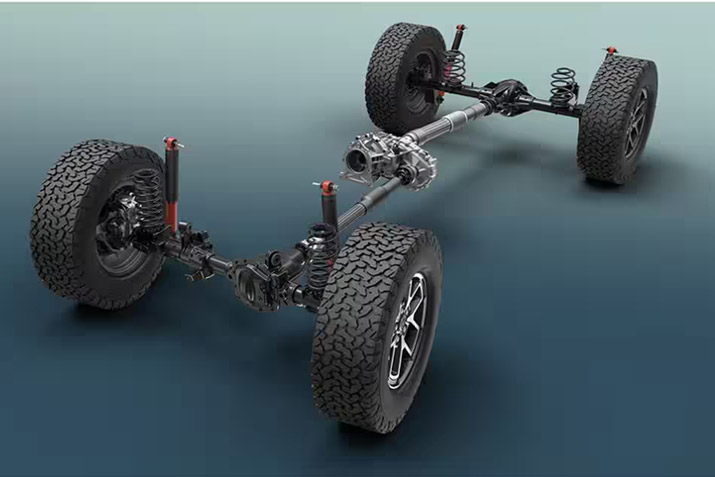
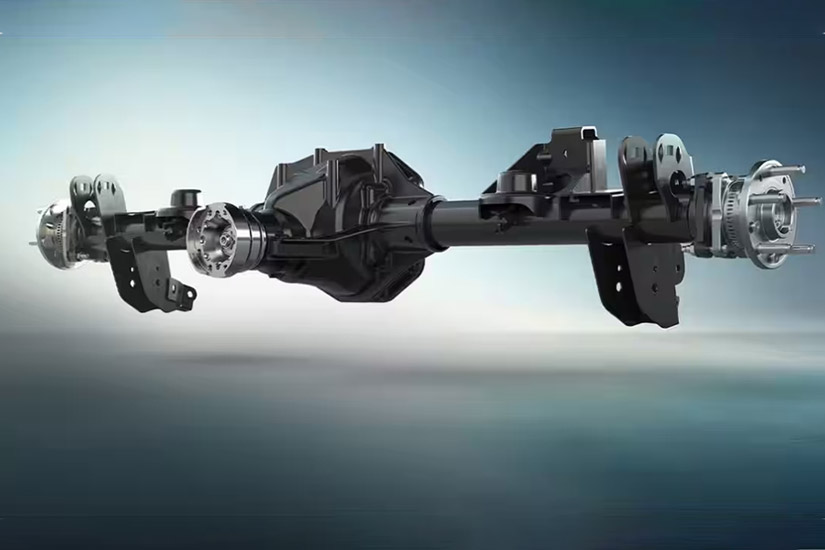
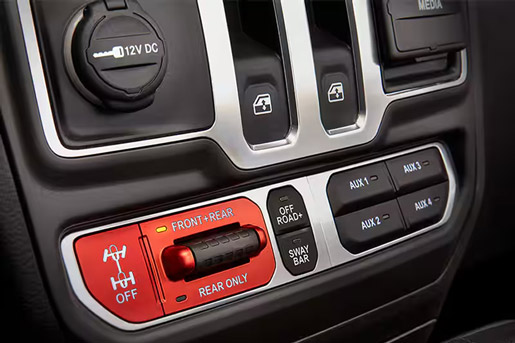
The Rubicon models come equipped with front and rear electronic locking differentials, a push-button activated sway bar disconnect, and Dana solid front and rear axles. The Xtreme 35 Package rolls straight out of the factory on 35-inch BFGoodrich all-terrain tires and 17-inch beadlock-capable wheels, delivering 11.1 inches of ground clearance. On the Rubicon, you also get a heavy-duty full-floating rear axle and an available WARN winch.
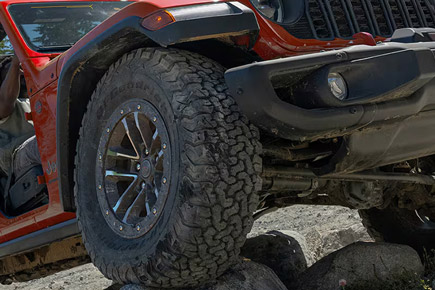
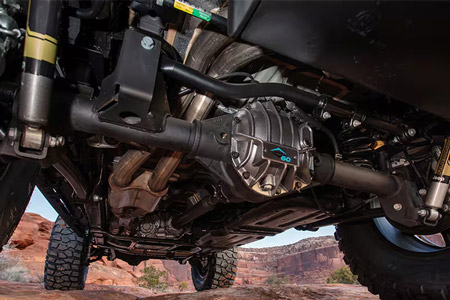
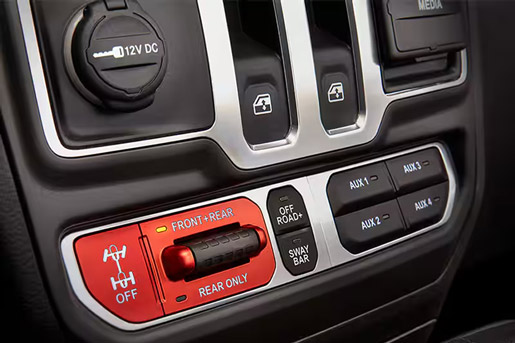
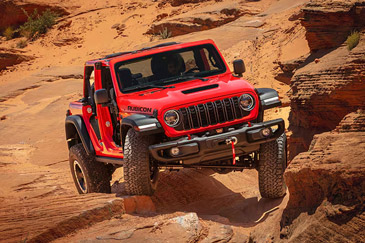
The Rock-Trac four-wheel-drive system offers a two-speed transfer case, and the crawl ratio in low range is deeply impressive. A forward-facing off-road camera (TrailCam) helps the driver precisely judge tire placement when crawling over rocks. These features make the Wrangler a true off-road weapon right off the showroom floor. You need no modifications to drive straight onto the Rubicon Trail.
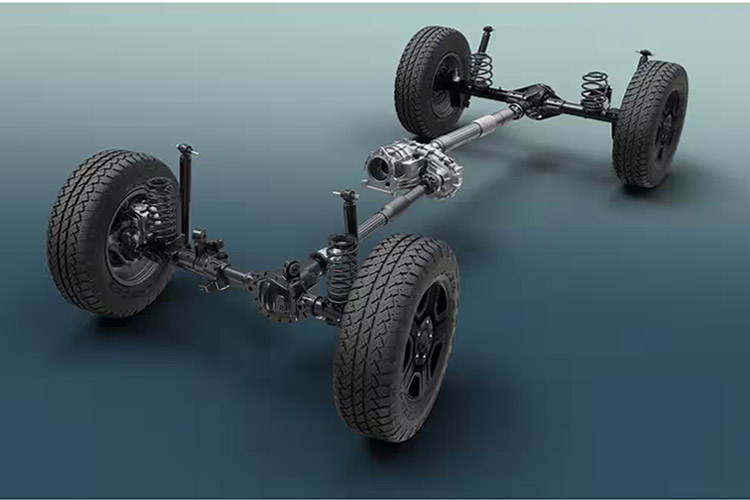
However, on-road driving manners remain an area where the Wrangler must compromise. The steering feels somewhat vague, the body can wander a bit on the highway, and wind noise becomes pronounced above 65 mph. This is the trade-off you must accept when choosing a Wrangler — it is built for the dirt, and the pavement is merely the route to the trailhead.
Interior and Technology: Pragmatic but Not Spartan
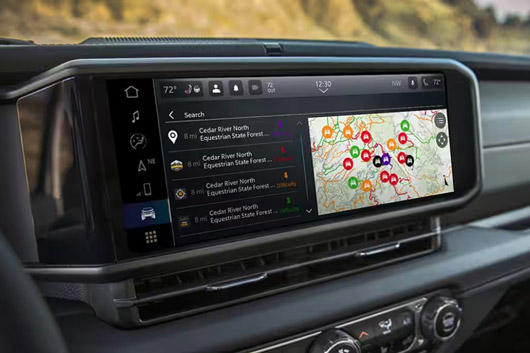
After undergoing a major overhaul in 2024, the Wrangler’s cabin remains stable for 2026. A 12.3-inch Uconnect 5 touchscreen is standard across the entire lineup. The system is responsive, the interface is intuitive, and it supports wireless Apple CarPlay and Android Auto.
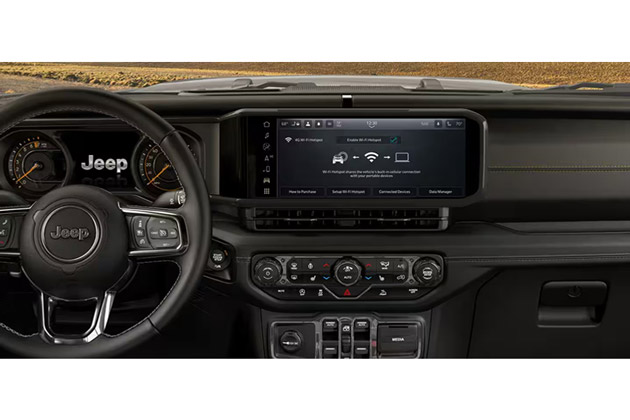
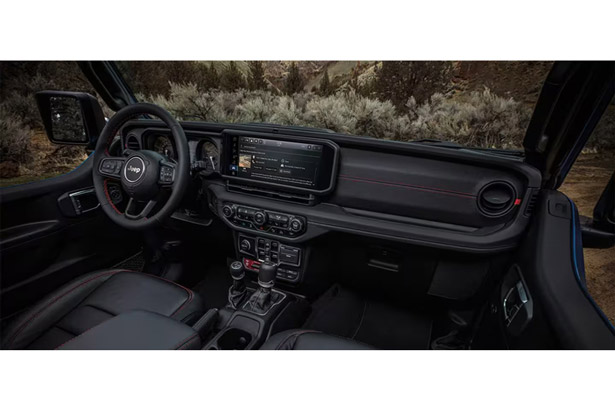
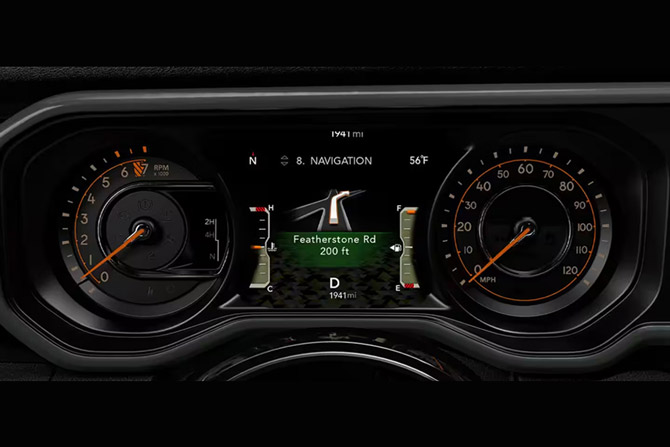
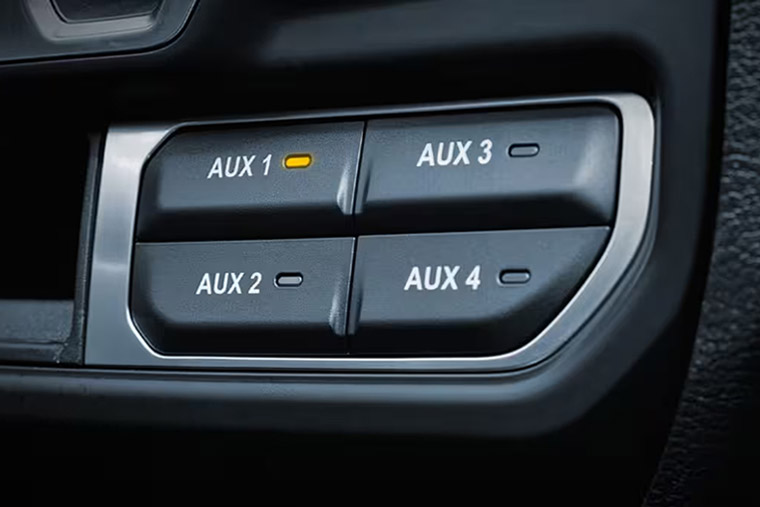
Interior material quality has reached a surprisingly high level, but the design ethos still leans toward functional pragmatism. Physical buttons and control knobs have been retained, which is especially valuable in today’s touchscreen-dominated era — when off-roading, what you need are physical controls you can operate by feel, not layers of menus.
The Wrangler keeps the classic design of removable doors, a removable roof, and a fold-down windshield. The new door hinges for 2026 make door removal even more convenient. This sense of open-air freedom is a unique experience that no other SUV can offer.
Global Markets: One Story, Many Versions
The 2026 Wrangler faces dramatically different circumstances across various markets.
In North America, the Wrangler remains the soul of the Jeep brand. The U.S. market starting price is approximately $36,890 (including destination charges), offering a rich selection from the spartan Sport to the wild Moab 392. Sales in the U.S. last year reached 167,322 units. Although this is a decline from previous years, the Wrangler still commands formidable market appeal.
In Europe, the situation is far more complicated. Because it does not comply with the latest EU GSR2 safety regulations (which require advanced driver assistance systems and cybersecurity protection), the 2026 Wrangler has stopped accepting new orders. Currently, European dealers are only selling off existing inventory, and the model is expected to temporarily exit the market after selling out in the first half of 2026. A Jeep UK executive revealed that the next-generation Wrangler may return to Europe through an electrified route, emulating the successful transformation of the Land Rover Defender.
In Asia, Jeep has adopted strategies tailored to local conditions. The South Korean market introduced the Wrangler Rubicon Trail Hunt Edition, limited to 20 units, equipped with a full suite of Mopar off-road upgrades and priced at approximately 95.7 million Korean won. This limited-edition tactic has effectively ignited the passion of local off-road enthusiasts.
In China, however, the Wrangler’s fate is entirely different. On the official channel front, the GAC Fiat Chrysler joint venture filed for bankruptcy in 2022, eliminating the Wrangler’s path to local production. Currently, the Chinese market can only purchase the Wrangler through parallel import channels. According to information from dealers in Tianjin Port, the final landed cost of a parallel-imported 2026 Willys 392 could far exceed its overseas starting price; the bare vehicle cost upon arrival at the port alone is expected to surpass 600,000 RMB, and the final on-road price could approach 1.3 million RMB.
This is an interesting market phenomenon. As some consumers search for purchasing channels overseas, they find that China’s automobile sales system has become increasingly transparent and standardized. Although parallel import channels are hardly cheap, the procedures have become quite mature. Meanwhile, more and more Chinese domestic auto brands are expanding their businesses globally, selling their products around the world through well-established export systems.
In Australia, the Wrangler lineup has been streamlined to just two versions — the Rubicon two-door and four-door — with a starting price of 81,990 Australian dollars (excluding on-road costs), powered solely by the 2.0-liter turbocharged four-cylinder engine. In markets such as the Middle East and Africa, the Wrangler still maintains strong sales momentum thanks to its unparalleled sand-traversing capability.
Competitor Comparison
The 2026 Wrangler’s most direct competitor is the Ford Bronco. Both offer removable doors and roof panels, both have outstanding off-road ability, and both have loyal fan bases. The Bronco, however, has a slight edge in on-road comfort and steering precision. Yet the Wrangler’s advantage lies in its richer selection of factory off-road equipment — you can drive a Wrangler equipped with 35-inch tires and a winch straight off the showroom floor, whereas similar configurations on the Bronco often require aftermarket modifications.
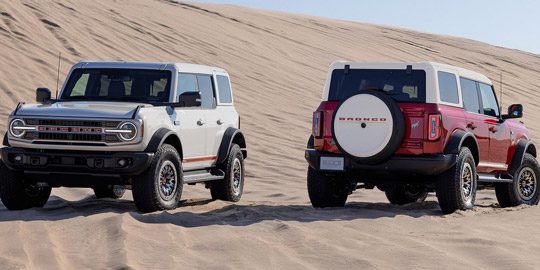
The Land Rover Defender is a more upscale rival. It offers far superior on-road comfort, a more luxurious interior, and more advanced technology features than the Wrangler. But the Defender also comes at a higher price, and while its off-road capability is excellent, it lacks the Wrangler’s pure mechanical feel and open-air freedom.
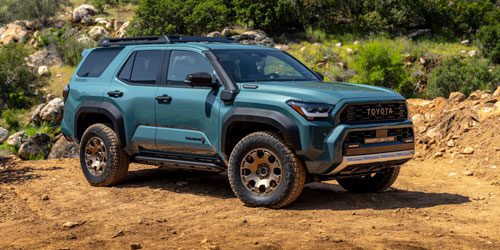
The Toyota Prado/4Runner represents the reliable and durable Japanese approach. They cannot match the Wrangler’s ability to remove doors and the roof, but they excel in long-term reliability and resale value.
Final Verdict
The 2026 Jeep Wrangler is an unvarnished, hardcore off-roader. It hasn’t followed the crowd in chasing electrification, intelligentization, and comfort. Instead, it sticks to the core traits that made it a legend — formidable off-road capability, removable doors and roof, and an incomparable spirit of freedom.
While it stumbles in Europe due to emissions and safety regulations, it remains highly sought after in North America, the Middle East, and Asian markets. Even in China, where purchasing it requires navigating complex parallel import channels, it still commands a group of loyal followers.
Of course, the Wrangler is not for everyone. Its on-road manners are rough, its fuel economy is poor, and the price is far from cheap. But for those who love the outdoors and crave adventure, few other vehicles on the market can deliver the same experience.


