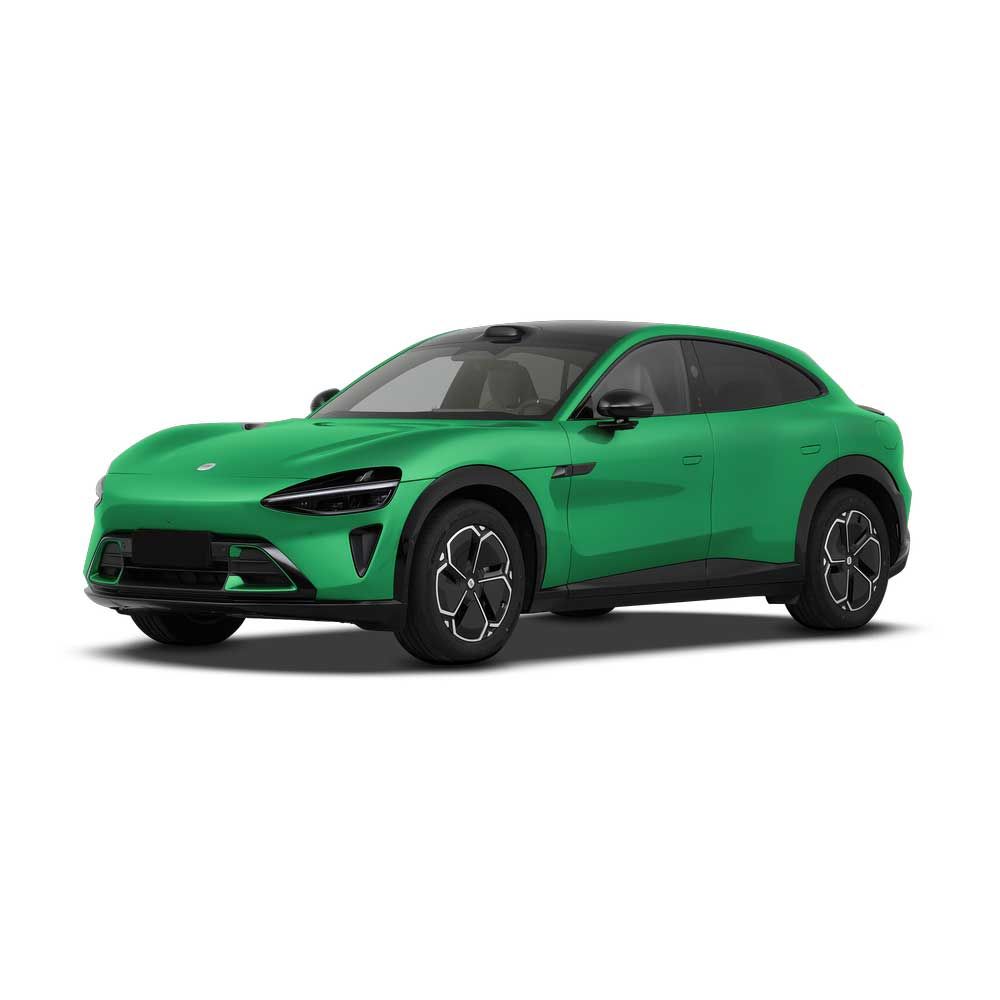
As electric vehicles (EVs) transition from an emerging trend to a mainstream market globally, a practical question arises for many potential buyers: Is purchasing an EV still a wise choice without a home EV charging setup?
There is no one-size-fits-all answer to this question, as it heavily depends on your region, lifestyle, and local charging infrastructure. This article will offer a multi-perspective analysis—from American and European to Asian EV owners—on the pros and cons of relying on public charging networks, helping you weigh the economic and convenience factors. We will explore the growing options for public EV charger availability, compare usage costs across different regions, and examine rapidly evolving market trends, such as the globalization of cost-effective Chinese cars for sale.
Although home EV charging offers unparalleled convenience, it is by no means a mandatory requirement for owning an EV. Let’s clear the air and find the answer that fits your situation.
1. The Importance of Home Charging and Alternatives
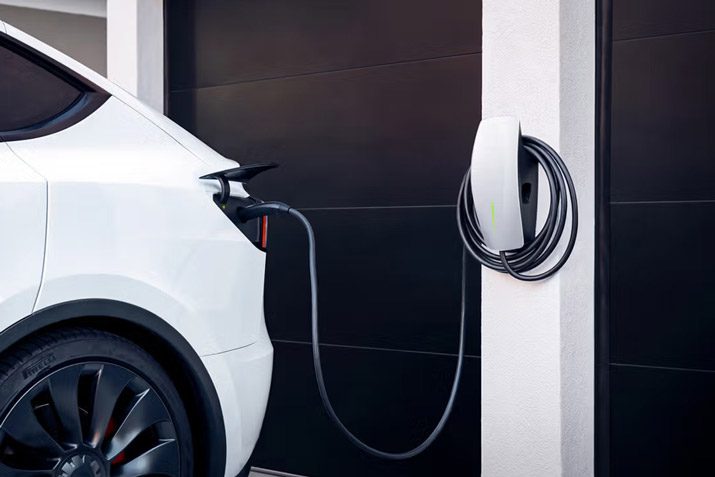
First, home EV charging is undoubtedly the most efficient and convenient approach. It allows you to charge overnight or during idle hours, saving both time and expense. In the United States, for example, installing a home charger may cost between $500 and $2,000, depending on the model and installation complexity. In contrast, without a home charger, you might rely on public facilities—yet this does not necessarily make an EV purchase unworthy.
Moreover, global charging infrastructure is improving rapidly. Many countries and regions have invested in expanding public charging networks, offering diverse EV charger options. In Europe, for instance, Germany and Norway have a high density of public charging stations, with an average cost of around $0.35 per kilowatt-hour. Workplace charging is also becoming more widespread, providing convenience for users without home EV charging access.
2. Charging Experience and Cost Analysis Across Different Regions
From a global perspective, charging availability and costs vary significantly by region. In the United States, without home EV charging, public fast charging typically costs between $0.30 and $0.50 per kilowatt-hour, depending on the state. However, many U.S. cities offer free or subsidized public charging stations, which can lower overall expenses. In contrast, across Asia—where the market for Chinese cars for sale is booming—the EV charger network is extensive, and public charging costs are relatively low, averaging around $0.20 per kilowatt-hour.
On the other hand, the absence of home EV charging can pose challenges in certain areas. In parts of India or Southeast Asia, for example, public charging infrastructure is still developing, and users may need to plan their charging trips carefully. Overall, however, global charging infrastructure is becoming more reliable and efficient with technological advancements.
3. Cost-Effectiveness of EVs Without Home Charging
Now, let’s analyze the cost-effectiveness of purchasing an EV. First, consider the purchase price. In markets where Chinese cars for sale are prominent, EVs such as BYD or Nio start at around $30,000, thanks to government incentives. In the United States, a Tesla Model 3 starts at approximately $40,000, but long-term fuel savings are considerable. Without home EV charging, public charging costs may be higher, yet they generally remain lower than the expenses of operating a traditional fuel-powered vehicle.
Additionally, many EV manufacturers offer free charging promotions. For example, purchasing certain models in the U.S. may include one year of free supercharging. When transitioning to an EV, you should also factor in lower maintenance costs, which can offset potential inconveniences related to charging.
4. Recommendations and Future Outlook for Global Users
In summary, purchasing an EV can still be worthwhile even without home EV charging. The key is to evaluate the charging infrastructure in your area. We recommend researching your local public EV charger network and using mobile apps to plan charging sessions. In European countries like France, for instance, public charging stations are densely distributed, allowing users to easily locate fast-charging points.
At the same time, keep an eye on trends related to Chinese cars for sale, as Chinese brands are entering the global market with high cost-performance ratios. In the future, as charging technology improves and infrastructure expands, home EV charging may become less of a necessity. Therefore, if environmental sustainability and long-term savings are priorities for you, an EV remains a smart choice.
Finally, whatever you decide, remember: the EV revolution is accelerating worldwide. With thoughtful planning, you can enjoy the benefits of green mobility even without home EV charging. Feel free to share your experiences or ask questions in the comments!