

Electric vehicles (EVs) have become increasingly popular worldwide due to their lower operating costs, environmental benefits, and advancing battery technology. However, one of the most common concerns among potential buyers is battery degradation and its impact on driving range over time. If you’re considering purchasing an EV, you may wonder: How much range of an electric car will you lose after 5 years?
The good news is that modern electric vehicles are designed with long-lasting battery systems, and range loss is often much lower than many people expect. In this article, we’ll explore how EV batteries age, what factors affect range degradation, and what you can realistically expect after five years of ownership.
Understanding EV Battery Degradation
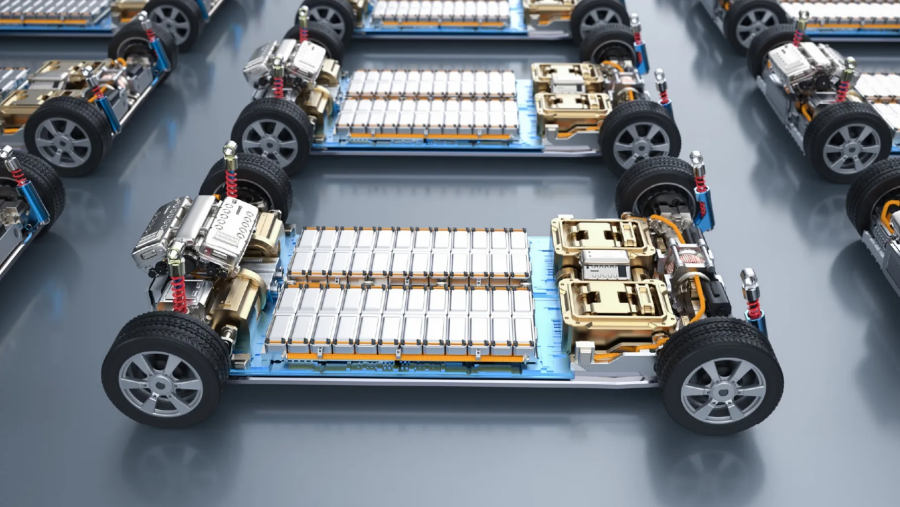
Unlike traditional gasoline vehicles, electric cars rely on lithium-ion batteries to store and deliver energy. Over time, these batteries naturally lose some of their capacity due to repeated charging and discharging cycles. This process is known as battery degradation.
Battery degradation does not mean the battery suddenly stops working. Instead, it gradually holds less energy, which results in a reduced driving range. For example, if a new electric vehicle offers 400 kilometers (249 miles) of range, a battery that has degraded by 10% may only provide about 360 kilometers (224 miles) under similar driving conditions.
Average Range Loss After 5 Years
Based on industry studies and real-world EV data, most modern electric vehicles lose approximately 5% to 15% of their battery capacity after five years.
Here is a general estimate:
- After 1 year: 1%–3% capacity loss
- After 3 years: 4%–8% capacity loss
- After 5 years: 5%–15% capacity loss
- After 8–10 years: 10%–20% capacity loss
For example:
| Original Range | 5% Loss | 10% Loss | 15% Loss |
| 300 km | 285 km | 270 km | 255 km |
| 400 km | 380 km | 360 km | 340 km |
| 500 km | 475 km | 450 km | 425 km |
As you can see, even after five years, most EVs still retain the majority of their original driving range.
Factors That Affect Battery Degradation
Not all electric vehicles experience the same level of battery wear. Several factors can influence how much range an EV loses over time.
1. Charging Habits
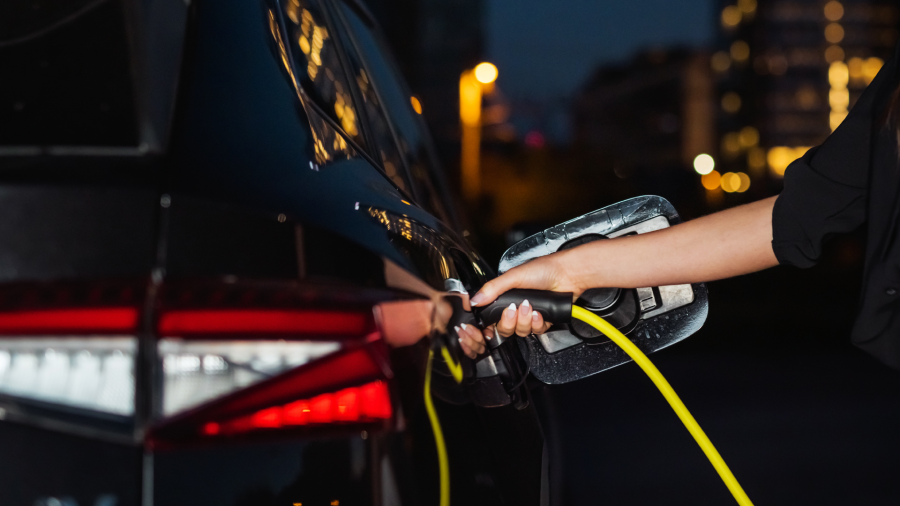
Frequent use of DC fast chargers can accelerate battery degradation compared to slower Level 2 charging. While fast charging is convenient, excessive use generates more heat, which can impact long-term battery health.
2. Climate Conditions
Extreme temperatures can affect battery performance and longevity. Vehicles operated in very hot climates often experience faster degradation than those driven in moderate temperatures. Similarly, extremely cold environments can temporarily reduce range, although this effect is usually reversible.
3. Driving Style

Aggressive acceleration, high-speed driving, and frequent heavy loads can place additional stress on the battery system. Smooth and efficient driving habits help preserve battery health over the years.
4. Battery Management System
Modern EVs include sophisticated Battery Management Systems (BMS) that monitor temperature, charging, and energy usage. Vehicles with advanced BMS technology generally experience slower degradation.
How Modern EVs Compare to Older Models
Early electric vehicles introduced over a decade ago often suffered from faster battery degradation due to less advanced battery chemistry and cooling systems.
Today’s electric vehicles are significantly more durable. Manufacturers such as Tesla, BYD, Hyundai, and other leading brands have invested heavily in battery technology. Many modern batteries are expected to retain over 80% of their original capacity even after 8 to 10 years of use.
This improvement has increased consumer confidence and contributed to the growing demand for EVs worldwide.
What About Chinese Electric Vehicles?
The rapid growth of the Chinese automotive industry has made electric vehicles more affordable and accessible than ever. Many buyers searching for chinese cars for sale are particularly interested in EV models because of their competitive pricing and impressive technology.
Leading Chinese manufacturers such as BYD, NIO, XPeng, Geely, and Zeekr have developed advanced battery systems that compete with global brands. Many of these vehicles use lithium iron phosphate (LFP) batteries, which are known for their excellent durability and long cycle life.
As a result, modern Chinese EVs often demonstrate battery degradation rates comparable to or even better than some traditional international competitors.
For consumers exploring chinese cars for sale, battery longevity should not be a major concern, provided the vehicle is properly maintained and charged according to manufacturer recommendations.
How to Minimize Range Loss
Although some battery degradation is inevitable, there are several steps owners can take to maximize battery life.
Avoid Constant 100% Charging
For daily driving, many manufacturers recommend keeping the battery between 20% and 80% whenever possible. This reduces stress on battery cells.
Limit Frequent Fast Charging
Use DC fast charging when necessary for long trips, but rely primarily on home or workplace charging for routine use.
Park in Moderate Temperatures
Whenever possible, park your EV in a garage or shaded area to reduce exposure to extreme heat.
Keep Software Updated
Manufacturers regularly release software updates that optimize battery management and charging performance.
Drive Efficiently
Smooth acceleration and moderate speeds help reduce battery strain and improve overall efficiency.
Is Battery Replacement Necessary After 5 Years?
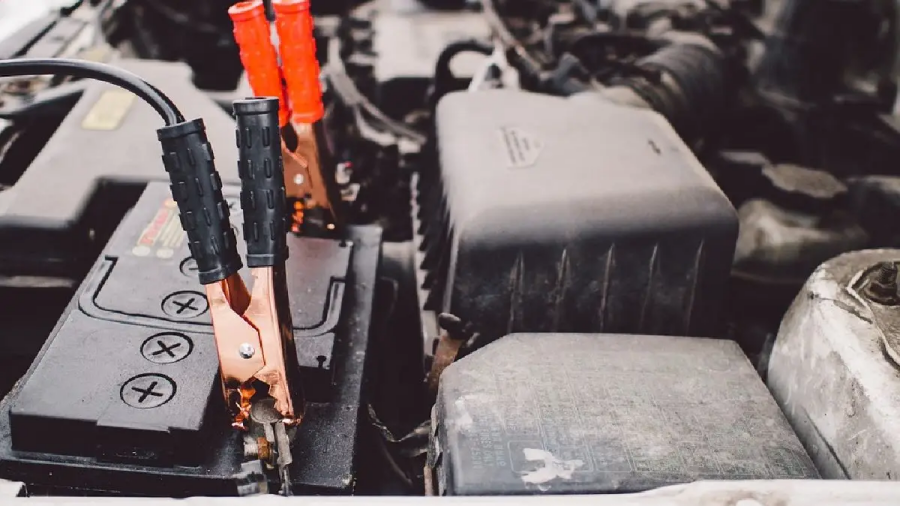
In most cases, no. A well-maintained electric vehicle battery does not require replacement after five years. In fact, many EV batteries continue functioning effectively for 10 years or longer.
Most manufacturers provide battery warranties ranging from 8 years to 10 years or approximately 160,000 kilometers (100,000 miles) or more. These warranties often guarantee that the battery will retain a minimum percentage of its original capacity.
As battery technology continues to improve, replacement is becoming less common and less expensive than many consumers initially feared.
Final Thoughts
So, how much range will an electric car lose after five years? For most modern EVs, the answer is surprisingly modest: typically between 5% and 15% of the original range. Thanks to advances in battery chemistry, thermal management, and charging technology, today’s electric vehicles are more durable than ever.
Whether you’re considering a premium EV or researching chinese cars for sale, battery degradation should be viewed as a manageable and predictable aspect of ownership rather than a major drawback. With proper care and charging habits, an electric vehicle can continue delivering reliable performance for many years while maintaining most of its original driving range.As the EV market continues to evolve, buyers can feel increasingly confident that modern electric cars offer both long-term value and dependable battery life.


