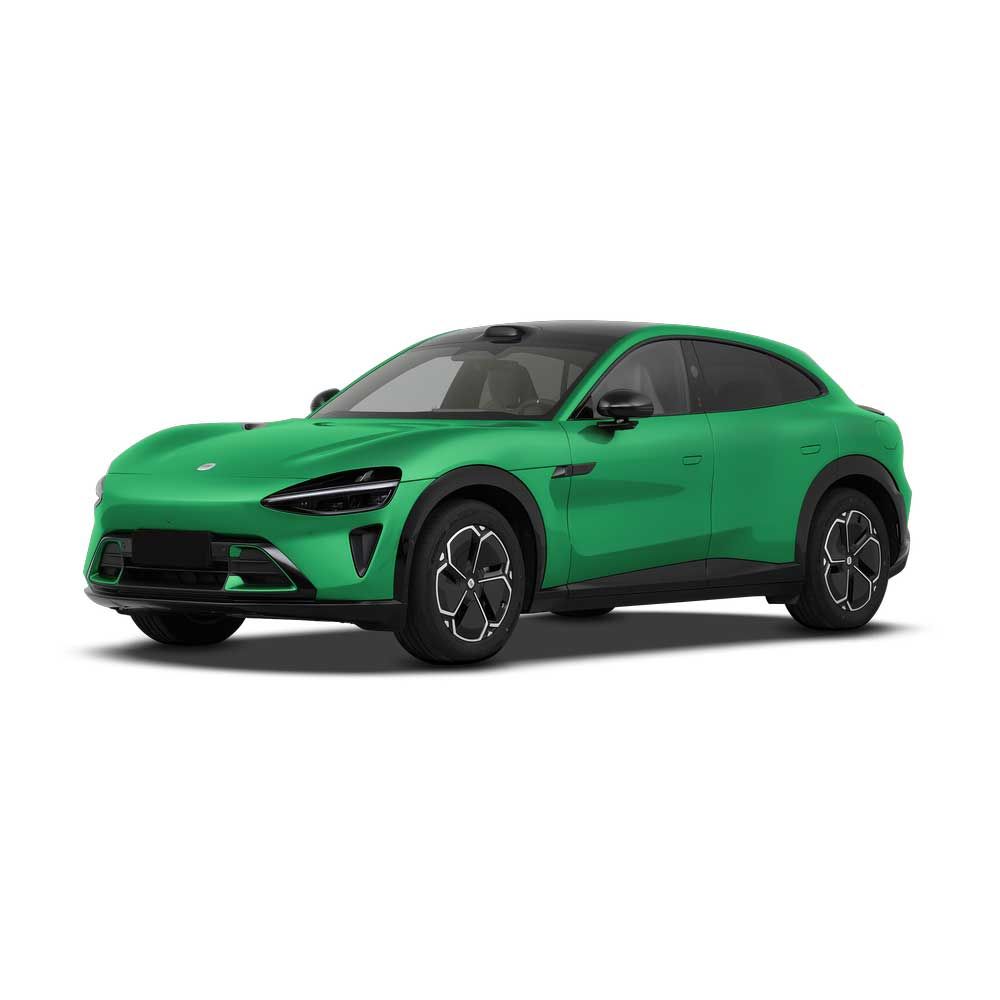
The global automotive market is undergoing a profound transformation. The average transaction price for new cars for sale is nearing $50,000, while the market for used cars for sale is experiencing increased supply and more choices. Faced with such a complex environment, consumers are often confused when choosing between a new or used vehicle.
Whether you are in the United States, Europe, or Asia, the decision to buy a car directly impacts your financial health and quality of life. This article provides a global perspective to help you make the choice that best suits your needs.

01 Market Transformation
The global car market is undergoing structural adjustments, with fundamental changes in pricing and supply dynamics. Prices for new vehicles remain high, while the used car market shows new vitality.
According to the latest market data, the average transaction price for new cars in the United States continues to hover around $50,000. At the same time, the supply of used cars is increasing, primarily because more consumers are finally deciding to trade in their current vehicles.
This shift gives buyers more options and bargaining power. Consumers can now compare multiple examples of the same model and use price differences as leverage in negotiations.
02 Trend Analysis
Three major trends are reshaping the global automotive market in 2026. These trends directly impact the landscape for new cars for sale and used cars for sale, altering the decision-making environment for consumers.
Persistent price pressure has created a clear market split between the “car-rich” and the “car-poor.” High-income consumers still enjoy ample choices and reasonable financing, while average consumers feel significant financial strain.
A significant increase in used car supply is another key trend. More consumers are trading in their used vehicles, boosting the inventory and variety in the used car market. For instance, the average transaction value for a 7-year-old vehicle in 2025 reached $14,400, a 72% increase from $8,400 in 2019.
Electric vehicles are flooding the used car market. Due to a surge in EV leases in 2023, these vehicles are now entering the used car market as leases expire. This provides an excellent entry point for consumers interested in EVs but hesitant about new car prices.
03 Advantage Comparison
In the current market, both new and used cars have distinct advantages and limitations. Understanding these differences is key to making a smart decision.
The primary advantage of buying a new car for sale is control over the vehicle’s condition. You don’t need to worry about its history or hidden issues, and you can select the latest technology and safety features.
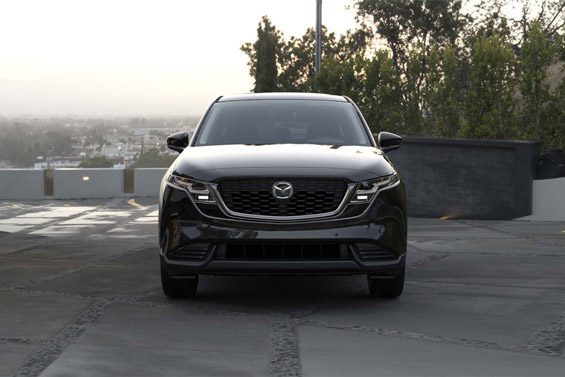
In the U.S., a new model like the 2026 Mazda CX-5 starts at $29,990 (excluding destination), offering the latest tech and safety configurations.
However, a major drawback of buying new is significant depreciation. Popular models can lose 15%-20% of their value in the first year. It’s common for a new car’s price to be “cut by 40%” when resold during the value retention period.
The main appeal of buying a used car for sale is price advantage. You can get your desired model on a smaller budget because the previous owner absorbed the initial depreciation hit. Insurance costs are also typically lower since premiums are based on the vehicle’s residual value.
The primary challenge with a used car is uncertainty about its condition. Each used vehicle has a unique history and may have potential issues with the engine, chassis, etc., requiring more due diligence from the buyer.
04 Decision Factors
Several key factors should be your focus when deciding between new and used. Budget is the foremost decisive factor, directly influencing your range of options.
If your budget is limited, a used car is usually the more viable choice. Especially in the current high-price environment, many consumers who initially planned to buy new are turning to used cars for sale or certified pre-owned vehicles.
Considering your usage scenario and planned ownership period is also crucial. If you plan to keep the vehicle long-term (5+ years), a new car might be more economical. Conversely, if you need a transitional vehicle or like to change cars frequently, a used car may be more suitable.
Technology preference is another important consideration. If you value the latest tech, safety features, and electrification, new cars are clearly more attractive. But if you have a preference for specific traditional models, the used car market may offer more choices.
05 Regional Perspective
Automotive markets in different global regions show distinct characteristics. Understanding these differences is crucial for making decisions that align with local market conditions.
The U.S. market is becoming more premium. Analysts predict the American auto market is moving towards a smaller, more high-end-focused direction. New car sales in 2026 are forecasted at approximately 15.8 million units, a 2.4% decline from 2025.
The Chinese market demonstrates different vitality. It is predicted that China’s auto sales in 2026 could exceed 28.2 million vehicles, achieving a slight 2% growth. New energy vehicle sales (including exports) are expected to reach 20 million, with a domestic market penetration rate of 57%. This growth presents significant opportunities for Chinese cars for sale domestically and internationally.
The European market continues to be a core destination for Chinese new energy vehicle exports and an important growth region for high-value new energy vehicles. ASEAN, South Asia, and the Middle East are also key incremental markets.
06 Practical Strategies
Whether you ultimately choose new or used, adopting smart car-buying strategies can save you a significant amount of money. Adequate preparation before entering the market is key to success.
Defining your budget range is the first step. Beyond the vehicle price, consider insurance, taxes, fuel, and maintenance costs. In the U.S., the share of household income spent on auto financing has more than doubled since the pandemic.
Timing your negotiation is also important. As the supply of used cars increases, pricing pressure is shifting from buyers to dealers. You can leverage this trend by comparing prices between different dealers and using these differences as bargaining chips.
Checking vehicle history (for used cars) is an essential step. Seeking out reliable dealers or platforms that offer certifications and vehicle history reports can significantly reduce purchase risk.
07 Special Considerations
With technological advancement, new energy vehicles have become a special consideration in the car-buying decision. The technical characteristics and market dynamics of these vehicles differ from traditional fuel-powered cars.
EV technology is developing rapidly. Battery energy density continues to increase, costs are gradually decreasing, and driving range is extending. By 2026, new electric car models will offer longer ranges and faster charging speeds.
The availability of charging infrastructure is a key factor to consider. Before purchasing, assess the convenience of charging in the areas you frequent, and choose brands and models with well-covered charging networks.
The increased supply of electric vehicles in the used car market offers new choices for potential buyers. Many off-lease EVs will have relatively low mileage and come at a significant discount compared to new EVs.
For consumers concerned about durability, seeking certified pre-owned electric vehicles is an option. These certified used cars undergo a comprehensive dealer inspection and usually come with an extended warranty.
Core Differences: New Cars vs. Used Cars
| Comparison Dimension | New Car Advantage | Used Car Advantage |
| Initial Cost | Transparent configuration, clear pricing. | Price is significantly lower than a new car. |
| Depreciation Rate | Depreciates 15%-20% in first year; may lose 40% of value during retention period. | Previous owner absorbed the steepest depreciation; future depreciation is slower. |
| Vehicle Condition | Brand new; no need to worry about history. | Condition varies per car; requires careful inspection. |
| Insurance Cost | Based on new car value; higher. | Based on vehicle’s residual value; lower. |
| Technology & Features | Latest technology and safety features. | May lack latest tech, but classic models are available. |
| Ideal For | Those with limited car knowledge, planning long-term ownership, with ample budget. | New drivers, car enthusiasts, those on a limited budget. |
When automakers launch models like the 2026 Chevrolet Tahoe in the U.S. market starting at $62,995, they are targeting specific consumer groups who still prefer large-displacement engines. Meanwhile, Chinese automakers plan to export over 8 million vehicles in 2026, of which 3.5 million will be new energy vehicles, underscoring the global rise of Chinese cars for sale.
The car-buying decision is never purely a financial calculation; it reflects your lifestyle, values, and expectations for the future. In an increasingly bifurcated market, whether you choose a new or used car for sale, sufficient information and smart strategies are the keys to ensuring satisfaction.