

- How Extra Weight Impacts Fuel Economy
- Why Smaller Vehicles Feel the Impact More
- City Driving vs. Highway Driving
- Common Items That Add Unnecessary Weight
- Does Passenger Weight Matter?
- Electric Vehicles and Extra Weight
- Tips to Improve Fuel Economy
- Are Lightweight Cars Better for Fuel Economy?
- Final Thoughts
When drivers want to improve fuel efficiency, they often focus on engine maintenance, tire pressure, or driving habits. However, one overlooked factor can make a noticeable difference: extra weight inside the vehicle. Whether it’s heavy tools, sports equipment, luggage, or unnecessary cargo left in the trunk, carrying additional weight forces a car to work harder and consume more fuel.
This is especially important for buyers searching for practical and efficient vehicles, including those browsing chinese cars for sale in today’s growing global automotive market. Modern Chinese vehicles are becoming increasingly popular because of their affordability, advanced technology, and fuel-efficient designs. Still, even the most efficient car can lose mileage performance if overloaded with unnecessary weight.
How Extra Weight Impacts Fuel Economy

A vehicle’s engine is designed to move a certain amount of mass efficiently. When additional weight is added, the engine requires more energy to accelerate, maintain speed, and climb hills. This increased workload directly translates into higher fuel consumption.
According to automotive studies, every additional 100 pounds carried in a vehicle can reduce fuel economy by approximately 1% to 2%. The exact impact depends on the vehicle type, engine size, and driving conditions. Smaller compact cars tend to be affected more than larger SUVs or trucks because their engines have less reserve power.
For example, if you regularly carry heavy items in your trunk, your fuel costs can slowly increase over time without you even noticing. Drivers who commute daily or travel long distances may see the greatest impact on their monthly fuel expenses.
Why Smaller Vehicles Feel the Impact More
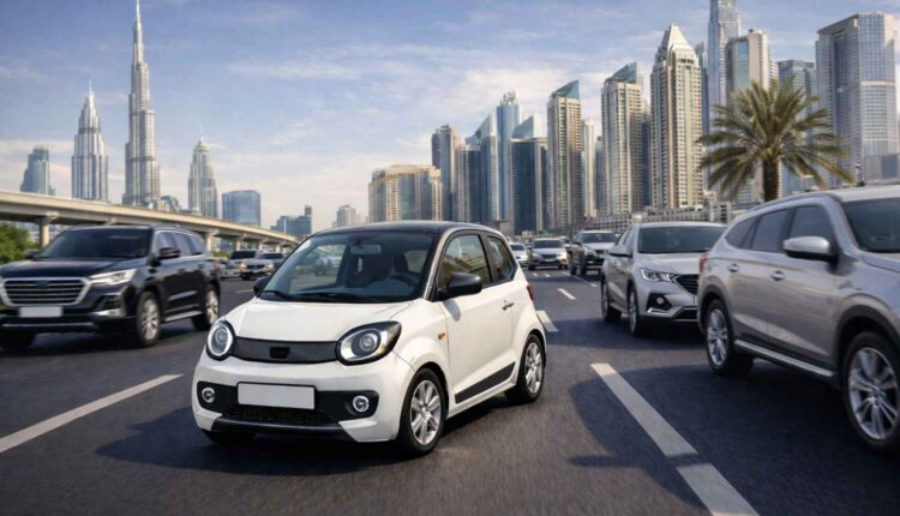
Compact sedans and lightweight crossovers are engineered to maximize fuel efficiency. Because they are lighter by design, any additional load represents a larger percentage increase in total vehicle weight.
Many modern chinese cars for sale fall into this category because manufacturers prioritize efficiency and affordability. Brands such as BYD, Geely, Chery, and MG produce vehicles with lightweight engineering and smaller turbocharged engines to improve fuel economy. While these designs help reduce fuel consumption under normal conditions, carrying excessive cargo can offset some of those advantages.
For instance, adding several heavy suitcases, construction equipment, or rooftop storage can significantly reduce the efficiency benefits these vehicles are built to provide.
City Driving vs. Highway Driving

The effect of extra weight is generally more noticeable during city driving than highway driving. In urban environments, vehicles constantly stop and accelerate at traffic lights and intersections. Every time the car accelerates, the engine must overcome the additional mass.
On highways, fuel economy is influenced more by aerodynamics and wind resistance than by weight alone. However, excessive cargo still increases rolling resistance and engine load, especially on inclines or during overtaking.
Drivers who use roof racks or rooftop cargo boxes should also understand that these accessories create aerodynamic drag, which can reduce fuel economy even further. In many cases, wind resistance has an even larger effect than added weight itself.
Common Items That Add Unnecessary Weight
Many drivers unknowingly carry items that contribute to poor fuel efficiency. Some common examples include:
- Heavy toolboxes
- Sports equipment
- Cases of bottled water
- Unused strollers
- Large subwoofers or sound systems
- Winter supplies left in summer months
- Excessive luggage
- Permanent rooftop carriers
Removing these unnecessary items can provide a small but meaningful improvement in fuel economy over time.
Does Passenger Weight Matter?
Yes, passengers also contribute to the overall vehicle load. A fully occupied car naturally consumes more fuel than a vehicle with only the driver inside. However, this does not mean you should avoid carpooling. Sharing one vehicle among several passengers is still far more fuel-efficient than driving multiple separate cars.
For families or group travelers considering larger SUVs among available chinese cars for sale, choosing a model designed for heavier passenger loads can help maintain better efficiency under normal use.
Electric Vehicles and Extra Weight
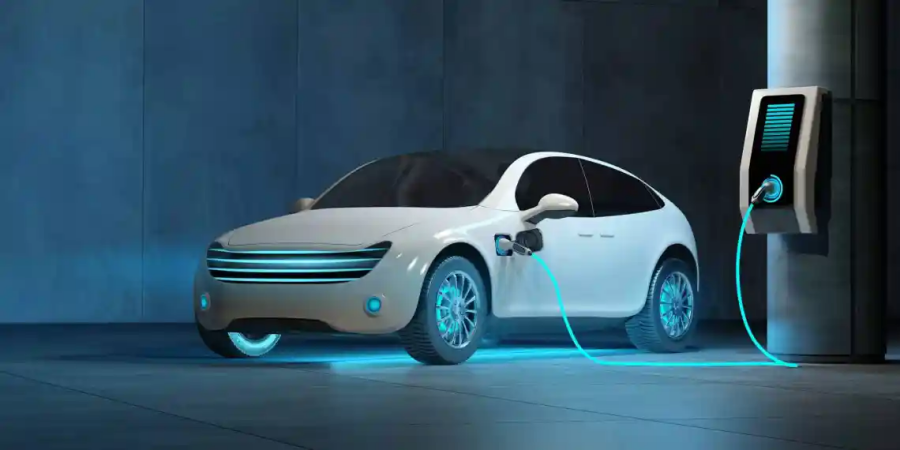
The rise of electric vehicles has brought renewed attention to vehicle weight and efficiency. EV batteries are already heavy, so additional cargo can reduce driving range even faster than it affects gasoline vehicles.
Chinese EV manufacturers such as BYD and NIO are investing heavily in lightweight materials and battery optimization. Even so, carrying unnecessary cargo can decrease range and require more frequent charging stops.
This is particularly important for drivers planning long road trips or daily commutes where maximizing range is a priority.
Tips to Improve Fuel Economy
Reducing unnecessary weight is one of the simplest ways to improve efficiency. Here are several practical strategies drivers can follow:
Clean Out the Trunk
Remove items you do not regularly use. Many people leave heavy objects in their vehicles for months without realizing the fuel cost.
Avoid Permanent Roof Storage
Roof racks and cargo boxes should only be installed when necessary. Removing them improves aerodynamics and reduces drag.
Maintain Proper Tire Pressure
Underinflated tires increase rolling resistance, which becomes even worse when carrying heavy loads.
Drive Smoothly
Aggressive acceleration burns more fuel, especially in a heavily loaded vehicle. Gentle acceleration and steady speeds improve efficiency.
Choose the Right Vehicle
Drivers who regularly transport heavy cargo should select vehicles designed for that purpose. Many modern chinese cars for sale now offer efficient SUVs, hybrids, and electric vehicles that balance cargo capacity with fuel economy.
Are Lightweight Cars Better for Fuel Economy?
In most cases, yes. Lightweight vehicles generally consume less fuel because they require less energy to move. This is why automakers worldwide, including Chinese manufacturers, focus heavily on reducing vehicle weight through improved engineering and materials.
However, there is a balance between lightweight construction and practicality. Vehicles still need enough structural strength for safety, comfort, and durability. Today’s leading Chinese automakers are becoming increasingly competitive by offering cars that achieve both efficiency and modern safety standards.
Final Thoughts
So, does carrying extra weight really affect fuel economy? Absolutely. While the impact may seem small on a single trip, the long-term effect can add up significantly in fuel costs and reduced vehicle efficiency.Whether you drive a gasoline sedan, hybrid crossover, or one of the many modern chinese cars for sale, reducing unnecessary weight is a simple and effective way to save fuel. Combined with proper maintenance and efficient driving habits, keeping your vehicle lighter can help maximize both performance and economy over the long run.


