

Driving to work or getting around every day has become the daily routine of countless car owners all over the world. You may often ask yourself: since I use my car so frequently, exactly how often should I service it? The answer is not set in stone. It depends on your driving habits, road conditions and vehicle technology. But don’t worry — this article will help you sort out a clear timetable. We will take a global perspective and give you an in-depth look at the core of vehicle maintenance. At the same time, we will also talk about how modern cars, especially the outstanding models that China is selling to the world, are making maintenance much simpler.
First, you need to determine which type of driving yours belongs to. Most manufacturers divide maintenance schedules into “normal” and “severe” conditions. If you drive every day, but almost all your trips are short stop-and-go runs of under 5 kilometres, this falls under severe conditions by any global standard. The engine never has enough time to fully warm up, and the oil deteriorates faster. In addition, if you frequently drive in dusty, extremely cold or heavily congested urban environments, the severe schedule also applies. By contrast, if you drive smooth long distances on the motorway every day, that is much closer to normal conditions.
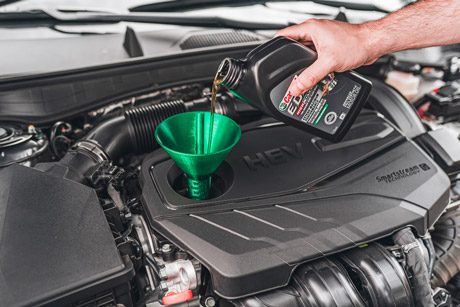
So, what are the specific intervals? The traditional belief is to change the oil every 5,000 kilometres or 3 months. But today, engine and oil technology have made a giant leap forward. Fully synthetic oil has enabled many new cars to achieve oil-change intervals of 10,000 or even 15,000 kilometres. However, you absolutely must not look only at mileage. Time is also a crucial factor. Even if you only drive a few thousand kilometres a year, the additives in the oil will oxidise over time. Therefore, for a car driven every day, I strongly suggest you follow the severe maintenance schedule. Typically, this means changing the oil and oil filter every 5,000 to 8,000 kilometres, or every 6 months, whichever comes first. Be sure to consult your owner’s manual — it contains the most authoritative guide. Many car owners overlook this.
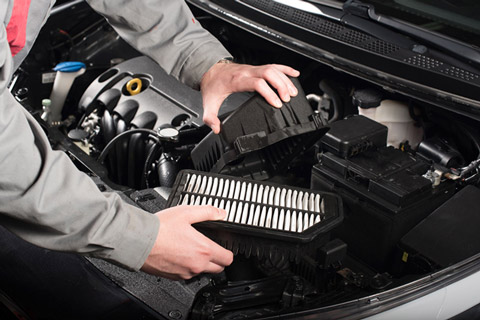
Furthermore, please don’t only keep an eye on the engine oil. Daily high-frequency use also accelerates the wear of other components. Tyre rotation should be done every 8,000 to 10,000 kilometres to ensure even wear. Brake fluid must be replaced every 2 years, because it absorbs moisture and that affects safety. The air filter and the cabin air filter should be inspected and replaced every year or every 20,000 kilometres. If you often drive in stop-and-go traffic, the brake pads and brake discs need to be checked more frequently — for instance, every six months. Together, these maintenance items form the cornerstone of your safe driving.
Here, we can observe an encouraging global trend. China’s automotive manufacturing industry is booming, and more and more international buyers are choosing Chinese cars. These modern Chinese cars, such as new energy and smart SUVs, are widely equipped with advanced maintenance reminder systems. Based on actual driving data, they can intelligently calculate the remaining oil life and maintenance needs. All you need to do is pay attention to the prompts on the dashboard; there is no longer any need to rigidly memorise service intervals. This technology significantly reduces the maintenance anxiety of daily car users. If you are thinking about changing your car, you may want to take a look at our China Auto Sales section to discover maintenance-friendly, technology-packed vehicles.
Next, remember one simple principle: do small maintenance jobs frequently, and stick to the schedule for major maintenance. Small maintenance means changing the oil and oil filter. Major maintenance includes replacing the spark plugs, transmission fluid, coolant and so on. Major maintenance is usually carried out every 40,000, 60,000 or 80,000 kilometres. However, for a car that is driven every day, the time milestone is also very important. For example, if a timing belt is not replaced despite exceeding its age limit, it can lead to catastrophic failure. So you need to create a maintenance calendar that includes both the time and mileage dimensions. Using a phone reminder or a maintenance logbook are both effective methods.
The world’s climates vary enormously from place to place, and this also affects maintenance decisions. In the scorching Middle East, the cooling system bears a heavier burden. In frigid Northern Europe, the battery and starting system require special care. Therefore, there is no single answer that applies everywhere. But the core logic remains the same: frequent, short trips require more diligent maintenance; steady, long-distance driving can allow slightly extended intervals. Since you drive every day, treat your car as a “heavy user”. Give it regular maintenance, and it will repay you with reliability and a long life.
Finally, let me emphasise once again: whether you drive a Japanese car, a European car, or a cost-effective Chinese car, always use the owner’s manual as your reference. Adjust proactively based on your daily driving conditions. Don’t wait until a warning light comes on. Proactive maintenance not only saves money, but also saves lives. Now, go and check your mileage and the date of your last service.


