

- Part 1: Regular Maintenance is the Cornerstone
- Part 2: Driving Habits Directly Impact Lifespan
- Part 3: Special Care for Key Components
- Part 4: Precise Maintenance of Tires and Suspension System
- Part 5: Proper Storage and Seasonal Protection
- Part 6: Technological Upgrades and Modernizing Older Cars
- Part 7: Common Myths and Truths
- Conclusion: Proactive Maintenance is the Core of Extending Lifespan
Do you want your car to accompany you for over 200,000 miles? This goal is entirely achievable. Car owners around the world are proving that with proper maintenance, a vehicle’s lifespan can far exceed expectations. This guide will provide practical strategies from a global perspective. Whether you are in North America, Europe, or Asia, these principles are universally applicable.
Part 1: Regular Maintenance is the Cornerstone
Strictly Follow the Manufacturer’s Maintenance Schedule
Every car comes with a maintenance manual. You need to adhere to it strictly. For example, in Japan, car owners typically change the engine oil every 5,000 kilometers or six months. In Germany, many owners prefer using long-life oil, extending the oil change interval to 10,000 kilometers. The key is: choose a solution that suits your driving environment and climate. By proactively following the schedule, you can avoid most early mechanical failures.
Use High-Quality Fluids and Filters
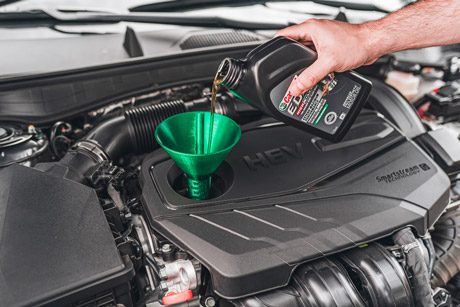
Do not be tempted by cheap options. Low-quality oil accelerates engine wear. In Europe, many car owners favor certified fully synthetic oil. Although a single purchase might cost an extra $30 (using the German market as an example), it saves on major repair costs in the long run. Similarly, oil filters, air filters, and fuel filters should all be chosen from reputable brands.
Part 2: Driving Habits Directly Impact Lifespan
Gentle Starts and Smooth Driving
Hard acceleration and sudden braking are the primary enemies of the engine, transmission, and braking system. In Canada, many experienced car owners share the tip: letting the engine idle for 30 seconds after a cold start before driving significantly reduces wear. By proactively adopting anticipatory driving, you will find that the lifespan of brake pads and tires increases by more than 20%.
Avoid the Cumulative Damage of Short Trips
Frequent short trips (less than 5 miles each time) prevent the engine from reaching full operating temperature. This allows moisture and fuel residues to accumulate in the oil. If you primarily commute in the city, proactively add a longer drive once a month to allow the engine to reach its ideal operating temperature and burn off carbon deposits.
Part 3: Special Care for Key Components
Cooling System: Preventing Engine Overheating
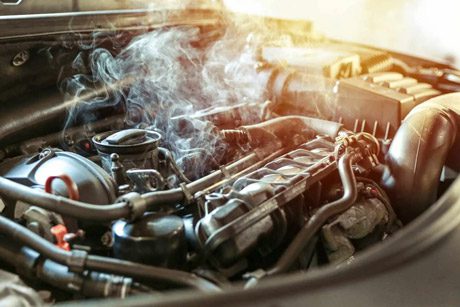
Engine overheating is one of the main causes leading to scrapping. Coolant not only prevents freezing but also corrosion. In Australia, due to the hot climate, car owners typically completely replace the coolant every two years. This simple procedure costs around $80 (based on quotes from repair shops in Sydney, Australia), yet it can prevent thousands of dollars in engine repair costs.
Transmission: The Overlooked Guardian
Most car owners neglect transmission fluid changes. In reality, whether automatic or manual, the fluid should be changed every 40,000 to 60,000 miles. In the United States, a transmission service costs approximately $150–$200 (based on prices at independent repair shops in the Midwest). This investment prevents premature transmission failure.
Rust Prevention for the Body and Chassis
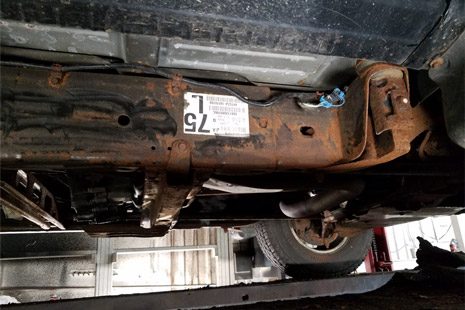
In regions where salt is used on roads in winter (such as Eastern Canada and Nordic countries), rust prevention is crucial. Proactively apply rust-proofing treatment to the chassis and regularly wash the underside of the vehicle. In Europe, many car owners get a professional anti-corrosion treatment every autumn, costing around €120–€180 (using France as an example). This keeps the bodywork solid even after 15 years.
Part 4: Precise Maintenance of Tires and Suspension System
Maintain Correct Tire Pressure
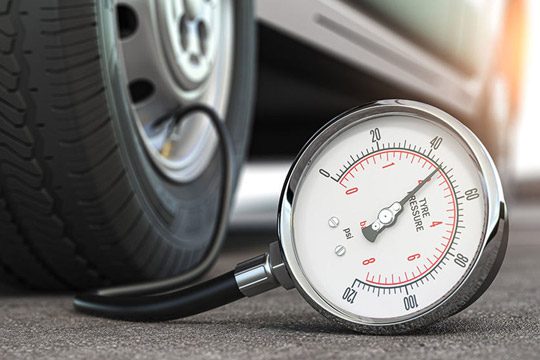
Under-inflated tires increase rolling resistance, leading to abnormal tire wear and higher fuel consumption. You should check tire pressure once a month. In Brazil, due to complex road conditions, car owners even check it weekly. Use a high-quality tire pressure gauge and refer to the standard values on the door pillar.
Regular Wheel Alignment and Balancing
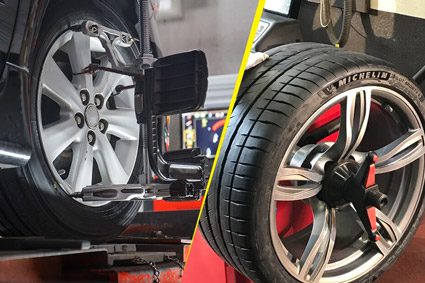
A vibrating steering wheel or a vehicle pulling to one side are alerts from the suspension system. Proactively performing a wheel alignment, costing about $60–$90 each time (using repair shops in the UK as an example), prevents uneven tire wear and premature damage to suspension components.
Part 5: Proper Storage and Seasonal Protection
If you own multiple vehicles or need to store one for an extended period, the storage method directly affects its lifespan.
- Indoor Storage Priority: Parking in a garage protects the paint and rubber seals from UV rays, acid rain, and extreme temperatures.
- Fuel Stabilizer: Before storage, add stabilizer to the fuel tank and run the engine for a few minutes to prevent fuel degradation.
- Battery Maintenance: Use a smart charger to maintain battery charge. In Korea, many car owners use battery insulation blankets in winter to extend battery life.
Part 6: Technological Upgrades and Modernizing Older Cars
Sometimes, reasonable upgrades can indirectly extend a vehicle’s lifespan.
- Install a Dashcam: Provides evidence in case of disputes, preventing improper damage assessment due to unclear accident liability.
- Upgrade the Lighting System: Use high-quality LED bulbs to improve nighttime visibility and reduce accident risk.
- Add Heated Seats and Steering Wheel: In cold regions, these comfort features reduce frequent wear and tear on the interior during winter.
Part 7: Common Myths and Truths
Myth 1: Original Parts Are Always Best
Truth: Many high-quality aftermarket parts are equally reliable and come at a lower price. In North America, the parts market distinguishes between OE (Original Equipment) and OEM (Original Equipment Manufacturer). Choosing reputable OEM parts, for example when replacing brake rotors, can save 40% in cost without sacrificing performance.
Myth 2: Engine Oil Must Be Changed Every 3,000 Miles
Truth: Modern engines and oils have advanced significantly. In most cases, changing the oil with fully synthetic oil every 7,500 miles or once a year is perfectly sufficient. However, adjustments should be made based on your vehicle’s owner’s manual and actual operating conditions.
Myth 3: Minor Oil Leaks Can Be Ignored
Truth: Address minor oil leaks proactively. Replacing a valve cover gasket might cost as little as $50 (using a repair shop in Bangkok, Thailand, as an example), but neglecting it could lead to oil contaminating other components, causing cascading failures.
Conclusion: Proactive Maintenance is the Core of Extending Lifespan
There is no single secret to extending a car’s lifespan. It is a combination of a series of proactive decisions. You need to perform maintenance on time, drive gently, pay attention to details, and make sensible use of the mature car care resources available globally.
From a global perspective, cars are becoming more durable. Simultaneously, as the market for chinese cars for sale expands worldwide, car owners have more cost-effective options when selecting parts and seeking repair solutions. Whether you drive a Japanese sedan, a German wagon, or a Chinese new energy vehicle, meticulous care will allow your car to easily surpass the 200,000-mile mark.


