

The global compact crossover SUV market is witnessing a heavyweight showdown. The 2026 Toyota Corolla Cross and Subaru Crosstrek have both completed their mid-cycle facelifts, renowned for their practicality, reliability, and all-scenario adaptability. For consumers searching for a versatile vehicle, this comparison will directly determine the final order on their purchase list.
Exterior Design: Two Styles, Different Personalities
The Toyota Corolla Cross adopts a more distinct family design language. The 2026 model features new LED lighting units and a honeycomb grille, significantly enhancing the visual width of the front fascia. The Subaru Crosstrek, meanwhile, continues its crossover style, with rugged black cladding and roof rails emphasizing its outdoor-oriented character.
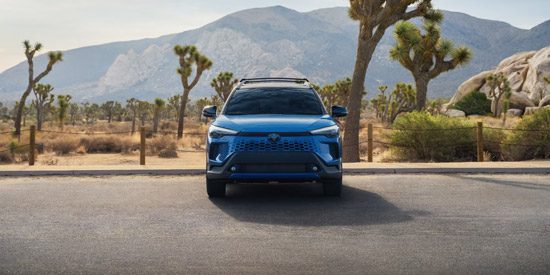
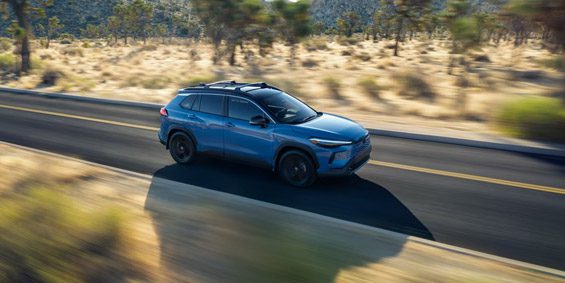
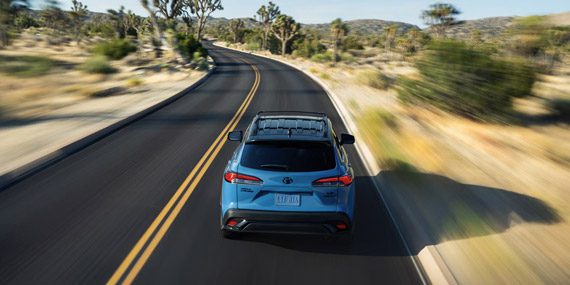
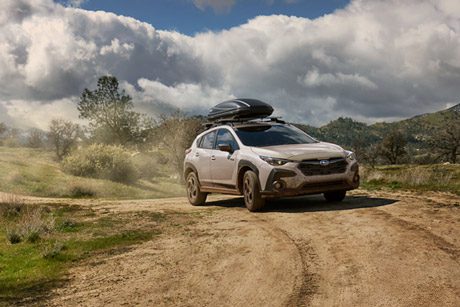
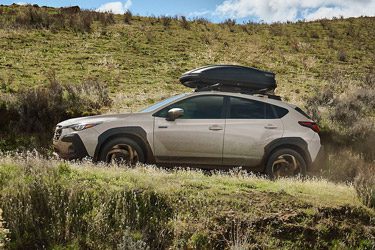
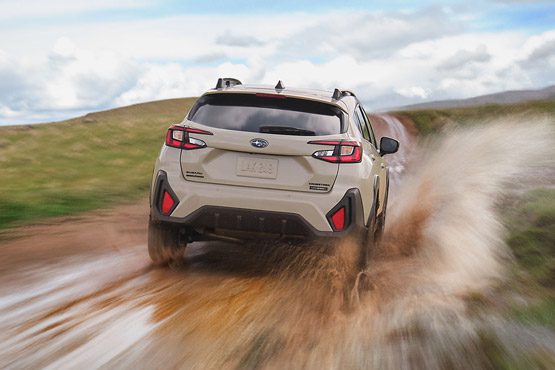
However, stylistic differences do not imply superiority. The Corolla Cross appears more refined in urban settings, while the Crosstrek’s adventurous spirit holds greater appeal for weekend explorers.
Interior and Space: A Fork in the Road for Practicality
The Corolla Cross showcases Toyota’s consistently pragmatic approach. The 2026 model upgrades to an 8-inch floating central touchscreen, while physical buttons retain control over frequently used functions for intuitive operation. The front seats offer excellent support, and rear legroom ranks among the top tier in its class.
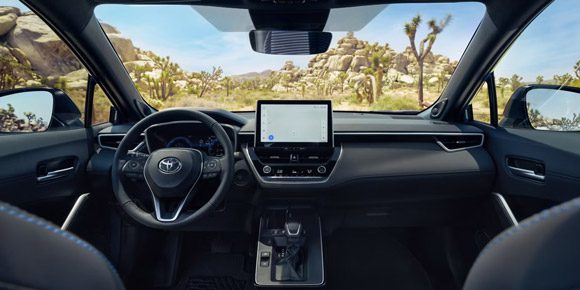
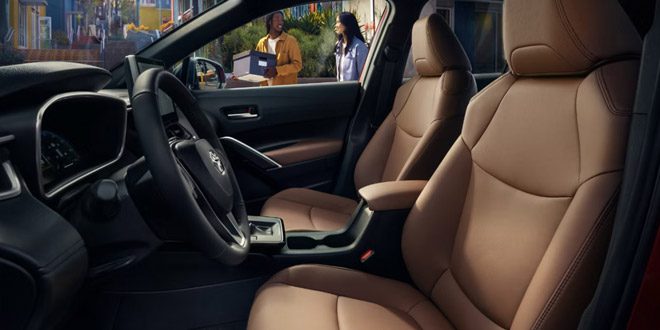

In contrast, the Subaru Crosstrek’s interior places greater emphasis on driver visibility. The dashboard height is lowered, and A-pillar blind spots are further reduced. The seats feature water-repellent fabric, making them well-suited for damp or muddy environments. However, its rear headroom is slightly less generous than that of the Corolla Cross.
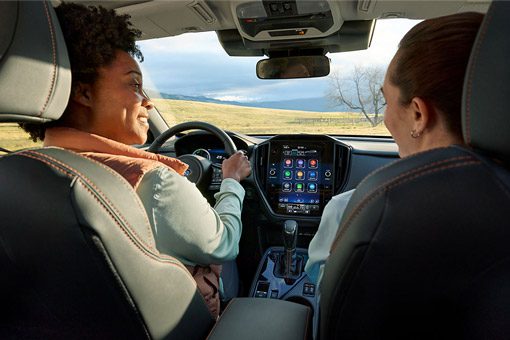
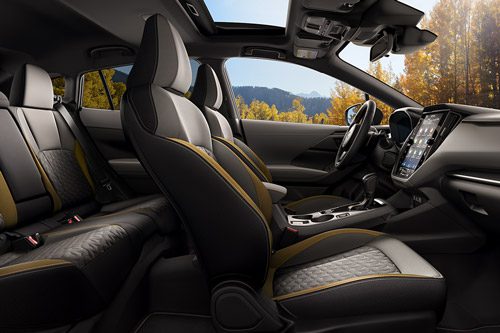
Thus, family users may lean toward the Corolla Cross for its passenger space, while outdoor enthusiasts will appreciate the Crosstrek’s durable interior.
Powertrain and Fuel Economy
The Corolla Cross offers two powertrain options. The base version is equipped with a 2.0-liter naturally aspirated engine producing 169 horsepower, paired with a CVT transmission. The hybrid version delivers a combined output of 196 horsepower and achieves a combined fuel economy rating of 5.6 liters per 100 kilometers from the U.S. Environmental Protection Agency (EPA).
The Subaru Crosstrek comes standard across the lineup with a 2.5-liter horizontally opposed four-cylinder engine producing 182 horsepower. Its core advantage lies in the standard symmetrical all-wheel-drive system, which is included on all trims. The Corolla Cross offers all-wheel drive only on higher trims or hybrid versions.
Specifically, if fuel economy is your top priority, the Corolla Cross hybrid holds a clear advantage. If all-wheel drive is a necessity, the Crosstrek delivers it without requiring additional options.
Off-Road Capability and All-Terrain Performance
The Subaru Crosstrek establishes a clear lead in this category. With 220 millimeters of ground clearance paired with the X-MODE driving system, it handles gravel roads, mud, or snow with composure. Its approach and departure angles are optimized for light off-road use.
Although the all-wheel-drive version of the Corolla Cross features a multi-terrain selection system, its ground clearance is only 205 millimeters, and its suspension tuning is more focused on on-road comfort. For urban commuting and highway cruising, its chassis damping delivers a superior ride compared to the Crosstrek.
In other words, the Crosstrek is a crossover that can take you further off the beaten path, while the Corolla Cross is better suited for scenarios where paved roads dominate.
Safety Features and Driver Assistance
Both vehicles list advanced driver-assistance systems as standard equipment across all trims. Toyota’s TSS 3.0 includes full-speed adaptive cruise control, lane-keeping assist, and a pre-collision system. Subaru’s EyeSight 4.0 offers similar features and adds driver attention monitoring.

In real-world experience, the Corolla Cross’s assistance systems engage more smoothly, making them well-suited for long highway journeys. The Crosstrek’s cameras offer high recognition accuracy, though stability can be slightly weaker under complex lighting conditions.
Pricing and Market Positioning
Pricing for the 2026 models has been announced in the U.S. market. The Toyota Corolla Cross starts at $24,395, with the hybrid version starting at $27,990.
The Subaru Crosstrek starts at $25,845, with the top-tier version priced around $33,000.
Within the global competitive landscape, the scale of Chinese vehicle exports continues to expand, with a large number of compact SUVs featuring high specifications and low pricing entering overseas markets. This directly compresses the pricing room for the Corolla Cross and Crosstrek. Both Toyota and Subaru are enhancing specifications through their annual model updates to address the market pressures brought by Chinese vehicle exports.
Final Conclusion: How to Choose?
By choosing the Corolla Cross, you gain lower fuel costs, more spacious rear seating, and a smoother on-road driving experience. By choosing the Subaru Crosstrek, you acquire the segment’s most capable full-time all-wheel-drive system and more genuine off-road capability.
In summary, this head-to-head matchup has no absolute loser. If your daily commute is primarily city and highway driving, with occasional short trips, the Corolla Cross is the more balanced choice. If you frequently encounter unpaved roads or live in a snowy region, the Crosstrek’s all-terrain capability is harder to replace.


