

Before every long road trip, we need to prepare in advance. This is the prerequisite for ensuring our driving safety during the journey. We need to inspect the vehicle’s core components and have essential emergency tools such as a jack and a spare tire ready. Let’s explore the detailed vehicle preparations required before a long trip together!
Core Components: The Top Priority in Safety Checks
First, focus your attention on the tires. Tires are the only part of the vehicle that touches the road. You must never let worn tires ruin your trip. Check the tire pressure, including the spare tire. Don’t forget to inspect the tread wear indicators. If the tread depth is insufficient, replace the tires immediately. Second, the braking system is equally critical. You need full confidence when driving on winding mountain roads. Listen for any squealing sounds from the brake pads. If you notice any unusual noise, go to a professional repair shop for inspection immediately. Brake fluid also needs to be replaced regularly because it absorbs moisture, which degrades its performance. Safety always comes first.

Fluids and Lights: Maintaining Vitality and Visibility
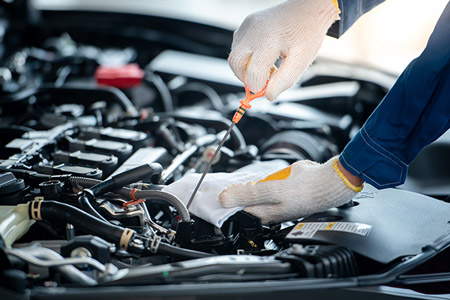
Next, open the hood and check all fluids. Engine oil is the lifeblood of the vehicle. Follow the owner’s manual and change the engine oil and filter before a long trip. Additionally, coolant prevents the engine from overheating or freezing. Check the coolant level and concentration. Windshield washer fluid may seem simple, but on rainy days or muddy roads, a clear view is essential. Top it up. Furthermore, lights are the language you use to communicate with other drivers. Walk around the vehicle yourself and test the low beams, high beams, brake lights, and turn signals. Make sure all bulbs are working properly. Clear visibility and effective communication greatly reduce risks.
Emergency Preparedness: From Tools to Comfort
Even with thorough preparation, accidents can still happen. Therefore, you need a complete set of emergency tools. Keep the jack, lug wrench, warning triangle, and first aid kit within easy reach. In addition, modern automotive technology provides extra protection. Many new models, especially those with advanced connected-car features, boast impressive safety configurations. Many cars are often equipped with intelligent emergency rescue systems and multi-language support. At the same time, don’t overlook personal comfort. Bring a neck pillow, sunglasses, and plenty of water. A comfortable driver is a safe driver.
Moreover, modern navigation is far more than just reading a map. Download offline maps in advance, as you will pass through areas with no signal. Update the map package of your in-car navigation system. Loading luggage is also a skill. Place heavy items low in the vehicle and as close to the center as possible. This helps maintain stability when driving at high speeds or cornering. Remember, do not obstruct your rear view. If you use a roof box, be aware that it increases the vehicle’s height and wind resistance. Adjust your driving style accordingly and pay extra attention when entering underground parking garages.
Final Check and Mindset Adjustment
On the eve of departure, conduct a final walk-around check. Make sure the windows are clean, the mirrors are properly adjusted, and all your documents are complete. This includes your driver’s license, vehicle registration, and insurance policy. More importantly, adjust your mindset. Long-distance driving requires patience. Plan your rest stops. Every two hours of driving, you must stop and rest for fifteen minutes. Never push on when you feel tired.
Conclusion
In conclusion, preparing a vehicle for a long road trip is a systematic project. It integrates mechanical checks, electronic assistance, and personal habits. When you complete these steps, you gain the freedom to explore the world. This peace of mind is unparalleled.


