

Tires are the only contact point between a car and the road. Worn tires can endanger your safety. Therefore, you need to learn how to judge whether tires are worn. This article will introduce several practical inspection methods. At the same time, whether you are considering a new car or a used car, such as a vehicle purchased through a “chinese cars for sale” channel, be sure to check the tire condition first. Let’s get started.
Check tread depth
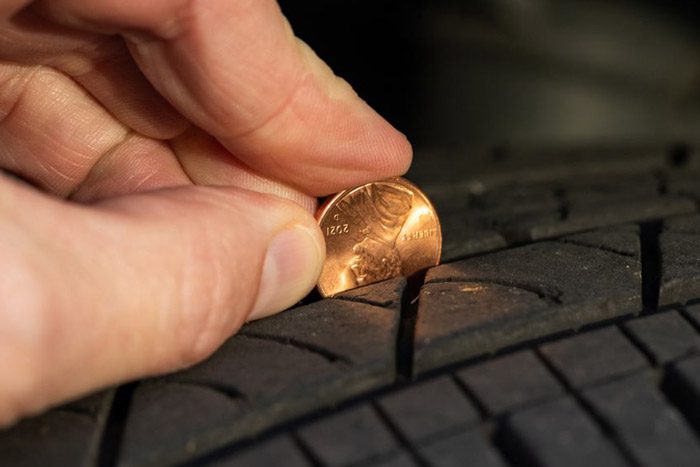
Tire tread must have sufficient depth. Too shallow tread reduces grip. First, you can try the “coin test”. Insert a coin into the tread groove. If you can see the entire pattern of the coin, the tread is too shallow. At this point, you need to replace the tire. Additionally, you can purchase a dedicated tread depth gauge. A depth below 1.6 millimeters is very dangerous.
Look for wear indicators

Most tires have built-in wear indicators. These are small rubber bars across the tread grooves. When the tread wears down to the same level as the indicators, the tire has reached the end of its service life. You can easily see them. Regularly check all grooves. If you find that the indicators are already contacting the road surface, replace the tire immediately.
Observe uneven wear
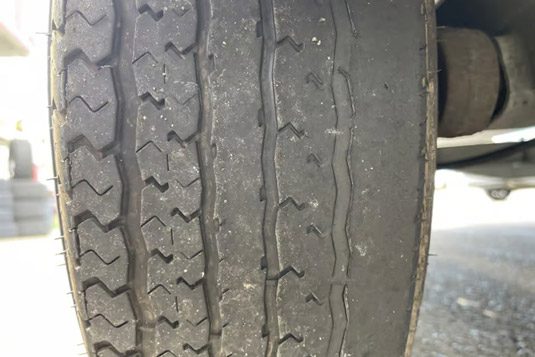
Uneven wear indicates other problems. For example, more severe wear on the inside of the tread may mean incorrect wheel alignment. Excessive wear in the center of the tread is usually caused by overinflation. Rapid wear on both edges of the tread suggests underinflation. You need to run your hand over the tread. Feel for uneven areas. Once you identify a problem, perform a four-wheel alignment or adjust tire pressure in time. This will extend tire life.
Pay attention to vibration and noise while driving
Worn tires can cause abnormal vibration. When driving at high speeds, you may feel the steering wheel shaking. Or hear a persistent “humming” sound. These symptoms mean the internal structure of the tire may have been damaged. Do not ignore them. Stop and inspect as soon as possible. If you see bulges or separation on the tread, replace the tire directly.
Check sidewall cracks and bulges
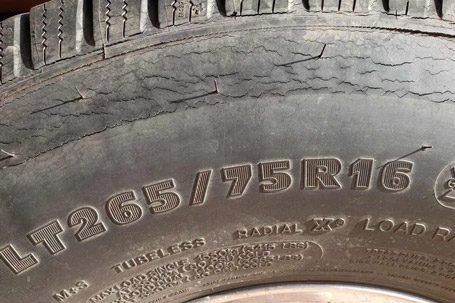
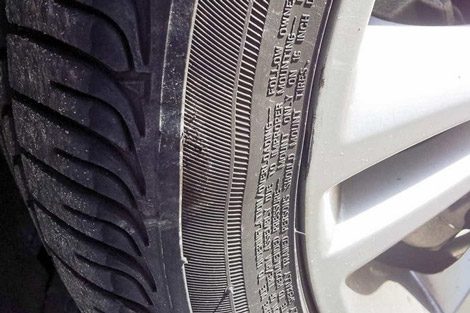
The sidewall is equally important. Aging or damaged sidewalls develop small cracks. Prolonged sun exposure or low tire pressure can cause cracks. Additionally, hitting a curb may produce bulges. A bulge means the cord has broken, which can easily lead to a blowout. You can press the sidewall with your hand. If you find any bumps or cracks, replace the tire immediately.
When must you replace tires?
Do not hesitate when any of the following occurs:
- Tread depth is below 1.6 mm.
- Wear indicators are visible.
- Uneven wear or vibration exists.
- Sidewall cracks or bulges are present.
Remember, tires should be rotated every 10,000 kilometers. Replace them every five years, regardless of the wear level.
Conclusion
Regular tire inspection protects the safety of you and your passengers. Whether you are driving a new car or a used car purchased through a “chinese cars for sale” platform, tire condition cannot be ignored. Taking ten minutes to inspect may prevent an accident. Take action now.


