

As fuel prices fluctuate and electric vehicles become more common, many drivers are choosing electrified cars. But one question still confuses buyers: What is the real difference between hybrid and plug-in hybrid cars in daily use?
While both reduce fuel consumption and emissions, their real-world driving experience can be surprisingly different. This guide explains the practical, everyday differences so you can decide which option fits your lifestyle.
Understanding the Basics
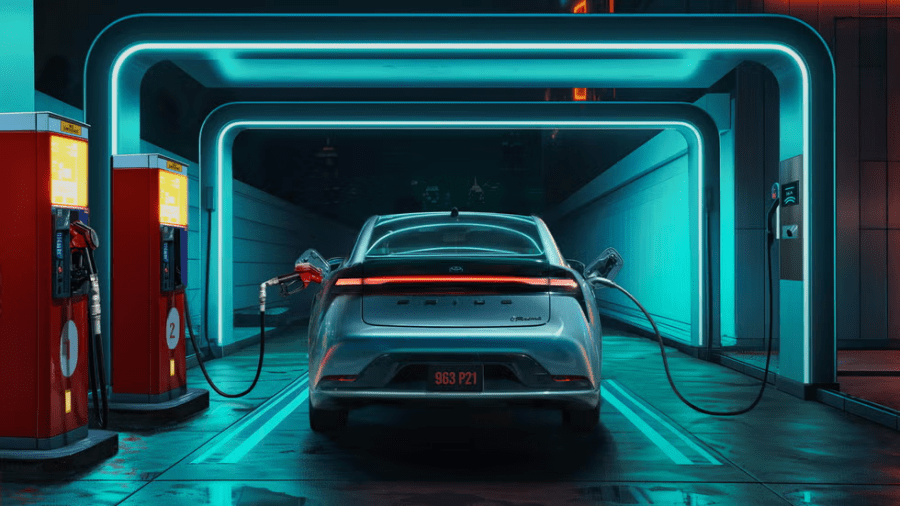
Before comparing daily use, let’s clarify what each type means.
Hybrid Electric Vehicle (HEV)
A hybrid car combines a gasoline engine with a small electric motor and battery. The battery charges automatically through regenerative braking and the engine itself. You never plug it in.
Plug-in Hybrid Electric Vehicle (PHEV)
A plug-in hybrid also uses gasoline and electricity but has a much larger battery. You can charge it from a wall outlet or charging station, allowing it to drive longer distances on electricity alone.
At first glance, they sound similar. In reality, living with them day-to-day feels quite different.
Daily Charging Habits
Hybrid: No Charging Needed
One of the biggest advantages of a traditional hybrid is convenience.
You never need to plug it in.
The car automatically switches between gasoline and electric power. You simply fill up with fuel like a normal car. For many drivers, this is the main appeal.
Daily routine:
Drive → refuel occasionally → repeat
No new habits required.
Plug-in Hybrid: Charging Becomes Routine
A plug-in hybrid introduces a new habit: charging at home or work.
Most PHEVs can drive 30–80 km (20–50 miles) on electricity before the gasoline engine turns on. That means many daily commutes can be done without using fuel at all.
Daily routine:
Plug in overnight
Drive mostly on electricity
Use gasoline for longer trips
If you have home charging, this becomes easy. Without it, a PHEV loses much of its advantage.
Fuel vs Electricity in Real Life
Hybrid Fuel Savings in Daily Driving
Hybrids shine in city driving.
Frequent braking lets the battery recharge, and the electric motor assists the engine.
Typical real-world benefits:
20–35% better fuel economy than gasoline cars
Excellent efficiency in traffic
No range anxiety
You still buy fuel regularly, just less often.
Plug-in Hybrid Fuel Savings in Daily Driving
In everyday commuting, PHEVs can feel almost like electric cars.
If your daily driving fits within the electric range:
You may use almost no gasoline
Charging costs are usually much cheaper than fuel
Short trips become silent and emission-free
However, once the battery is empty, the car behaves like a heavier hybrid and fuel economy drops.
Driving Experience
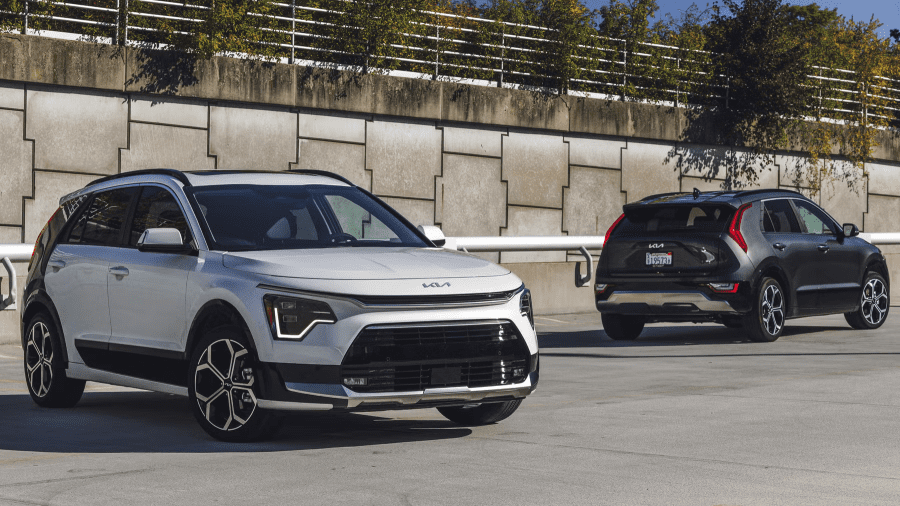
Hybrid Driving Feel
Driving a hybrid feels familiar and seamless.
You might notice:
Quiet starts in electric mode
Smooth transitions between engine and motor
No need to think about power modes
It’s a “set it and forget it” experience.
Plug-in Hybrid Driving Feel
A plug-in hybrid offers two driving personalities.
In electric mode:
Quiet, smooth, EV-like driving
Instant torque
No fuel consumption
On long trips:
Gas engine activates
Slightly heavier vehicle due to bigger battery
Performance may feel less efficient than a regular hybrid
Many drivers love having both experiences in one car.
Cost in Everyday Ownership
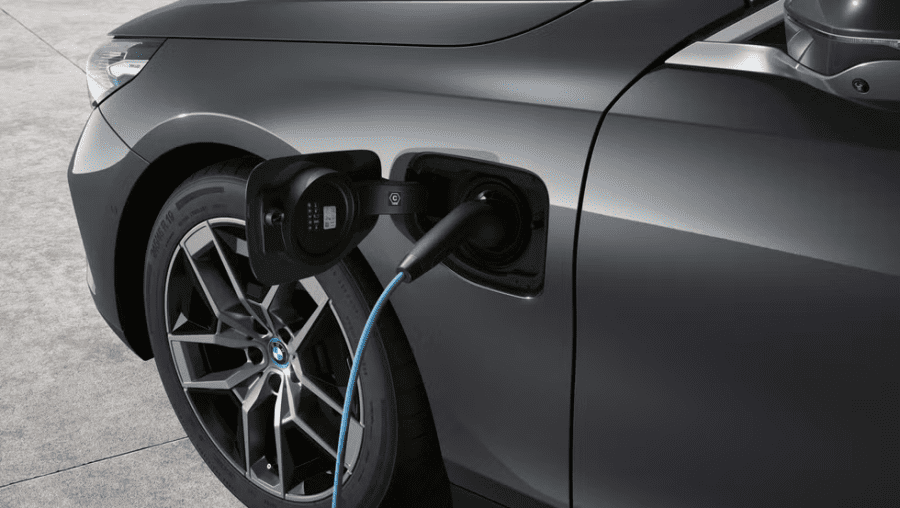
Purchase Price
Hybrid cars are usually cheaper upfront.
Plug-in hybrids cost more due to larger batteries and charging technology.
Running Costs
Daily costs depend heavily on your charging habits.
Hybrid:
Lower fuel use than gas cars
No charging expenses
Plug-in Hybrid:
Very low daily cost if charged regularly
Electricity is often far cheaper than fuel
Can be expensive if rarely charged
In real life, a PHEV is most cost-effective only if you plug it in frequently.
Maintenance and Convenience
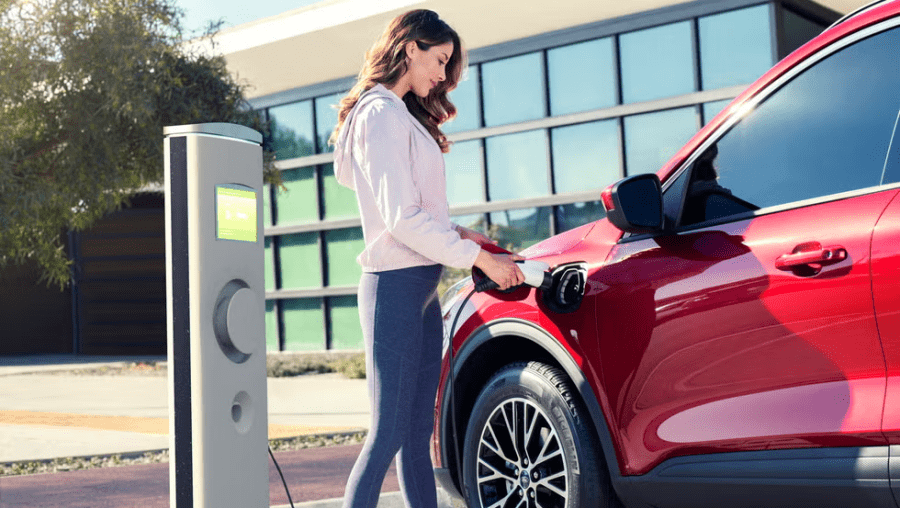
Both types have similar maintenance needs, but daily convenience differs.
Hybrid advantages:
No need for charging infrastructure
Ideal for apartment living
Perfect for drivers who want simplicity
Plug-in hybrid advantages:
Ability to drive electric daily
Flexibility for long road trips
Potential access to EV incentives or parking benefits
Your living situation plays a huge role in which feels easier.
Which Is Better for Your Daily Life?
Choose a Hybrid if:
You cannot easily charge at home or work
You want maximum convenience
You drive long distances regularly
You prefer a simple transition from gasoline cars
Choose a Plug-in Hybrid if:
You can charge every day
Your commute is short or moderate
You want electric driving without range anxiety
You want to reduce fuel use dramatically
Final Thoughts
The real difference between hybrid and plug-in hybrid cars comes down to daily habits.
A hybrid is effortless and efficient without changing your lifestyle.
A plug-in hybrid rewards drivers who are willing to plug in regularly with near-electric daily driving and much lower fuel costs.
There’s no universal “better” choice—only the one that matches how you live and drive.If your routine supports charging, a plug-in hybrid can feel like the best of both worlds. If not, a traditional hybrid remains one of the smartest and easiest ways to save fuel today.


