

Against the backdrop of fluctuating global oil prices, car owners in the United States, Germany, Japan, and beyond are seeking effective ways to reduce fuel costs. At the same time, improving driving efficiency helps minimize environmental impact. This article introduces a series of universally applicable practical tips to help you save fuel and enhance driving efficiency. Additionally, if you are considering upgrading your vehicle, it’s worth exploring the value-for-market of Chinese cars for sale, as many new models excel in fuel economy.
1. Smooth Driving Habits
First, avoiding rapid acceleration and hard braking is key to saving fuel. Smooth driving can reduce fuel consumption by up to 20%. For instance, on Germany’s autobahns, using cruise control to maintain a steady speed is recommended. Moreover, anticipating traffic flow and slowing down early instead of braking sharply can significantly improve efficiency.
2. Regular Vehicle Maintenance
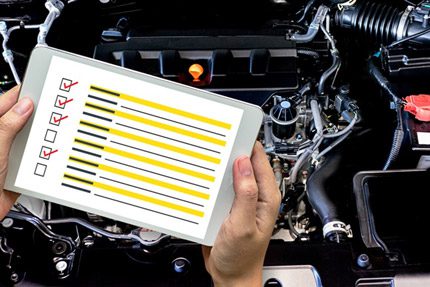
Second, regular vehicle maintenance is essential. Keeping the engine clean, using the recommended viscosity of oil, and replacing air filters periodically can improve fuel economy by about 10%. In the United States, a basic maintenance service costs approximately $50–$100, but the long-term fuel savings far outweigh this expense. Also, ensure tire pressure meets the manufacturer’s standards—under-inflated tires can increase fuel consumption by up to 5%.
3. Reduce Vehicle Load
Furthermore, removing unnecessary weight from the vehicle is important. For every extra 45 kilograms of weight, fuel efficiency may drop by about 2%. In Japan, for example, many drivers regularly clean out their trunks. For consumers planning to buy a new car, many compact models available in the Chinese cars for sale market focus on lightweight design, which helps further reduce fuel consumption.
4. Smart Route Planning
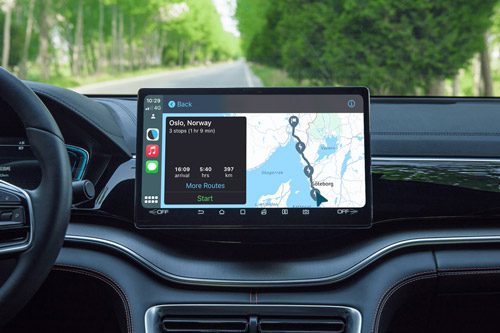
Use navigation apps to choose optimal routes, avoiding congestion and frequent stops. In countries with heavy traffic like India and Brazil, this can save up to 15% on fuel. Also, combine errands into fewer trips to reduce short journeys with cold starts—cold-start fuel consumption is typically 50% higher than during normal driving.
5. Utilize Energy-Saving Technologies
Modern automotive technology also aids fuel saving. Start-stop systems are common in European Union countries, automatically shutting off the engine when idling. Hybrid and electric vehicles are even more efficient options. Many new energy models available as Chinese cars for sale have been exported to markets like Australia and Thailand, with starting prices around $20,000, offering excellent energy efficiency.
6. Highway Driving Strategies
When driving on highways, maintain a moderate speed. For example, in the United States, once speed exceeds 80 km/h, every additional 8 km/h may increase fuel consumption by about 7%. It is advisable to use air conditioning instead of opening windows at high speeds to reduce aerodynamic drag.
7. Choose Efficient Models
Finally, if your vehicle is several years old, consider upgrading to a newer model. Global tests show that cars produced after 2020 have average fuel efficiency about 30% higher than models from a decade ago. In the Chinese cars for sale market, brands like BYD and Geely offer vehicles equipped with efficient engines, priced between $15,000 and $30,000, combining affordability and reliability.
In summary, by adopting smooth driving habits, maintaining your vehicle regularly, optimizing routes, and utilizing modern technology, drivers worldwide can significantly improve fuel efficiency. Meanwhile, staying informed about international automotive market trends, including the growing segment of Chinese cars for sale, may provide you with more economical and eco-friendly mobility solutions. Take action now—these simple changes will benefit both your wallet and the planet in the long run.


