

- 1. The Fatal Impact of Hot Weather on Cars: Basic Knowledge You Need to Understand
- 2. Engine and Cooling System: Guarding the “Heart” of Smooth Vehicle Operation
- 3. Tire Maintenance: Beware of the “Pressure Bomb” on Scorching Pavement
- 4. Car Air Conditioning (AC) and Air Filters: Creating a Cool and Healthy Cockpit
- 5. Battery and Electrical System: Don’t Let the Heat Cause a Shutdown
- 6. Sun Protection for Paint and Interior: Preserving Your Car’s Appearance
- 7. Emergency Response Strategies: Safety First
- Conclusion
The scorching heat not only tests our physical endurance but also places enormous stress on automobiles. Extreme high temperatures constantly erode the vehicle’s critical systems. This happens whether it is the blazing hot road surface under the scorching sun or the sweltering cabin interior. Below, we provide a comprehensive summer car maintenance guide. We hope it helps your beloved car safely navigate every sweltering day.
1. The Fatal Impact of Hot Weather on Cars: Basic Knowledge You Need to Understand
First, we must realize that hot weather is far more “dangerous” than we imagine. When the outdoor temperature rises, the car’s interior temperature can reach 63°C. The exterior body temperature may soar to 93°C. Such extreme high heat greatly accelerates fluid consumption. It causes battery electrolyte to evaporate, internal tire pressure to increase, and the engine’s cooling system to overload. These issues trouble drivers around the world deeply. In response, maintenance experts globally have developed a scientific system of preventive measures.
2. Engine and Cooling System: Guarding the “Heart” of Smooth Vehicle Operation
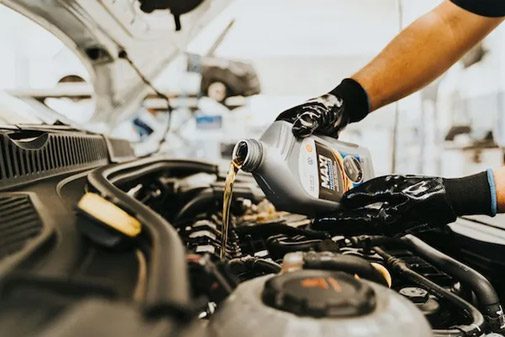
In the hot summer months, the engine and cooling system are the most critical core components of the vehicle. High temperatures thin out engine oil, reducing its lubricating capability. The aging rate of coolant also accelerates dramatically. Keep the engine within a safe temperature range. Regularly inspect the radiator and coolant reservoir.
We recommend opening the hood before each trip. Check the fluid level and color of the coolant reservoir. Never open the radiator cap when the engine is hot. If the coolant appears murky, contains impurities, or shows signs of rust, replace it immediately. Replace coolant every 4 to 5 years or every 80,000 kilometers. This prevents internal acidic substances from corroding metal components. Also, inspect the belts and hoses that drive the cooling fan. Under high heat, rubber expands, softens, and may even crack. Ignoring these subtle cracks could very likely result in a roadside breakdown.
3. Tire Maintenance: Beware of the “Pressure Bomb” on Scorching Pavement
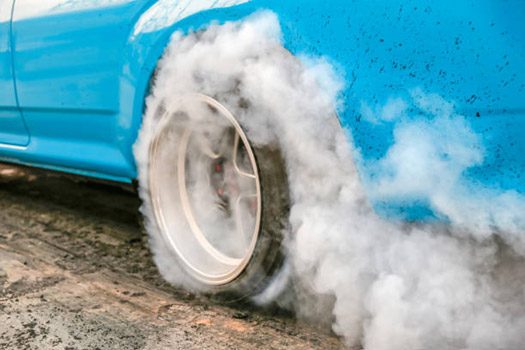
Driving on blistering hot asphalt places enormous strain on tires. High road surface temperatures combine with ground friction. This causes internal tire pressure to increase significantly. Overinflation reduces tire grip and leads to uneven wear. Underinflation causes excessive heat buildup during driving. It also increases the risk of a blowout.
Therefore, during the hot season, you must check tire pressure at least once a week. Check tire pressure when the vehicle has sat overnight and the tires are completely cool. Do this in the early morning. Adjust the pressure strictly according to the values on the door jamb sticker or in the owner’s manual. At the same time, carefully inspect the tire sidewalls for cracks, bulges, or foreign objects. If you notice severe tread wear or aging cracks, replace the tires immediately. New tires ensure safety during high-speed driving.
4. Car Air Conditioning (AC) and Air Filters: Creating a Cool and Healthy Cockpit

When a heatwave strikes, the car’s air conditioning is your most loyal “companion.” However, we often find the cooling effect inside the car diminishes significantly. This usually happens for two reasons. Dust and debris have accumulated on the condenser surface. Or there is a refrigerant leak within the AC system. If the airflow volume noticeably decreases, the cabin air filter may clog. A blocked filter can reduce cooling efficiency by up to 40% and place extra strain on the compressor.
We advise having a professional pressure test and cleaning of the AC system before summer arrives. At the same time, remember to replace the cabin air filter. The air during summer carries an abundance of dust and pollen. Once the air filter becomes clogged, it reduces engine power and increases fuel consumption. It also directly affects the airflow volume and air quality entering the cabin. Even in scorching summer weather, run the air conditioning for a few minutes regularly. Do this on weekends as well. This effectively maintains lubrication for the system’s internal seals and prevents refrigerant leakage.
5. Battery and Electrical System: Don’t Let the Heat Cause a Shutdown
Many people mistakenly believe that only winter damages car batteries. In fact, extreme high temperatures are even more devastating to automotive batteries. Extreme heat accelerates fluid evaporation inside the battery. This leads to internal plate corrosion and a significant decline in capacity. If your battery is over three years old, get a battery health load test before summer. Also do this if you notice sluggish starting or dimming headlights.
During routine self-inspections, check for bluish-white powder on the battery’s positive and negative terminals. If you see this corrosion, clean it off. Use a brush dipped in a baking soda solution. Then apply protective grease. This prevents poor contact. Always secure the battery firmly. This prevents vibrations from worsening internal structural damage.
6. Sun Protection for Paint and Interior: Preserving Your Car’s Appearance
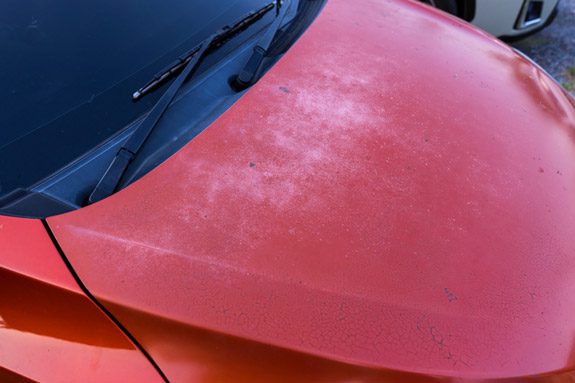
Prolonged exposure to direct sunlight causes damage. It makes the leather dashboard and interior trim crack and fade. It also strips the car’s paint of its luster. This leads to oxidation. Minimize UV damage by parking wisely. Use underground garages, building shadows, or tree shade whenever possible. If you must park in open-air sunlight, use a sunshade. Choose one with a reflective coating. Use it on both the front windshield and rear window. This is a very wise choice. Studies show that simple sunshades lower interior temperature by 15 to 20 degrees Celsius. This protects the interior. It also reduces the air conditioning workload.
Furthermore, apply a high-quality car wax or get a sealant treatment. This acts like a layer of sunscreen for the paint. It effectively resists erosion from scorching sun and acid rain.
7. Emergency Response Strategies: Safety First
Even with thorough preparations, unexpected situations may still arise in hot weather. Stay calm if you see warning signs. These include the engine temperature warning light illuminating. The temperature gauge needle may head straight for the red zone. You might spot steam emerging from the hood edges. Immediately find a safe location to pull over and turn off the engine. Never twist open the radiator cap right away. The cooling system has high temperature and high pressure at that moment. Forcing it open will cause a violent eruption of scalding steam and liquid. This results in severe burns. The correct approach is to wait at least half an hour. Let the engine cool down naturally. Then check the coolant level. Or call for professional roadside assistance directly.
Conclusion
Global climate continues to warm. Summer’s extreme heat poses an increasingly severe test for automobiles. Master the comprehensive protective knowledge above. It covers the cooling system, tires, air conditioning, and paintwork. This knowledge keeps your car performing like new in scorching heat. It also greatly reduces the risk of roadside breakdowns. Note that chinese cars for sale repeatedly achieve record-high global market shares. We see more Chinese automakers conducting rigorous “summer testing.” They test in extreme heat like Turpan or Middle Eastern deserts. This ensures vehicle reliability in hot regions. For every car owner, actively implement these proven maintenance strategies. This is the best way to cope with global heatwaves. It ensures safe and comfortable driving.


