

- Why Air Filters Matter
- Standard Replacement Intervals
- Recommended Replacement Frequency in Dusty Environments
- Signs Your Air Filter Needs Replacement
- Why Dusty Climates Are Hard on Vehicles
- Cabin Air Filters Also Need Attention
- Can You Clean an Air Filter Instead of Replacing It?
- How Dust Affects New Vehicles
- Tips to Extend Air Filter Life
- Are Some Vehicles Better for Dusty Conditions?
- Final Thoughts
Air filters play a crucial role in maintaining engine performance, improving fuel efficiency, and protecting vehicle components from harmful debris. In dusty environments, however, air filters become clogged much faster than under normal driving conditions. Whether you drive on construction sites, desert roads, rural areas, or heavily polluted city streets, understanding when to replace your air filter can save you from costly repairs and reduced vehicle performance.
This guide explains how often you should replace air filters in dusty conditions, the warning signs of a dirty filter, and why proper maintenance is especially important for owners of modern vehicles, including those searching for chinese cars for sale.
Why Air Filters Matter
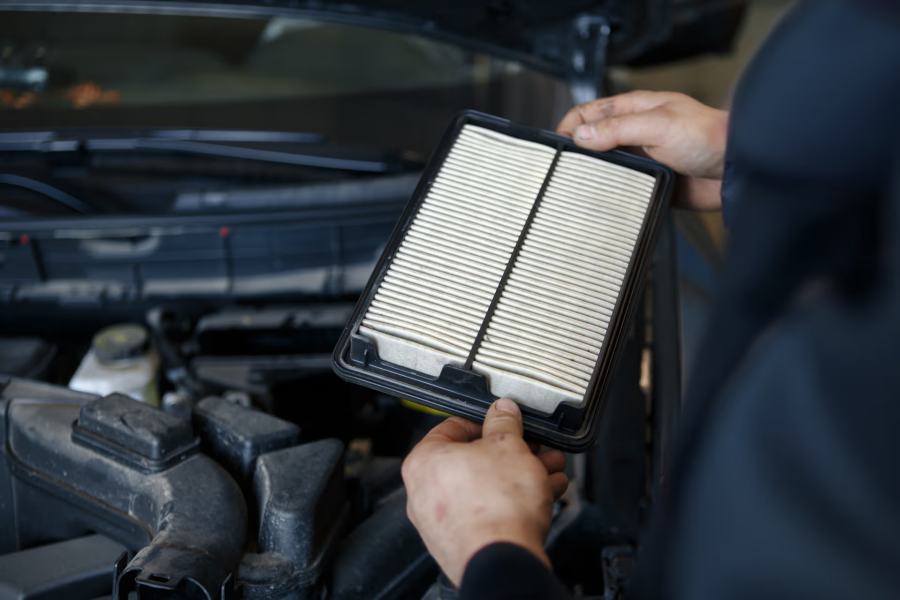
The engine air filter prevents dust, sand, dirt, insects, and debris from entering your engine. Clean airflow is essential because your engine requires a balanced mixture of air and fuel for efficient combustion.
When the air filter becomes dirty:
- Engine performance decreases
- Fuel consumption increases
- Acceleration becomes sluggish
- Engine components wear out faster
- Emissions may increase
In extremely dusty environments, these problems can develop much sooner than many drivers expect.
Standard Replacement Intervals
Under normal driving conditions, most manufacturers recommend replacing the engine air filter every:
- 12,000 to 15,000 miles (19,000–24,000 km)
- Or every 12 months
However, dusty environments require much more frequent inspections and replacements.
Recommended Replacement Frequency in Dusty Environments
If you regularly drive in dusty areas, experts recommend checking your air filter every:
- 3,000 to 5,000 miles (4,800–8,000 km)
In severe conditions, replacement may be necessary every:
- 5,000 to 8,000 miles (8,000–13,000 km)
This applies to:
- Desert driving
- Off-road driving
- Rural dirt roads
- Mining or construction zones
- Areas with frequent sandstorms
Drivers who own SUVs, pickups, or utility vehicles often encounter these harsh conditions more frequently.
Signs Your Air Filter Needs Replacement
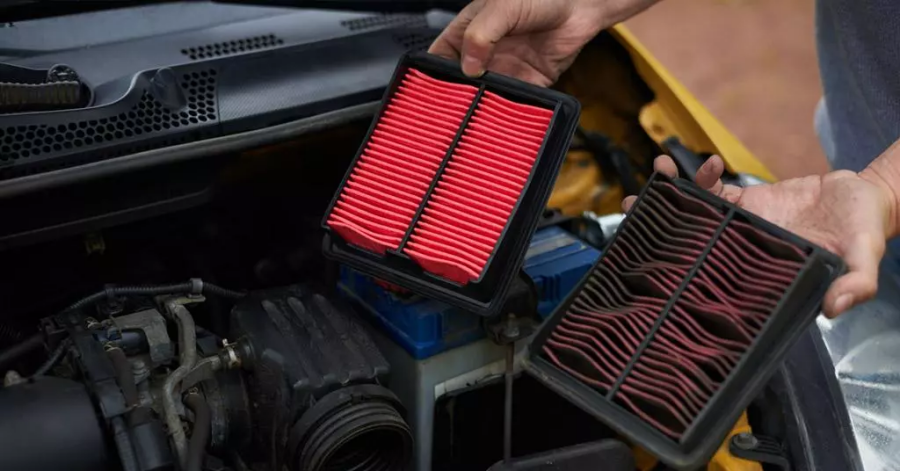
Even if you follow a maintenance schedule, it is important to recognize the symptoms of a clogged air filter.
1. Reduced Fuel Efficiency
A dirty air filter restricts airflow, forcing the engine to work harder and consume more fuel.
2. Weak Engine Performance
If your vehicle struggles during acceleration or feels less responsive, restricted airflow could be the cause.
3. Dirty or Dark Filter Appearance
A clean filter is usually white or light-colored. If it appears dark gray, brown, or packed with debris, replacement is necessary.
4. Unusual Engine Sounds
Clogged filters can sometimes cause coughing, popping, or rough idling sounds.
5. Black Smoke from Exhaust
Insufficient airflow can lead to incomplete combustion, causing dark exhaust smoke.
6. Check Engine Light
Modern vehicles may detect airflow issues and trigger warning lights.
Why Dusty Climates Are Hard on Vehicles

Dust particles are extremely fine and abrasive. Over time, they can damage internal engine components if the filtration system fails.
In hot and dry regions, airborne sand and dust accumulate rapidly. Drivers living in desert climates or industrial regions should take extra precautions because clogged filters develop much faster than in urban environments with paved roads.
This is particularly important for commercial fleets and drivers searching for reliable chinese cars for sale, as many modern Chinese vehicles are increasingly used in demanding work environments worldwide.
Cabin Air Filters Also Need Attention
Many people focus only on the engine air filter and forget the cabin air filter.
The cabin filter cleans the air entering your vehicle’s interior through the air conditioning and ventilation system.
In dusty conditions, cabin filters should generally be replaced every:
- 8,000 to 12,000 miles
- Or every 6 months in severe climates
A dirty cabin filter can cause:
- Weak AC airflow
- Bad odors
- Increased dust inside the vehicle
- Poor air quality for passengers
Can You Clean an Air Filter Instead of Replacing It?
Some reusable performance filters can be cleaned and reinstalled. However, standard paper filters usually should not be cleaned because compressed air or washing may damage the filter material.
For most vehicles, replacement is safer and more effective than attempting to clean a disposable filter.
Always follow the recommendations in your owner’s manual.
How Dust Affects New Vehicles
Modern vehicles use advanced fuel injection systems and sensors that rely on precise airflow measurements. Dirty air filters can interfere with these systems and reduce efficiency.
This is especially relevant as more consumers explore affordable and technologically advanced chinese cars for sale. Chinese automotive brands have improved significantly in quality, fuel economy, and technology, but regular maintenance remains essential for long-term reliability.
Whether you own a compact sedan, SUV, or electric crossover, proper air filter maintenance helps maximize performance and lifespan.
Tips to Extend Air Filter Life
Although dusty environments are challenging, several strategies can help extend the life of your air filter.
Drive Carefully on Dirt Roads
Reducing speed lowers the amount of dust entering the intake system.
Avoid Following Too Closely
Trailing other vehicles on dusty roads exposes your filter to larger amounts of airborne debris.
Inspect Filters Regularly
Visual inspections help catch problems before they affect engine performance.
Use High-Quality Replacement Filters
Cheap filters may not provide adequate protection in harsh environments.
Schedule Preventive Maintenance
Routine servicing helps detect airflow issues early.
Are Some Vehicles Better for Dusty Conditions?
Yes. Vehicles designed for off-road use or heavy-duty environments often include:
- Larger air filtration systems
- Raised air intakes
- Better engine sealing
- More durable filters
As the global automotive market evolves, many buyers looking for durable and affordable chinese cars for sale are considering newer Chinese SUVs and pickups built specifically for rugged environments. Proper maintenance, however, remains the key to durability regardless of vehicle brand.
Final Thoughts
In dusty environments, air filters require much more attention than under normal driving conditions. Waiting too long to replace a dirty filter can reduce engine performance, increase fuel consumption, and potentially cause long-term damage.
For most dusty driving conditions:
- Inspect filters every 3,000–5,000 miles
- Replace them every 5,000–8,000 miles if necessary
Regular maintenance is one of the simplest and most cost-effective ways to protect your vehicle. Whether you drive a family SUV, work truck, or one of the latest chinese cars for sale, keeping your air filters clean ensures better performance, improved efficiency, and longer engine life.


