

As the EV market continues to expand rapidly, one of the most important performance metrics for buyers is how quickly an electric vehicle can charge. With improvements in battery technology, thermal management, and charging infrastructure, the latest EVs are delivering unprecedented charging speeds—making long trips more convenient and reducing range anxiety like never before.
In this article, we explore the fastest charging EV models of 2025–2026, ranked by their 10–80% charging times. We also discuss what this means for buyers, the role of advanced electric vehicle chargers, and how the growing presence of Chinese cars for sale is changing the global EV landscape.
Why Charging Speed Matters
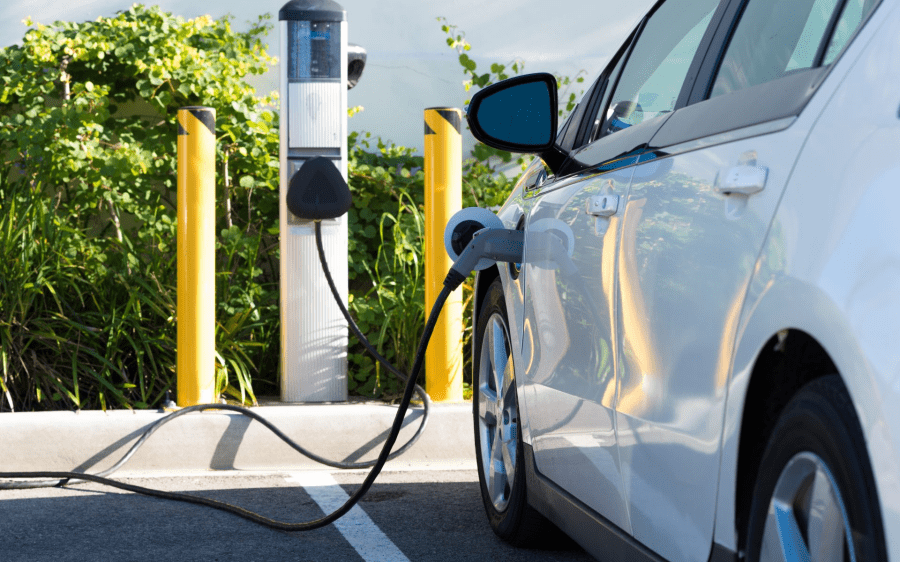
Charging speed directly affects how usable an EV is for longer journeys. Unlike filling a gas tank—which takes a few minutes—EV charging time varies widely depending on battery capacity, charging network, and vehicle technology. The industry standard measurement for rapid charging comparisons is the time it takes to go from 10% to 80% battery capacity, where most of the charging speed advantage occurs.
Faster charging enables drivers to:
Spend less time at charging stations
Make longer trips with fewer interruptions
Use public infrastructure more efficiently
Better plan travel logistics
Because of this, electric vehicle charging performance has become a key differentiator for manufacturers and a major decision point for buyers.
How Charging Infrastructure Impacts Speed
Fast charging isn’t just about the car’s capability. It’s also about the charger. High-power electric vehicle chargers such as 150 kW, 250 kW, and even 350 kW stations are becoming more common globally. These chargers deliver high voltage and current safely, enabling compatible EVs to charge extremely quickly.
The synergy between EV hardware and charging infrastructure is crucial. A vehicle may be capable of fast charging, but without an electric vehicle charger that supports high power delivery, the real-world charging time will suffer. In contrast, when manufacturers design cars that can handle higher input power, and the charging network keeps pace, customers see the benefits directly in faster charge sessions.
Top Fastest Charging EVs (2025–2026)
Here are some of the most impressive EVs in terms of 10–80% charging time, based on available manufacturer data and independent testing:
1. Tesla Model Z (2026)
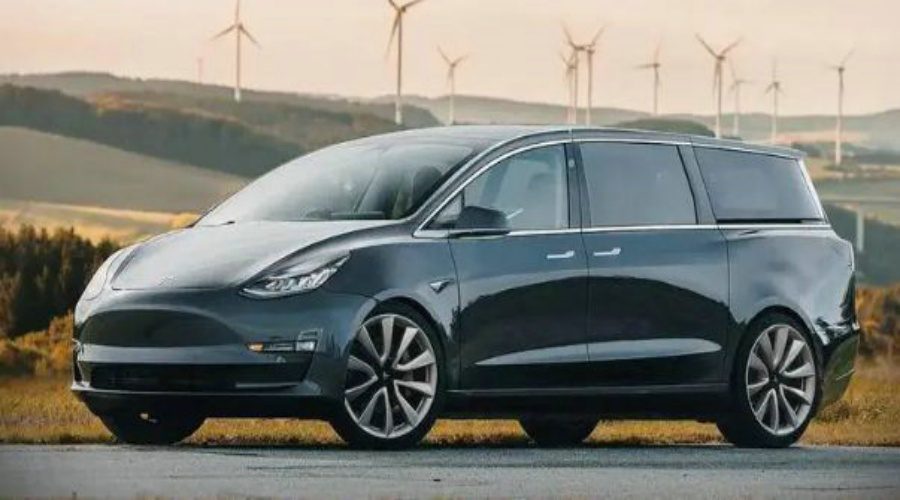
Tesla continues to lead in real-world charging experience. The new Model Z has been optimized for ultra-fast charging, with a 10–80% time of roughly 15–18 minutes using Tesla’s V4 Superchargers. Combined with Tesla’s extensive charging network, it remains one of the best choices for long-distance EV travel.
Key features:
Proprietary battery chemistry optimized for rapid charge
Intelligent thermal management
Seamless integration with Tesla’s charging ecosystem
2. Lucid Air Max (2025)
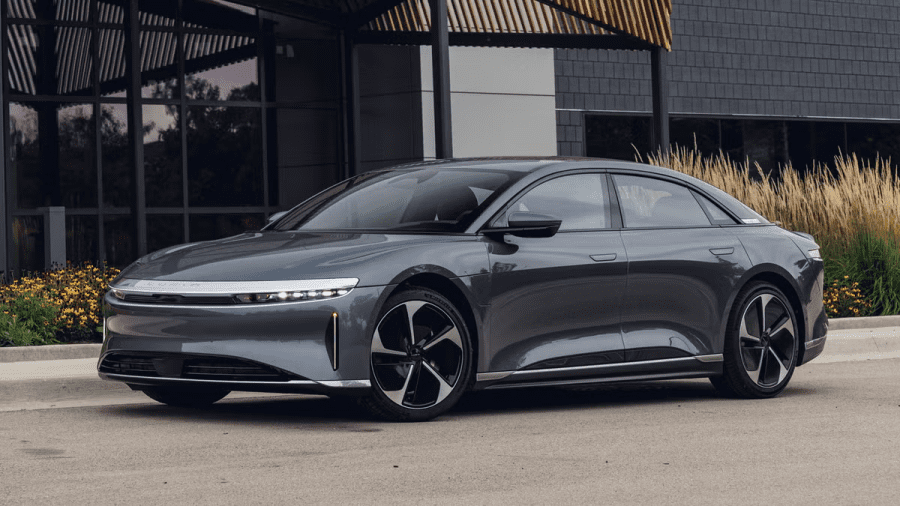
Lucid’s premium EV holds one of the top positions among luxury vehicles. The Lucid Air Max can add significant range in a short time at high-power stations, with an estimated 16–20 minute 10–80% charge.
Why it’s fast:
High-voltage architecture
Efficient battery cell design
Great heat management systems
3. Porsche Taycan GTS (2025)
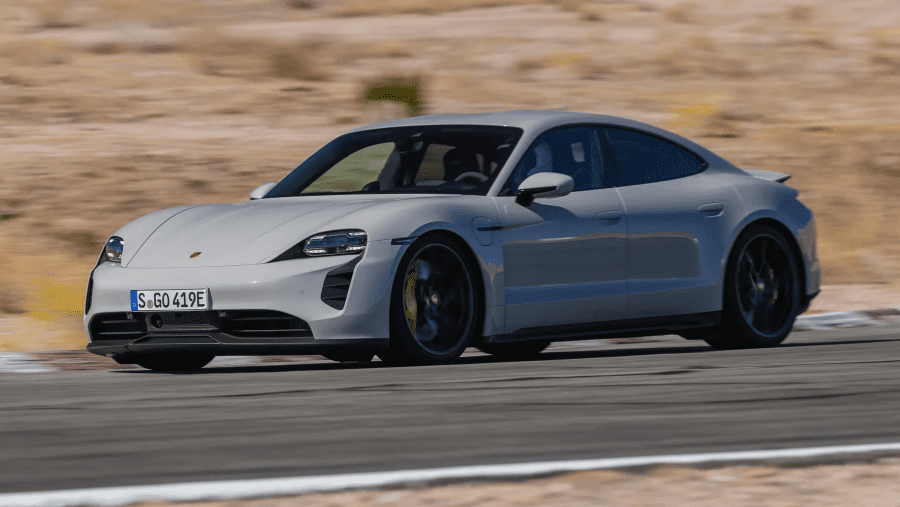
The Porsche Taycan continues to impress with its 800-volt architecture, enabling rapid charging that competes with some of the fastest vehicles today. The 10–80% charging time sits in the 18–21 minute range on 350 kW chargers.
Performance perks:
Dual-motor setup
800V fast charging compatibility
Sportscar dynamics with practical charging
4. BYD Dolphin Ultra (2026)
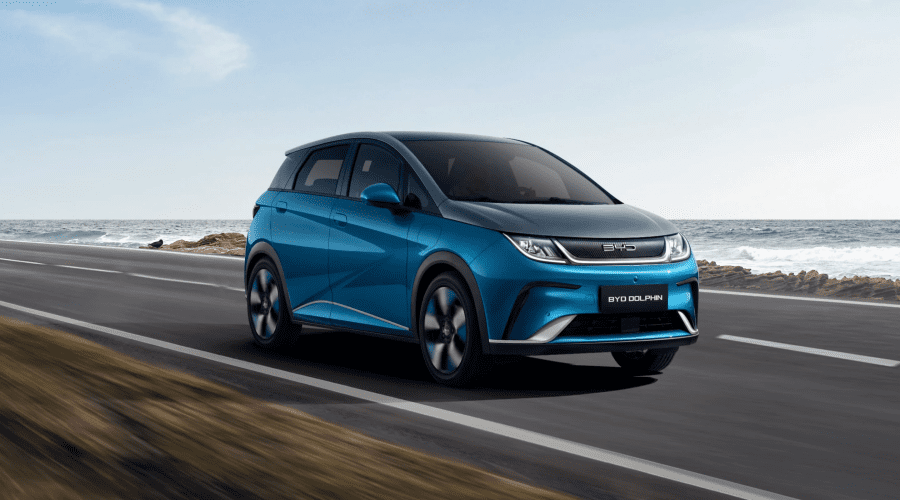
For buyers looking at affordability and real-world efficiency, this brings us to one of the most talked-about Chinese cars for sale worldwide. BYD’s Dolphin Ultra compact EV achieves striking charging performance for its class, often reaching 10–80% in as little as 20–24 minutes on compatible fast chargers.
Why it matters:
Great price-to-performance ratio
Growing presence in global EV markets
Solid charging speed for everyday drivers
5. NIO ET7 Performance (2025)
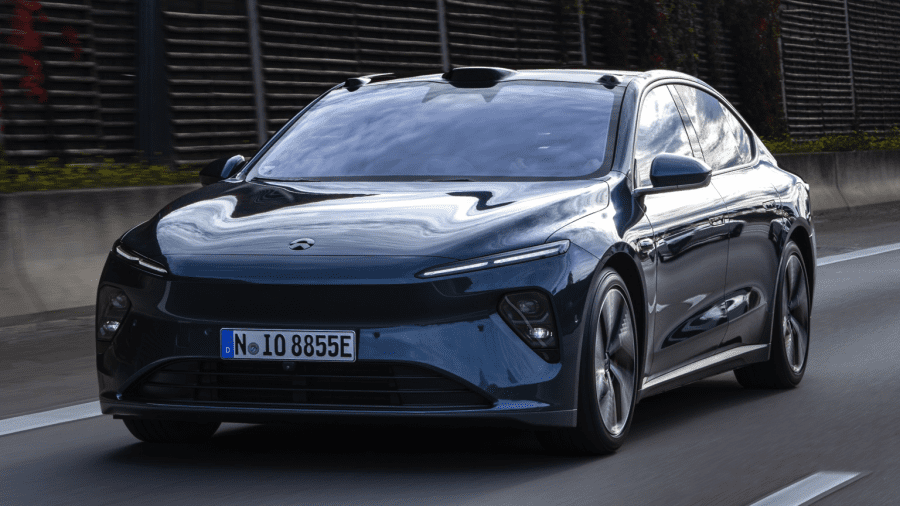
Another strong entrant among Chinese EV brands is the NIO ET7 Performance. With a robust battery pack and advanced thermal design, the ET7 can charge rapidly on high-power networks, showing 18–22 minute 10–80% results in independent tests.
Highlights:
Premium interior and features
Battery swap technology option (unique to NIO)
Strong support from expanding global charging infrastructure
Chinese Cars for Sale: A Growing Force in Fast Charging
The global automotive market is being reshaped by Chinese brands that are increasingly competitive in both price and performance. Today’s Chinese cars for sale aren’t just budget options; many deliver class-leading tech, strong range figures, and impressive fast charging capabilities.
Brands like BYD, NIO, XPeng, and others are pushing boundaries with battery technology and charging optimization. As their presence grows in Europe, Asia, and beyond, more buyers are considering these EVs not just for affordability but for real performance benefits—including charging speed.
What Buyers Should Consider
When evaluating the fastest charging EVs, it’s important to consider:
Charger availability: Can you regularly access high-power chargers?
Battery chemistry and management: Does the vehicle handle heat well?
Ecosystem support: Networks like Tesla Supercharger or third-party chargers
Real-world conditions: Weather, temperature, and charging etiquette can shift times
Ultimately, the combination of a capable vehicle and a robust charging network determines how fast your EV will charge in everyday use.
Conclusion
As we look at the fastest charging EV models of 2025–2026, the gains in charging speed represent a leap forward in EV practicality. With solid performance from premium brands and the rise of competitive Chinese cars for sale, buyers have more choices than ever.Pair these vehicles with powerful electric vehicle chargers, and you get an EV experience that’s increasingly comparable to fossil-fuel refueling—just cleaner and more efficient.


