

With the rapid development of autonomous driving technology, Advanced Driver-Assistance Systems (ADAS) have become a key global consideration for car buyers. Currently, numerous automakers compete fiercely in the L2 autonomous driving arena. This article analyzes standout brands and their software features from a global user’s perspective.
American Brands: Leaders in Technological Innovation
First, Tesla’s Autopilot and Full Self-Driving (FSD) suite attract widespread global attention. The system boasts powerful visual perception capabilities and continuous Over-the-Air (OTA) updates. For instance, Tesla prices the FSD suite at $12,000 in the United States market. Additionally, General Motors’ Super Cruise also performs excellently. It combines high-precision mapping with a driver attention system. This combination offers a highly reliable experience, particularly on North American highways.
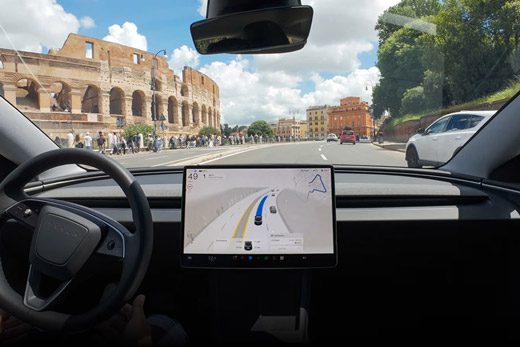
Meanwhile, Ford’s BlueCruise has gained a positive reputation in the United States and Canada. This system enables hands-free driving on specific, pre-mapped highway sections. However, regulatory restrictions in different countries may vary the functionality of these systems.
European Brands: Balancing Robustness and Luxury
On the other hand, European manufacturers also demonstrate strong capabilities. For example, Mercedes-Benz’s Drive Pilot system has obtained L3 certification in Germany. Its L2 features, such as Active Steering Assist and adaptive cruise control, are equally precise. Furthermore, BMW’s Personal CoPilot and Audi’s AI Traffic Jam Pilot deeply integrate comfort and safety. This makes them particularly suitable for Europe’s complex road conditions.
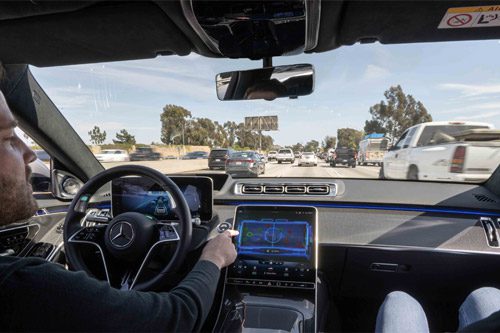
Notably, automakers often offer these premium systems as optional packages. For example, in the German market, Mercedes-Benz’s advanced driver-assistance packages cost approximately $5,000 to $7,000.
Chinese Brands: Rapidly Rising Competitors
In recent years, Chinese automotive brands have progressed rapidly in autonomous driving. This progress significantly enhances their global competitiveness. For instance, XPeng Motors’ XPILOT and NIO’s NOP (Navigate on Pilot) systems perform outstandingly in China. They feature advanced capabilities like automatic lane changing and highway navigation assistance. These technological advancements also propel Chinese cars for sale in overseas markets like Europe and Southeast Asia. Consequently, they attract global consumers’ attention.
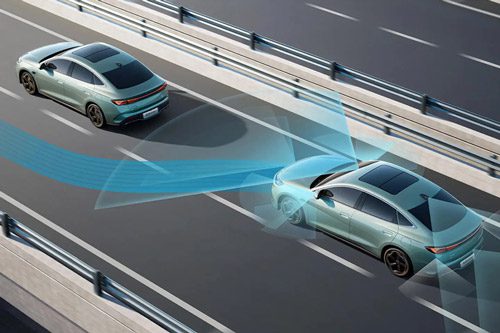
Furthermore, brands like Li Auto and BYD are rapidly iterating their software. For example, XPeng prices the XPILOT 3.5 software package around $2,500 for vehicles sold in China. Simultaneously, the global expansion of Chinese cars for sale directly benefits international users with these advanced systems.
Key Considerations: User Experience and Safety
When choosing superior autonomous driving software, global users should focus on several core elements. First, the system’s smoothness and predictive capability are crucial. Second, geography and traffic environments differ across countries. Therefore, the software must adapt well. For example, automatic following and lane keeping perform critically in crowded Asian cities.
Moreover, data privacy and localized support are important for cross-national use. Finally, continuous software updates directly determine the system’s long-term value.
Future Trends and Global Market Outlook
Looking ahead, L2+ systems are becoming the new competitive focus. These systems build on L2 with more automated functionalities. They also maintain driver monitoring. Global supply chains and technological collaborations are accelerating. For instance, Chinese automakers and European/American tech companies now cooperate more closely.
Notably, Chinese cars for sale internationally often highlight advanced autonomous driving systems as a core selling point. For example, Chinese electric vehicles with high-end ADAS are gradually gaining market share in Europe and Australia.
Conclusion: Smart Driving Among Diverse Choices
In summary, American brands like Tesla and GM lead in technological innovation. European brands emphasize luxury and robustness. Meanwhile, Chinese brands excel in rapid iteration and localized experience. Global users should consider their specific country’s regulations, road conditions, and after-sales network when purchasing.
Technology continues to evolve, so autonomous driving software will keep advancing. Therefore, consider a personal test drive if you are buying a car in the United States, Germany, or Thailand. Also, check if the vehicle has OTA upgrade capability. Additionally, monitor the latest developments regarding Chinese cars for sale. This may lead you to more cost-effective smart driving options.


