

- Gasoline Cars: Is the Classic Choice Losing Its Luster?
- Electric Vehicles: The Future Is Here, But Not Evenly Distributed Yet
- Chinese Car Sales: The Force Reshaping the Global EV Market Landscape
- Hybrid Cars: The Smart Choice for the Best of Both Worlds?
- 2026 Car-Buying Decision Framework: Total Cost of Ownership and Policy Outlook
- 2026 Car-Buying Guide: How to Choose Based on Your Specific Situation
- Conclusion: What Should You Actually Do in 2026?
Are you thinking about buying a new car in 2026?
If so, you are probably asking yourself a question worth tens of thousands of dollars: Should I stick with a gasoline car, switch to a hybrid, or go fully electric?
The answer is not simple. That is because the global automotive market in 2026 is undergoing an unprecedented transformation.
According to ABI Research, global vehicle sales in 2026 will exceed 97 million units. Among them, electric vehicle sales will continue to expand their market share, reaching 24% market penetration. But this means that other powertrains – including gasoline, diesel, and hybrid vehicles – will still account for 76% of global new car sales.
Therefore, your choice depends on where you live, your budget, and your driving habits.
Importantly, no matter which powertrain you choose, one trend is changing the global automotive market: Chinese car sales are reshaping the competitive landscape. With the export volume of Chinese automakers surging worldwide, consumers from Europe to Southeast Asia now have more affordable options to choose from.
In this guide, we will break down the pros and cons of each powertrain option, their costs, and the key trends you need to understand.
Quick Preview of Core Takeaways:
| Powertrain Type | Best Suited For | Key Advantages in 2026 | Key Risks |
| Gasoline Car | Budget-conscious consumers, areas with insufficient charging infrastructure | Mature technology, dense gas station network | Tightening policies, rising fuel costs |
| Hybrid Car | Pragmatists seeking a balance | Fuel-efficient with no range anxiety, strong used car demand | Policy uncertainty |
| Electric Vehicle | Those with home charging, seeking low operating costs | Sharply falling battery costs, extremely low running expenses | Uneven charging infrastructure, residual value fluctuation |
Gasoline Cars: Is the Classic Choice Losing Its Luster?
Gasoline cars still dominate global car sales. But the situation is changing.

Current State of the Global Market
Data shows that the global market share of new energy vehicles reached 20.2% in the first quarter of 2026, with pure electric vehicles accounting for 13.8%, plug-in hybrids for 6.4%, and conventional hybrids for 7.2%, demonstrating strong performance. In terms of sales volume, global sales of pure electric vehicles reached 624,000 units in February, plug-in hybrids reached 347,000 units, while conventional hybrid vehicles reached 397,000 units, indicating that hybrids have become a highlight of growth.
But in other words, about 80% of new car buyers globally still choose internal combustion engine models. There are clear reasons behind this preference.
Advantages of Gasoline Cars
- Mature Infrastructure: Gas stations are ubiquitous worldwide. You can refuel in minutes and get back on the road.
- Lower Initial Purchase Cost: Gasoline cars are generally cheaper than electric or hybrid vehicles.
- Global Availability: In many developing countries, a gasoline car is the only viable option.
Disadvantages of Gasoline Cars
- Fuel Costs: The sharp rise in global fuel prices in 2026 makes keeping a gasoline car running increasingly expensive.
- Policy Tightening: More and more governments are gradually tightening regulations on gasoline cars.
It is worth noting, however, that the policies of countries worldwide regarding gasoline cars are undergoing a major shift.
The European Union‘s planned ban on new internal combustion engine car sales originally set for 2035 is being reassessed and amended. Reports indicate that the EU is expected to postpone the ban to 2040. After the adjustment, from 2035 onwards, the fleet CO2 emission reduction target for new car manufacturers will be reduced to 90%, rather than the original 100% reduction to zero.
In other words, gasoline cars will not be eliminated in the foreseeable future. And existing vehicles can still be driven and resold normally. But in the long term, policy pressure will continue to increase.
Practical Advice: If you live in an area with underdeveloped charging infrastructure, or if you have low annual mileage and are sensitive to vehicle prices, buying a gasoline car in 2026 is still a rational short-term decision. But if you plan to keep the vehicle for more than 5 years, closely monitor how your country’s policy changes may affect the residual value of used cars.
Electric Vehicles: The Future Is Here, But Not Evenly Distributed Yet
Electric vehicles have reached an inflection point in 2026.
Battery costs are dropping dramatically. Goldman Sachs predicts battery prices will fall from $149 per kilowatt-hour in 2023 to around $80 per kilowatt-hour in 2026.
What does this mean? EVs are approaching price parity with fuel vehicles.
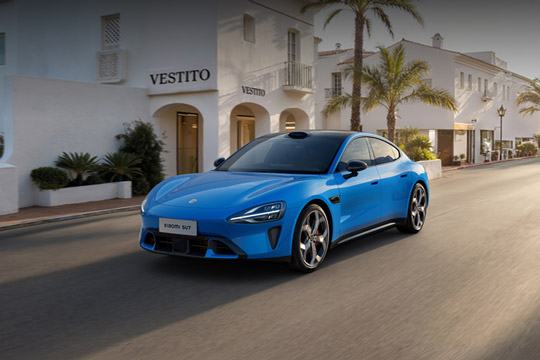
Advantages of Electric Vehicles
- Lower Operating Costs: Electricity is usually much cheaper than gasoline. EVs also require less maintenance.
- Environmental Benefits: Zero tailpipe emissions help reduce your carbon footprint.
- Technological Progress: Battery technology, driving range, and charging speed are constantly improving.
Disadvantages of Electric Vehicles
- Charging Infrastructure: Despite improvements, the global charging network remains incomplete, especially in rural areas.
- Residual Value Issues: The used EV market sees significant price fluctuations, and brands other than Tesla tend to depreciate faster.
- Policy Dependency: The phasing-out of subsidies can significantly impact market demand.
In fact, EV adoption heavily relies on policy incentives. In the United States, the federal EV tax credit expired at the end of September 2025. In China, the purchase tax exemption for new energy vehicles has been halved starting from 2026. These policy changes have had a noticeable effect on market demand.
Progress in Charging Infrastructure
The good news is that charging infrastructure is growing rapidly. DIGITIMES estimates that global public charging piles will exceed 9.01 million units in 2026. The global EV charging infrastructure market size is projected to grow from $73.16 billion in 2025 to $93.57 billion in 2026, with a compound annual growth rate of 27.9%.
However, development is severely unbalanced across regions. In major Chinese cities and core European regions, public fast charging is already relatively convenient. But in parts of the United States and most developing countries, the density of charging piles is still far from sufficient to meet daily travel needs.
Chinese Car Sales: The Force Reshaping the Global EV Market Landscape
Now, let’s take a detailed look at a major trend that is reshaping the global electric vehicle market: Chinese car sales.
In 2026, China’s automobile export volume is increasing substantially, and its influence and overseas footprint in the global EV sector are deepening further. Data shows that in the first quarter of 2026, China’s exports of new energy passenger vehicles grew by approximately 120% year-on-year. Chinese passenger vehicle exports also demonstrate broad coverage, with Brazil, Belgium, the United Kingdom, the United Arab Emirates, Italy, Germany, Thailand, Spain, and South Korea all being important destinations.
Looking at the brand landscape, Chinese brands hold a significant share of the global EV market. In the first quarter of 2026, among the global top 20 best-selling electric vehicle models, Chinese models occupied 16 spots; among the top 20 brands by sales volume, Chinese brands accounted for more than half.
What does this mean for you – a global consumer?
Price competition will become more intense. Chinese manufacturers offer EVs across a wide range of price points, from affordable city commuters to premium smart electric vehicles. This provides consumers with a broader range of choices and also forces traditional automakers to lower their prices.
However, there are also some trade considerations.
The European Union has imposed additional tariffs on Chinese-made electric vehicles, with rates ranging from 7.8% to 35.3%. The United States has raised tariffs on Chinese EVs to 100%, effectively blocking the import channel.
Despite this, Chinese automakers are responding to these barriers by localizing production. BYD has invested in establishing production bases in places like Brazil, Hungary, and Thailand. Geely has set up research and development centers in Germany, Sweden, and the UK, gathering engineers from multiple countries for product adaptation and local R&D.
Practical Advice: If you live in a city with well-developed charging infrastructure and have the means to install a home charging point, an EV in 2026 is already an economical and rational choice. When shopping, be sure to include Chinese brands in your comparison – they often offer more competitive pricing and features. But make sure you understand the current import tariff policies on Chinese EVs in your region.
Hybrid Cars: The Smart Choice for the Best of Both Worlds?
Hybrid vehicles are seeing significant sales growth in 2026.
They offer some of the benefits of electric driving, without the range anxiety.
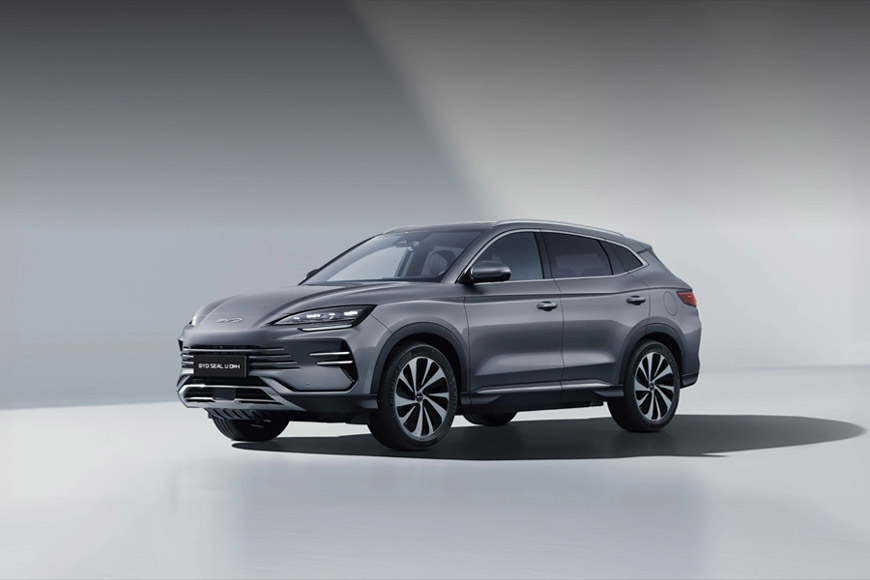
Why Hybrids Are Gaining Momentum
According to market data, from January to February 2026, sales of conventional hybrid vehicles have already surpassed those of plug-in hybrids, becoming a growth highlight with a market share of 6.4%.
More importantly, demand for used hybrid vehicles is strong. Research from iSeeCars indicates that the market share of used hybrid vehicles grew by 41.8% year-over-year in the first quarter of 2026, far outpacing the 15.9% growth rate for EVs.
This shows that buyers are actively seeking transitional electrification solutions, but they prefer the intermediate step of a hybrid over a direct and complete shift to pure electric vehicles.
Advantages of Hybrid Vehicles
- Excellent Fuel Economy: Hybrids can substantially reduce fuel consumption.
- No Range Anxiety: You don’t need to find a charging station; you just refuel like a regular car.
- Strong Used Market Demand: Data shows that hybrids hold their residual value better than both pure EVs and traditional gasoline cars in the used car market.
Disadvantages of Hybrid Vehicles
- More Expensive Than Gasoline Cars: The initial purchase cost is higher than that of a comparable gasoline vehicle.
- Technical Complexity: Hybrids contain both an internal combustion engine and an electric system, potentially leading to higher repair complexity in the long run.
- Policy Uncertainty: Some countries and regions may adjust their support policies for hybrid vehicles.
Practical Advice: If you have extensive driving needs on both city streets and highways, or if you have doubts about charging convenience, a hybrid may be the most practical middle-ground choice in 2026. It offers significant fuel savings while being completely free from the constraints of charging infrastructure.
2026 Car-Buying Decision Framework: Total Cost of Ownership and Policy Outlook
Synthesizing the analysis of all powertrain types above, the following table lists the key factors influencing global consumer decisions in 2026, making it easy for you to compare horizontally:
| Decision Factor | Gasoline Car | Hybrid Car | Pure Electric Vehicle |
| Initial Purchase Price | ★★★☆ (Lowest) | ★★★☆ | ★★★ (Approaching fuel cars quickly) |
| Energy Cost per Kilometer | ★ (Highest) | ★★ | ★★★☆ (Lowest) |
| Maintenance Cost | ★★☆ | ★★ | ★★★ (Simplest structure) |
| Fueling/Charging Convenience | ★★★☆ (Densest) | ★★★☆ (Same as fuel cars) | ★★ (Large regional difference) |
| Used Car Residual Value | ★★☆ | ★★★ (Best) | ★★ (Severe brand divergence) |
| Policy Friendliness | ★ (Continuously tightening) | ★★☆ (Certain transition period) | ★★★☆ (Most favored long-term) |
| Emission Restriction Risk | ★ (Highest) | ★★ | ★★★☆ (Lowest) |
Furthermore, the specific backdrop of 2026 is also worth noting: geopolitical tensions are driving up global fuel prices, which increases demand for both EVs and hybrids due to rising oil prices. The economic pressure brought by high gasoline prices is pushing more consumers to consider transitioning to electrification.
2026 Car-Buying Guide: How to Choose Based on Your Specific Situation
Considering all the indicators above, here are specific suggestions for different vehicle usage scenarios:
Scenario One: You Are Buying a Car in North America
If you are in the United States, please note that the federal EV tax credit has ended. EV demand has decreased as a result, and hybrids are becoming the mainstream choice.
If your annual mileage is less than 10,000 miles, a gasoline car remains a reasonable choice. But if you plan to keep the vehicle for more than 5 years, pay attention to whether your state is advancing restrictions on gasoline vehicles.
Scenario Two: You Are Buying a Car in Europe
Europe’s emission regulations remain stringent – in fact, the pure electric vehicle market is continuing to advance, with pure EV sales in the five major European markets growing by 47% year-on-year in March. However, hybrids have also gained policy space because the EU has relaxed its 2035 emission reduction targets.
Chinese car sales are a key variable in the European market. Despite the tariffs, Chinese EVs are expanding their market share with their competitive pricing. Reports indicate that China and the EU have reached a “soft landing” deal on EV import tariffs, averting a potential trade war that could have escalated to a 25% tariff. The UK market has a higher acceptance of Chinese brands and lower tariffs; in March 2026, a Chinese model even became the overall best-selling vehicle in the UK.
Scenario Three: You Are Buying a Car in Asia (Outside of China)
In regions like Southeast Asia, India, and the Middle East, infrastructure varies greatly. Chinese car sales are more important than ever, as Chinese-made EVs are being widely accepted due to their price advantages and localized services. In these areas, it is recommended to compare gasoline cars, hybrids, and EVs from China simultaneously to find the best cost-performance ratio.
Scenario Four: You Are in the Global South (Latin America, Africa, etc.)
In these regions, gasoline cars remain the most practical option due to limited charging infrastructure. However, Chinese automakers are actively expanding into these markets. For example, BYD has established a factory in Brazil to circumvent high tariffs on imported whole vehicles, and is producing and selling locally. In the coming years, you are likely to have more affordable options.
Conclusion: What Should You Actually Do in 2026?
After analyzing the global data, the trends for 2026 become clear:
If you need a proven, affordable, and conveniently fast vehicle, a gasoline car is still a good choice. But keep in mind that the policy environment is becoming increasingly strict.
Hybrid cars are becoming the hot pick of 2026. They offer excellent fuel economy without any worry about charging. iSeeCars data shows that market demand for used hybrids surged by 41.8% in the first quarter of 2026, which fully illustrates their consumer appeal.
Electric vehicles are reaching a critical turning point. Battery costs are dropping significantly, running expenses are extremely low, and charging infrastructure is expanding rapidly. However, subsidy phase-outs and residual value fluctuations are risks that need to be considered.
And for consumers in almost every region, Chinese car sales are dramatically altering the competitive landscape. In the first quarter of 2026, China’s global share of new energy passenger vehicles had reached 61%, and Chinese brands are offering highly competitive choices on a global scale, from affordable commuters to high-end smart EVs. Regardless of whether you ultimately buy a model from a Chinese brand, this competition will drive down overall market prices and ultimately benefit you.
Ultimately, the best choice depends on you – your geographical location, your budget, and your driving habits.


