

- 01 Market Reality: The Polarized Global Performance of the Mirai
- 02 Direct Drivers: Global Differences in Sales Challenges and Promotion Strategies
- 03 Usage Challenges: The Global Reality of High Costs and Inconvenience
- 04 Underlying Contradiction: Global Imbalance Between Technology and Infrastructure
- 05 Strategic Considerations: Toyota’s Global Layout and Future Outlook
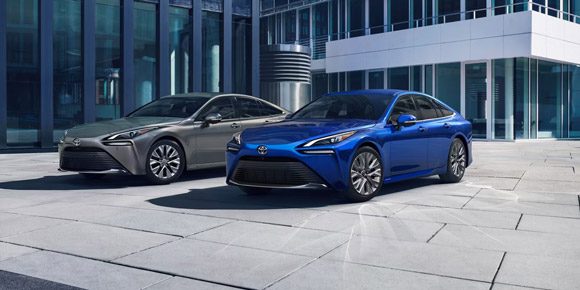
The Toyota Mirai is undergoing an unprecedented price plunge in the U.S. market, with some dealers offering discounts of up to 70%. This has slashed the price of this once “car of the future” to levels comparable to a regular mid-size sedan.
In stark contrast, in many markets including China, the Toyota Mirai maintains a high selling price. A wave of Toyota Mirai review activity is rising globally as consumers try to understand the logic behind this huge price disparity.
01 Market Reality: The Polarized Global Performance of the Mirai
Observing the pricing strategy of the Toyota Mirai from a global perspective reveals a fragmented market picture. In the United States, particularly in California, Toyota is clearing Mirai inventory with unprecedented intensity.
Data from the first half of 2024 shows Toyota sold only 245 Mirai vehicles in the U.S., a dramatic sales drop of 85.8% compared to the same period in 2022. This dismal performance directly led to the aggressive discount strategy.
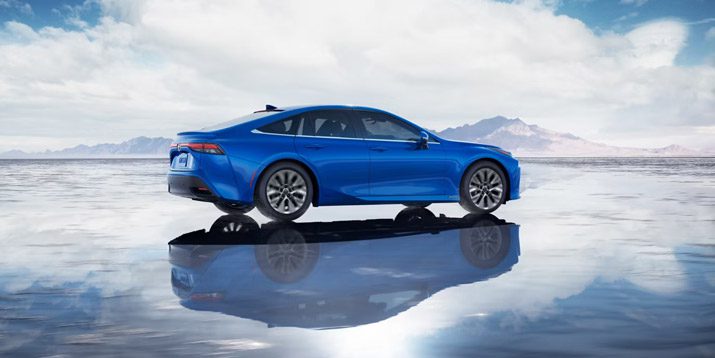
In contrast, the positioning of the Mirai in the Chinese market is completely different. This hydrogen vehicle is introduced in limited numbers via import, with a manufacturer’s suggested retail price as high as 748,000 RMB (approximately $103,000 USD). Its symbolic significance far outweighs practical sales objectives. For those tracking trends in Chinese cars for sale, the Mirai‘s strategy there offers a distinct case study.
Markets in Europe and Japan are in an intermediate state, with some subsidies and policy support, but similarly limited sales scale. This divergent global market performance directly dictates different local pricing strategies.
02 Direct Drivers: Global Differences in Sales Challenges and Promotion Strategies
To deeply understand the reasons for the significant price cuts of the Toyota Mirai, one must start with sales data. Specifically, for the entire year of 2023, Toyota sold only about 2,700 Mirai vehicles in the U.S., a stark contrast to the hundreds of thousands of annual sales of the brand’s hybrid models.
This sales difficulty is not unique to the United States; market acceptance for hydrogen fuel cell vehicles is relatively limited worldwide. To address this challenge, Toyota has adopted multiple promotional tactics in the U.S.
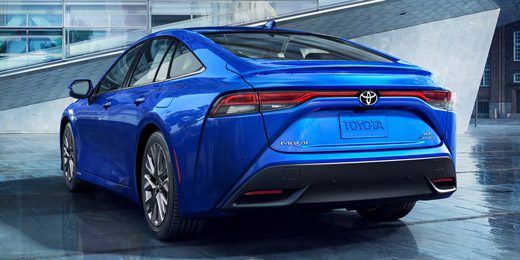
Beyond substantial discounts on the vehicle itself, Toyota has offered free hydrogen fuel cards worth $15,000 and highly attractive 0% APR financing schemes.
It is noteworthy that these promotions are often regional, primarily concentrated in areas with relatively developed hydrogen infrastructure like California. This regionalized strategy further intensifies price differences between global markets.
03 Usage Challenges: The Global Reality of High Costs and Inconvenience
Behind the price differences of the Toyota Mirai lie the global usage challenges facing hydrogen vehicles. The foremost issue is the cost of hydrogen fuel. In the U.S., the price per kilogram of hydrogen has skyrocketed from about $13 in 2021 to around $36 in 2024.
This means refueling a Mirai now costs over $200, making daily operation extremely uneconomical. Beyond price, the number and reliability of hydrogen refueling stations present a global challenge.
Another critical issue is the range controversy. A group of U.S. owners collectively sued Toyota, claiming the Mirai‘s actual range is far lower than the advertised 647 km (approximately 402 miles).
This “range anxiety” is particularly pronounced in regions with insufficient hydrogen infrastructure, directly affecting consumer purchase intent. This is also a key reason many potential buyers turn to electric vehicles, especially in markets like China with its well-developed EV charging network.
04 Underlying Contradiction: Global Imbalance Between Technology and Infrastructure
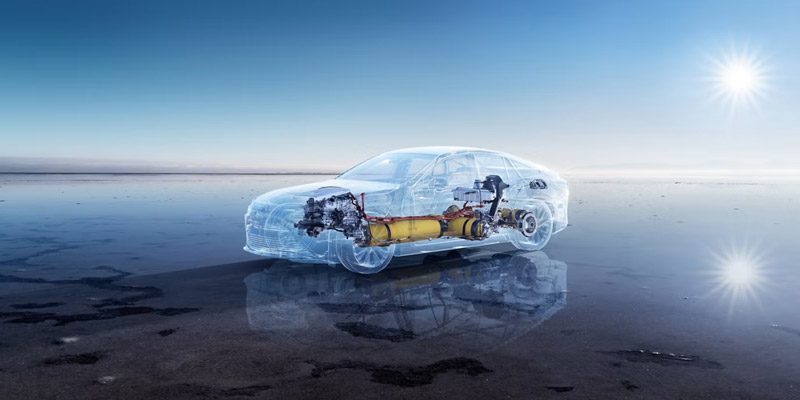
The pricing phenomenon of the Toyota Mirai reveals a deeper contradiction in promoting hydrogen energy technology. From a technical standpoint, Toyota’s hydrogen fuel cell technology itself is not backward.
In fact, Toyota has already launched its third-generation hydrogen fuel cell system, claiming significant improvements in cost, durability, and power density. However, advanced technology cannot compensate for a lack of infrastructure.

Meanwhile, the global electric vehicle charging network is expanding at an unprecedented rate. Taking the Chinese market as an example, by the end of 2023, the number of public charging piles exceeded 2.5 million, forming an extensive charging network.
This massive infrastructure disparity places hydrogen vehicles at a competitive disadvantage in most global markets. Even if the vehicle’s price drops, the inconvenience of the usage environment still hinders widespread adoption.
05 Strategic Considerations: Toyota’s Global Layout and Future Outlook
The pricing strategy for the Toyota Mirai reflects the strategic calculations of an automaker during the energy transition period. On one hand, through significant price reductions, Toyota can clear existing inventory to make way for a new generation of hydrogen fuel cell models.
On the other hand, this is also a form of market testing, helping Toyota understand the acceptance and price sensitivity of different markets towards hydrogen cars. Especially in the Chinese market, although the Mirai is priced high, Toyota is likely more focused on brand image and technological showcase, a nuance often explored in-depth by experts reviewing the landscape of Chinese cars for sale.
Looking forward, Toyota has not abandoned its hydrogen energy path. Conversely, the company is promoting the application of hydrogen energy in areas like commercial vehicles, seeking more suitable market entry points.
However, in the passenger vehicle sector, the global price dilemma of the Mirai is likely to persist until breakthroughs are made in hydrogen infrastructure construction and cost control. For observers focused on “Chinese cars for sale” trends, the Mirai‘s experience provides a classic case study on the commercialization of new technologies.
Although the global pricing strategy for the Toyota Mirai may seem contradictory, it accurately reflects the real difficulties facing hydrogen vehicles. The steep discounts in the U.S. market expose global issues of insufficient hydrogen infrastructure and high usage costs, while the high pricing in China reflects considerations of technology demonstration and brand positioning.
As global new energy vehicle competition enters a new phase, hydrogen fuel cell vehicles stand at a critical crossroads. They may find breakthroughs in specific markets and fields, but for passenger car mass adoption, they still face intense competition from electric vehicles with their continuously improving charging networks and continuously decreasing prices.


