

When buying or maintaining a car, one of the most common questions drivers have is, “How long does a vehicle inspection take?” Whether you’re purchasing a new car, checking second-hand models, or exploring Chinese cars for sale, understanding the inspection process can help you plan better and avoid unnecessary delays.
What Is a Vehicle Inspection?
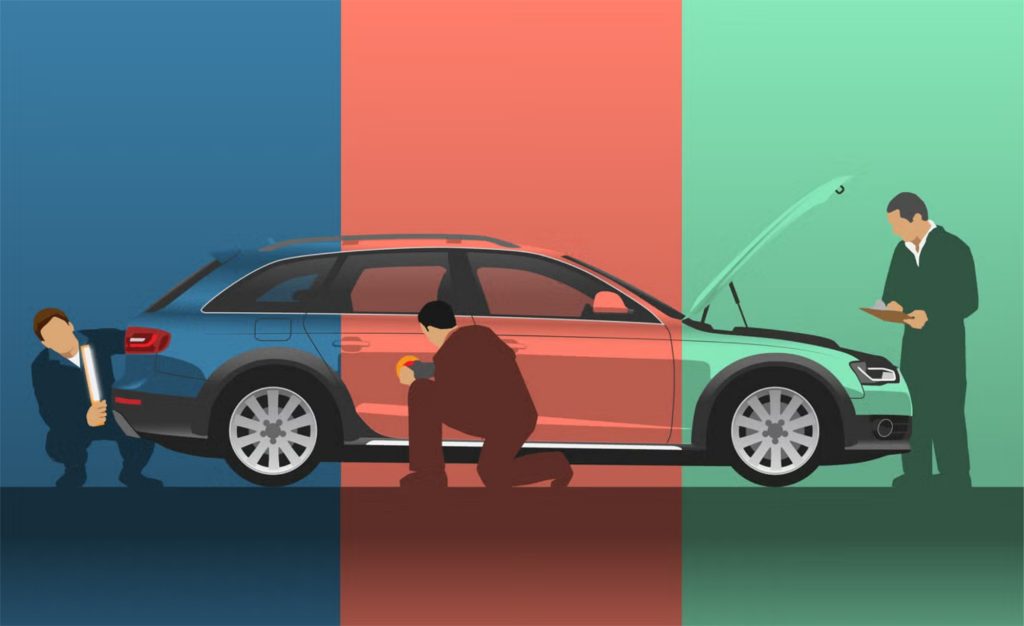
A vehicle inspection is a detailed examination that ensures a car meets safety, performance, and environmental standards. The inspection may include testing tires, brakes, lights, fluid levels, emissions, and even the engine. In most countries, a vehicle inspection is mandatory to keep the car legally roadworthy.
For new vehicles, especially the growing range of Chinese cars for sale, inspections also confirm that design, parts, and systems meet local compliance and quality regulations before registration.
Average Time for a Vehicle Inspection
The time required for a vehicle inspection depends on several factors: the type of inspection, the condition of the vehicle, and local requirements. On average:
- A basic safety inspection usually takes 20 to 30 minutes.
- A comprehensive or full inspection may take 45 minutes to 1 hour.
- An emissions or smog test typically requires around 15 minutes.
However, if issues are found—like brake wear, fluid leaks, or faulty lights—the process can take longer since some repairs may be needed before passing. Busy inspection centers or peak traffic seasons may also increase waiting times.
Main Stages of a Vehicle Inspection
A typical inspection follows a systematic process:
- Document check: The technician verifies your registration, insurance, and identification.
- Exterior and interior inspection: This includes checking lights, mirrors, windshield wipers, seat belts, and horn to ensure everything functions correctly.
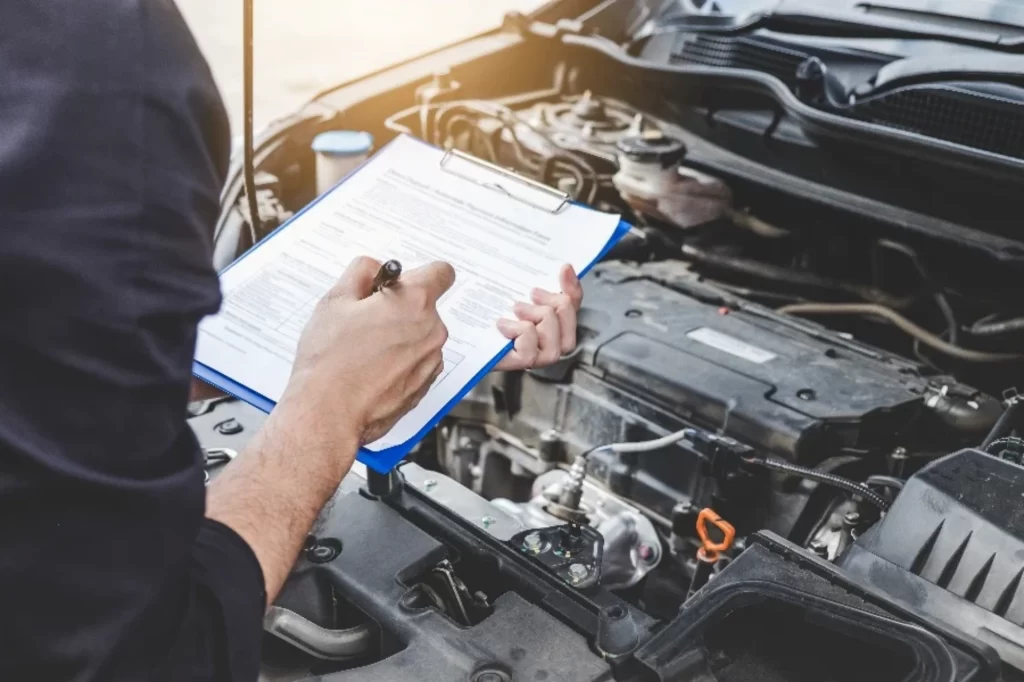
- Engine and under-the-hood inspection: Technicians inspect fluid levels, battery condition, and signs of leaks.
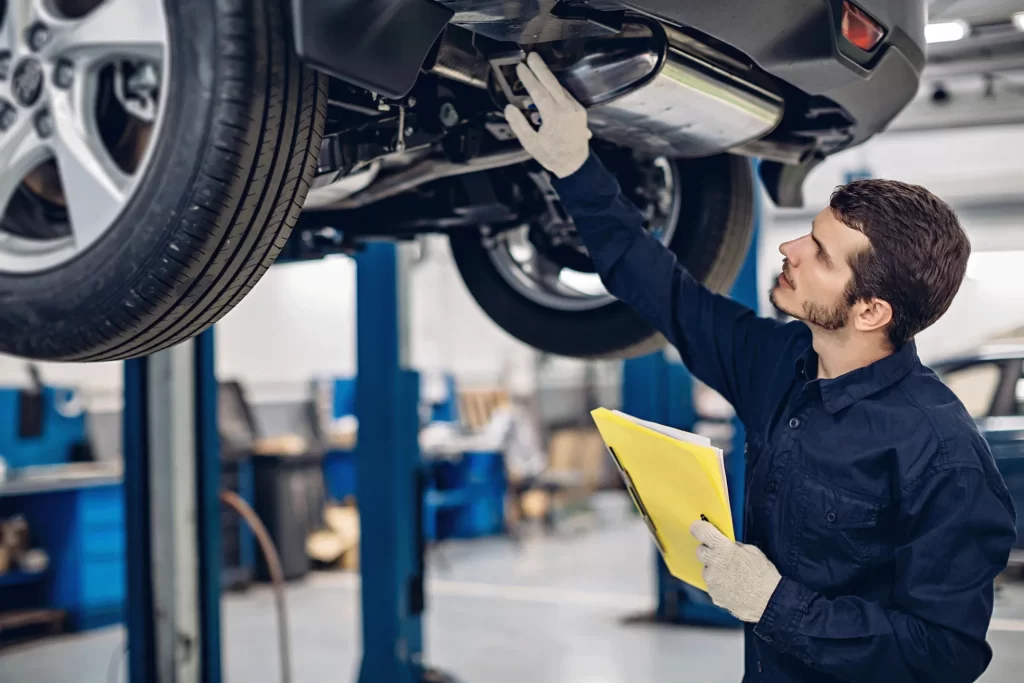
- Undercarriage check: The suspension, brakes, tires, and exhaust system are examined.
- Emission test: For regions requiring it, special sensors measure exhaust gases to confirm they meet environmental standards.
- Result and certification: Once complete, the vehicle receives a pass certificate or a list of repairs needed.
This organized process ensures every part of the car operates efficiently and safely.
Why Vehicle Inspections Are Essential
Skipping or delaying a vehicle inspection can lead to serious consequences. Safety inspections help identify hidden problems early, preventing accidents or costly future repairs. In many places, failing to maintain a valid inspection can result in fines or the suspension of your registration.
For businesses or individuals exploring Chinese cars for sale, thorough inspections are even more critical. While many Chinese automakers now produce high-quality, affordable vehicles, it’s still wise to have an independent inspection to verify performance, build quality, and emission compliance in your region.
Vehicle Inspections for Chinese Cars for Sale
The popularity of Chinese cars for sale has grown rapidly in global markets due to their affordability, features, and innovation. Brands such as BYD, Geely, Chery, and MG now compete with major international manufacturers. However, when buying imported vehicles, inspection regulations can differ depending on your country’s laws.
Here’s what you should know when inspecting Chinese cars:
- Regulatory compliance: Ensure the model meets your country’s emission and safety standards.
- Warranty and documentation: Verify that the inspection report and warranty documents are authentic and come from authorized dealers.
- Parts and service: Confirm that spare parts and local service centers are available for the brand you choose.
- Professional inspection: Even if the car is new, having a certified mechanic conduct a vehicle inspection ensures that quality standards align with your expectations.
Doing so saves time, money, and stress in the long run.
Tips to Speed Up the Inspection Process
To make your vehicle inspection go faster, you can:
- Book an appointment in advance to avoid long queues.
- Clean your car and organize documents before arriving.
- Check basic functions (like lights, horn, and tires) beforehand.
- For imported or new Chinese cars for sale, confirm that all necessary paperwork, including proof of compliance, is ready.
These small steps can significantly reduce inspection time and potential delays from missing documentation or small malfunctions.
Conclusion
In general, a vehicle inspection takes between 30 minutes and an hour, depending on the depth of the check and the condition of the vehicle. For those buying or importing Chinese cars for sale, thorough inspections serve as the key to ensuring your vehicle meets both personal expectations and legal standards. With a little preparation, the process can be smooth, quick, and stress-free—letting you drive confidently, knowing your car is safe and compliant.


