

Electric vehicles (EVs) are often praised for their efficiency, low running costs, and environmental benefits. However, one of the most common questions potential buyers ask is: what is the actual highway range of EVs in freezing winter temperatures? This concern becomes especially relevant for drivers in colder regions and for consumers considering newer market options, including Chinese cars for sale, which are increasingly entering global EV markets.
Why Cold Weather Reduces EV Range
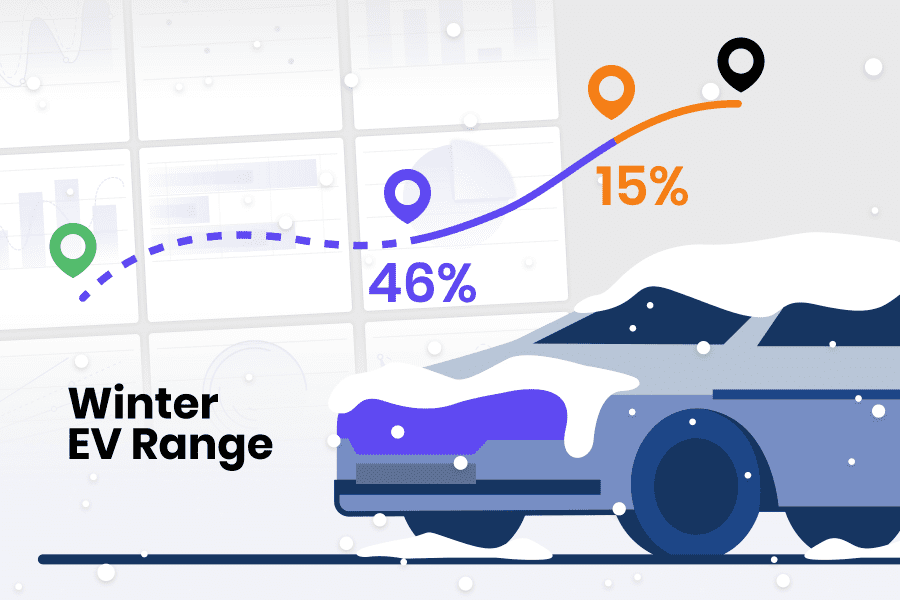
In real-world winter conditions, EV range can drop significantly—often by 20% to 40%, and in extreme cold, even more. There are several reasons for this:
Battery Chemistry Slows Down
Lithium-ion batteries rely on chemical reactions that slow in low temperatures. When it’s freezing, the battery cannot release energy as efficiently, reducing available range.
Energy Used for Cabin Heating
Unlike internal combustion vehicles that use waste heat from the engine, EVs must draw power directly from the battery to heat the cabin. On highways, sustained heating can noticeably drain range.
Increased Rolling and Air Resistance
Cold air is denser, which increases aerodynamic drag at highway speeds. Winter tires also create more rolling resistance, further reducing efficiency.
Real Highway Range vs. Advertised Range
Most EVs are rated using standardized test cycles such as WLTP or EPA, which are conducted in mild conditions. In freezing highway driving, real-world performance often looks very different.
For example:
- An EV rated for 400 km (250 miles) may realistically deliver 260–320 km (160–200 miles) on the highway at -5°C to -10°C.
- At temperatures below -15°C, combined with high speeds and heater use, range can fall to 50–60% of the official figure.
This applies not only to Tesla or European brands but also to newer EVs, including Chinese cars for sale, which are gaining popularity due to competitive pricing and rapidly improving technology.
Do Heat Pumps Really Help?
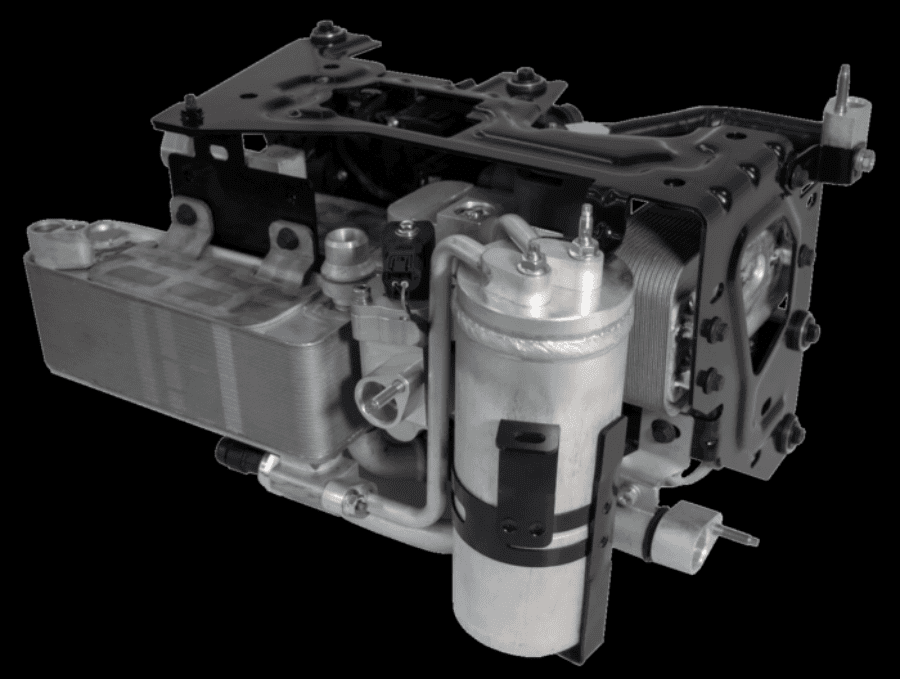
Many modern EVs now include heat pumps, which are far more efficient than traditional resistive heaters. Heat pumps can significantly reduce winter range loss, especially at temperatures between 0°C and -10°C.
Vehicles equipped with heat pumps often see:
- 10–15% less range loss compared to EVs without them
- More stable highway efficiency in moderate winter conditions
Several Chinese EV manufacturers have begun integrating heat pumps as standard or optional equipment, making newer Chinese cars for sale more competitive in cold-weather markets.
Highway Driving Makes Winter Loss More Obvious
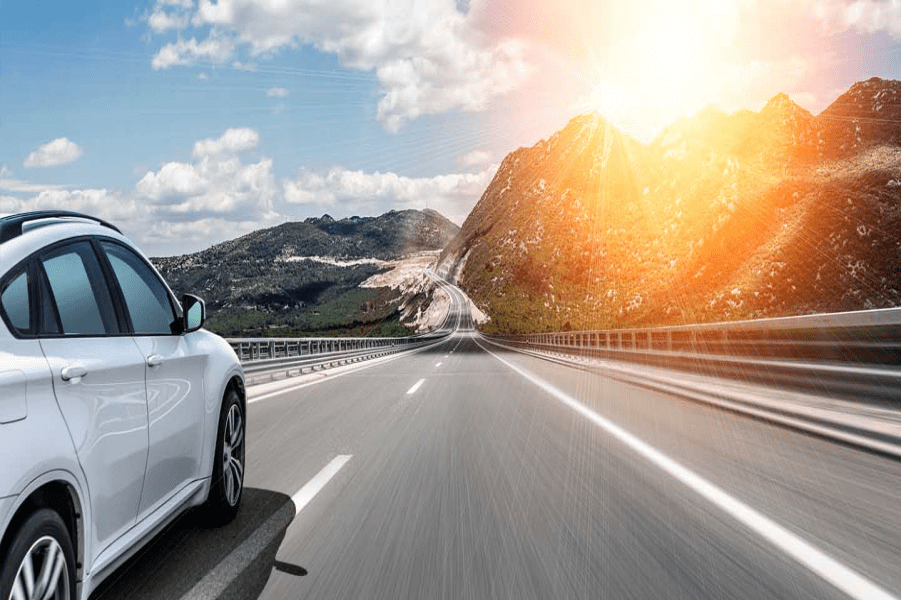
City driving allows regenerative braking and lower speeds, which can partially offset cold-related losses. Highway driving, however, is less forgiving:
- Constant high speed increases drag
- Regenerative braking is minimal
- Cabin heating runs continuously
As a result, winter range loss is most noticeable on long highway trips, especially when cruising above 110 km/h (68 mph).
How Drivers Can Maximize Winter Highway Range
While physics can’t be cheated, drivers can reduce the impact of cold weather:
Precondition While Plugged In
Warm the battery and cabin before departure using grid power.
Lowe Highway Speeds
Dropping speed from 120 km/h to 100 km/h can meaningfully improve winter range.
Use Set and Steering Wheel Heaters
These consume far less energy than heating the entire cabin.
Plan Charging Stops Carefully
Cold batteries charge more slowly, so warming the battery before fast charging is critical.
These tips apply universally, whether driving a premium European electric vehicles or one of the newer Chinese cars for sale now available internationally.
Are Newer EVs Improving Winter Performance?
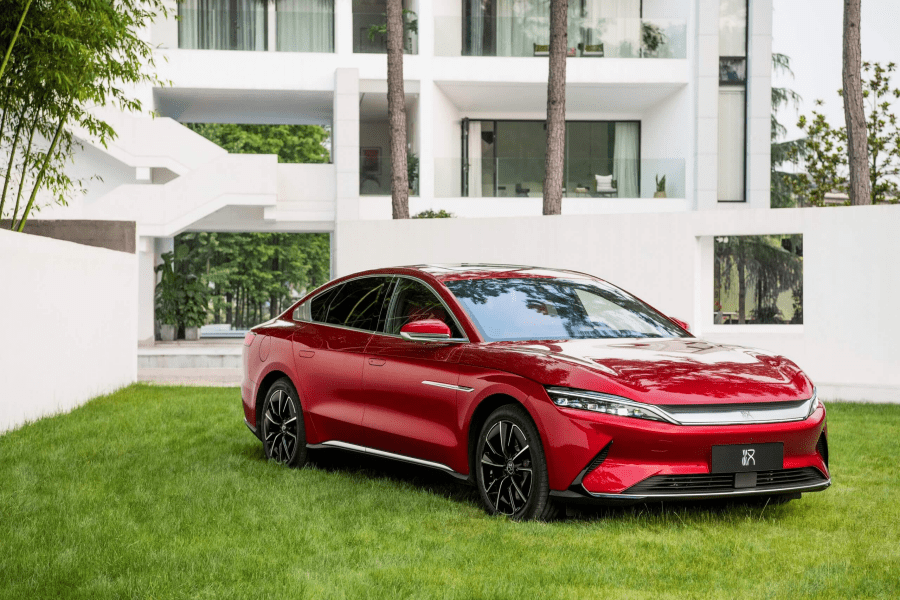
Yes. Battery thermal management systems are improving rapidly. Many 2024–2025 EV models feature:
- Advanced battery insulation
- Smarter software that limits cold-induced power loss
- Faster battery warm-up before DC fast charging
Chinese manufacturers, in particular, are investing heavily in cold-climate testing to make their vehicles more appealing in Europe, Canada, and Northern Asia.
Final Thoughts
So, what is the actual highway range of electric vehicles in freezing winter temperatures? The honest answer is: expect 60–80% of the official range, depending on temperature, speed, and vehicle technology. While winter driving remains a challenge for EVs, improvements in heat pumps, battery management, and overall efficiency are narrowing the gap every year.For buyers evaluating the growing number of Chinese cars for sale, winter range should be carefully considered—but it’s no longer the deal-breaker it once was. With realistic expectations and smart driving habits, EVs can still be reliable companions even in the coldest months.


