

- What Is Poor-Quality Fuel?
-
How Does Poor-Quality Fuel Quietly Destroy Your Engine?
- First, knocking and pre-ignition strike at the very heart of the engine.
- Second, carbon deposit buildup clogs precision components.
- Third, high sulfur content and moisture bring corrosion and wear.
- Fourth, fuel dilution of engine oil deprives the engine of its “blood”.
- Finally, the emission system will also suffer catastrophic damage.
- Understanding Global Differences to Better Protect Your Car
- Watch Out for These Signs of Long-Term Failure
- How to Proactively Prevent and Deal with It?
- The Conclusion Is Clear: The Long-Term Harm Is Huge, and Proactive Choice Is Crucial
In your daily driving, fuel quality may determine the “lifespan” of your engine. Many car owners have asked the same question: Will adding a tank of poor-quality fuel immediately ruin the engine? Usually not. However, long-term use of substandard fuel will absolutely cause serious and costly long-term failures. This is not alarmist. From a global perspective, fuel standards vary greatly from region to region. Understanding these differences will make you realize why the long-term health of your engine is firmly in your own hands.
What Is Poor-Quality Fuel?
Poor-quality fuel is by no means a single concept. It broadly refers to any fuel that does not meet the design requirements of the engine manufacturer. Specifically, it includes the following common situations.
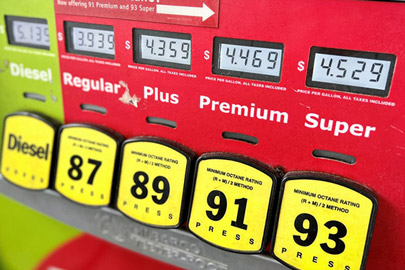
First, insufficient octane or cetane number. Gasoline engines require an appropriate octane number to prevent knocking. Diesel engines rely on a sufficient cetane number to ensure smooth ignition. Second, the fuel contains excessive impurities. These impurities include sulfur, moisture, sediments and gums. Third, the fuel is adulterated. Some unscrupulous businesses mix methanol, industrial solvents or even water into the fuel. Ultimately, all these fuels lack the cleaning additives essential for modern engines.
Regulation of fuel quality varies dramatically around the world. In Europe, North America and Japan, fuel standards are extremely stringent. For example, the European Union’s Euro 6 standard limits gasoline sulfur content to a very low level of under 10 ppm. Top-tier fuels are also rich in high-efficiency cleaning additives. However, in some developing countries or regions, high-sulfur fuel and adulterated fuel are still circulating on the market. This global quality gap makes long-term engine failure a thorny problem that crosses national borders.
How Does Poor-Quality Fuel Quietly Destroy Your Engine?
Poor-quality fuel does not destroy an engine without a sound. It causes a series of damages slowly and continuously. Eventually, these damages accumulate and evolve into costly mechanical failures. Let’s break down this process below.
First, knocking and pre-ignition strike at the very heart of the engine.
Low-octane gasoline cannot withstand the high compression ratio of modern engines. It will self-ignite prematurely, producing violent knocking. Knocking is like continuously hammering the top of the piston. Over time, the piston ring lands will crack, spark plug electrodes will melt, and even connecting rods can bend. Proactively using high-grade fuel is precisely to protect the engine from this chronic, fatal internal injury.
Second, carbon deposit buildup clogs precision components.
Poor-quality fuel contains a large amount of unstable olefins and gums. They cannot burn completely. As a result, hard carbon deposits form on intake valves, fuel injectors, and inside the combustion chamber. These carbon deposits absorb the injected fuel, disrupting the air-fuel ratio. Carbon deposits on intake valves also obstruct airflow, causing the valves to not close tightly. For modern engines using gasoline direct injection (GDI) technology, carbon buildup is especially deadly. Carbon on the injector nozzles distorts the spray pattern and severely reduces combustion efficiency. Over the long term, this leads to misfires, rough idling, and loss of power.
Third, high sulfur content and moisture bring corrosion and wear.
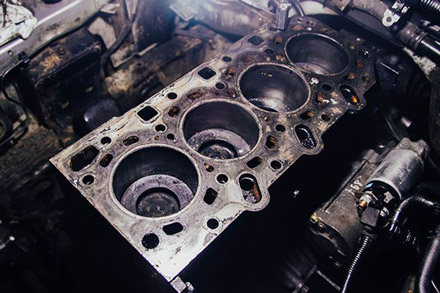
Sulfur is the “invisible killer” in fuel. After combustion, high-sulfur fuel generates highly corrosive sulfuric acid. It continuously erodes cylinder walls, piston rings, and the exhaust system. Moisture causes metal parts to rust. It also provides a breeding ground for microbial growth, and these organisms can clog the fuel filter. Even more terrifying, tiny impurity particles act like sandpaper, wearing down the high-pressure fuel pump and precision injectors. Modern diesel common rail systems and gasoline direct injection systems operate at extremely high pressures and have no defense against the damage from poor-quality fuel. Once precision components are damaged, repair costs can reach tens of thousands of yuan.
Fourth, fuel dilution of engine oil deprives the engine of its “blood”.
Poor-quality fuel that fails to burn completely flows down the cylinder walls into the oil pan. It directly dilutes the engine oil. Thinned oil loses its crucial lubricating and heat-dissipating capabilities. This leads to severe wear on the crankshaft, bearings, and camshaft. At the same time, gums in poor-quality fuel accelerate oil oxidation, generating black sludge. This sludge clogs the oil passages and can paralyze the entire lubrication system. In short, poor-quality fuel makes the engine lose its protective layer without you noticing.
Finally, the emission system will also suffer catastrophic damage.
Long-term failures are not limited to the inside of the engine. Contaminated exhaust gases will gradually poison the oxygen sensors and the three-way catalytic converter. In diesel engines, the particulate filter will also become clogged due to excessive carbon deposits. As a result, the check engine light on the dashboard will keep coming on. The vehicle may even go directly into limp mode. The cost of replacing these precision after-treatment components often catches car owners off guard.
Understanding Global Differences to Better Protect Your Car
You need to know that even within the same country, the quality of fuel at different gas stations can vary drastically. Gas stations of globally renowned brands usually strictly control quality and add sufficient amounts of cleaning additives. Some small, unknown stations, however, carry higher risks. When you travel across borders, or drive into remote areas, this risk increases dramatically. Therefore, whether you are in New York, London, or New Delhi, proactively choosing a reputable gas station is the first line of defense to protect your engine.
Watch Out for These Signs of Long-Term Failure
Your car will “speak” through its actual performance. If, after long-term use of fuel from a certain source, you experience the following conditions, be on alert immediately:
- Power output noticeably weakened, sluggish acceleration.
- Unexplained increase in fuel consumption.
- Cold starts becoming increasingly difficult, or severe idling vibration after starting.
- A distinct metallic knocking sound from the engine under load.
- Pungent exhaust odor, or black smoke coming from the exhaust pipe.
- The check engine light coming on frequently.
None of these are normal aging phenomena. They are highly likely signs of chronic damage caused by poor-quality fuel.
How to Proactively Prevent and Deal with It?
Prevention is always better than expensive repairs. First, only refuel with the fuel grade recommended by the car manufacturer. Second, whenever possible, choose gas stations with brand reputation and high customer traffic. Then, replace the fuel filter regularly to block contaminants that slip through. Additionally, if you frequently drive in areas where fuel quality is uncertain, or your car is a sophisticated gasoline direct injection model, you can periodically use a high-quality fuel system cleaning additive. It can help remove early carbon deposits and restore injector efficiency. If you have already confirmed that you have filled up with poor-quality fuel, do not take any chances. Proactively have the entire fuel system cleaned at a professional repair shop. This can stop short-term contamination from turning into permanent damage.
The Conclusion Is Clear: The Long-Term Harm Is Huge, and Proactive Choice Is Crucial
Returning to the original question: Can poor-quality fuel cause long-term engine failure? The answer is an absolute yes. It will not break down your car immediately, but it will corrode, clog, and wear down the heart of your vehicle day after day. From a global perspective, the problem of poor-quality fuel is widespread, but every car owner has the wisdom to choose. Proactively choosing clean, high-quality fuel is equivalent to buying the most reliable “health insurance” for your engine. Do not try to save a little money per liter and end up paying a repair bill you absolutely do not want to see. Give your engine what it truly needs, and it will reliably accompany you on longer journeys.


