

- 1. Maintain Smooth Acceleration and Drive Predictably
- 2. Regularly Check Tire Pressure
- 3. Reduce Unnecessary Vehicle Load
- 4. Choose the Correct Grade of Engine Oil
- 5. Use Air Conditioning and Windows Wisely
- 6. Plan Routes and Avoid Congestion
- 7. Pay Attention to Vehicle Technology Upgrades and Market Trends
Against the backdrop of fluctuating global oil prices, improving fuel efficiency has become a common goal for every vehicle owner. Whether you are in the United States, Germany, Japan, or the most active cities in the market of chinese cars for sale, reducing fuel consumption not only lowers daily expenses but also contributes to environmental protection. The following tips, based on global driving experience, will help you achieve efficient driving with ease.
1. Maintain Smooth Acceleration and Drive Predictably
Sudden acceleration and hard braking significantly waste fuel. Actively observe the road ahead, release the accelerator early, and allow the vehicle to decelerate naturally by coasting. For example, on urban roads in Sydney, Australia, frequent stop-and-go driving can increase fuel consumption by nearly 30%. Conversely, starting smoothly and maintaining a constant speed keeps the engine operating within its most efficient range.
2. Regularly Check Tire Pressure
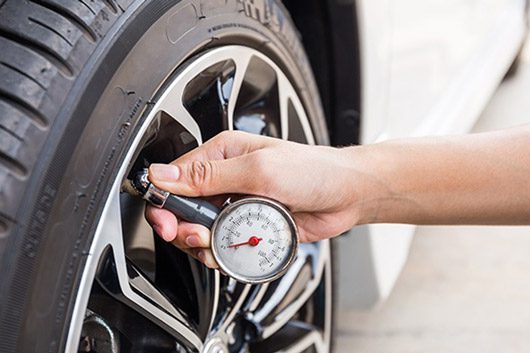
Underinflated tires increase rolling resistance, directly reducing fuel economy. Global data shows that when tire pressure is 0.3 bar (about 4.4 psi) below the standard value, fuel consumption may increase by more than 5%. It is recommended that you use a reliable pressure gauge to check monthly. For instance, in the United States, a free tire pressure check at a chain auto repair shop in California can help car owners save about $15 per month on fuel costs.
3. Reduce Unnecessary Vehicle Load
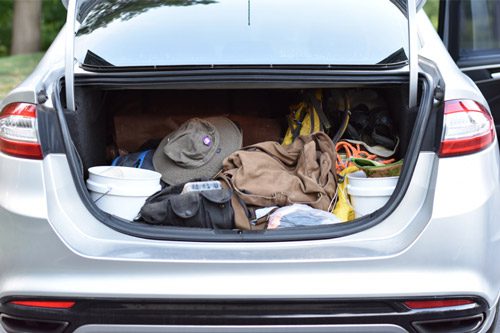
Roof racks and clutter stored long-term in the trunk increase both air resistance and vehicle weight. For every additional 50 kilograms of weight, fuel consumption rises by approximately 2%. In Europe, such as on the unlimited speed highways in Germany, excessive load can also affect stability during high-speed cruising. Please clear out infrequently used items and install external carriers only when needed.
4. Choose the Correct Grade of Engine Oil
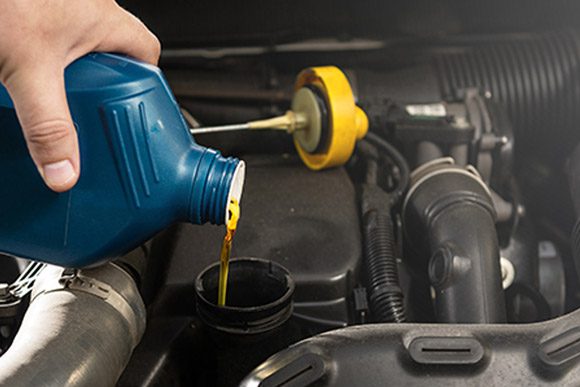
Using low-viscosity engine oil in the grade recommended by the manufacturer reduces internal engine friction. In Ontario, Canada, many repair shops point out that after switching to 0W-20 full synthetic oil, a vehicle’s fuel efficiency during cold starts in winter can improve by about 2%. Please refer to your vehicle owner’s manual rather than blindly pursuing high-priced products.
5. Use Air Conditioning and Windows Wisely
At low speeds, opening windows for ventilation is more fuel-efficient than using the air conditioner; however, at high speeds (such as above 80 km/h), the wind resistance from open windows consumes more fuel. Taking the intercity highways in Tokyo, Japan, as an example, closing windows and using the air conditioner moderately during high-speed driving in summer is a common and efficient strategy among local drivers.
6. Plan Routes and Avoid Congestion
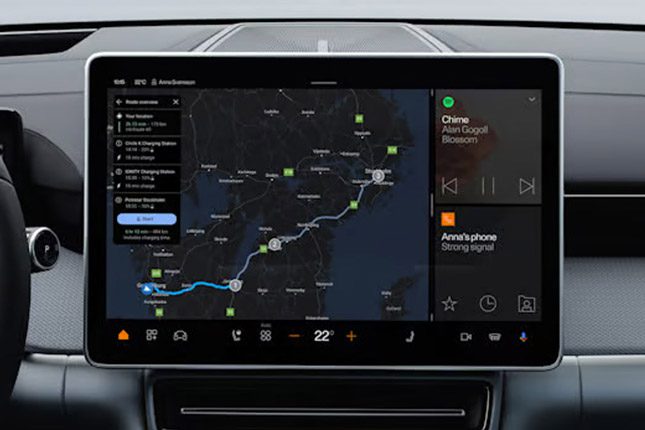
Plan your travel route in advance to avoid frequent starts and stops. Nowadays, mainstream navigation apps worldwide provide real-time traffic information. For example, in São Paulo, Brazil, using navigation to avoid peak congestion hours can reduce fuel consumption for a single commute by about 15%. Try to combine short trips, as engine fuel consumption in a cold state is much higher than when the engine is warm.
7. Pay Attention to Vehicle Technology Upgrades and Market Trends
New vehicle technologies are crucial for improving fuel efficiency. Today, in the chinese cars for sale market, the proportion of hybrid and high-efficiency internal combustion engine models continues to rise. Many vehicles are now equipped with intelligent start-stop systems and energy recovery systems. If you are planning to replace your car, you may pay attention to these technologies and refer to the real-world fuel consumption data from sources such as the U.S. Consumer Reports or Germany’s ADAC. Globally, choosing a vehicle with excellent fuel economy is fundamental to long-term cost savings.
Improving fuel efficiency is not complicated. You just need to focus on three aspects: smooth driving, regular maintenance, and thoughtful planning. Every small change can accumulate into substantial savings on any road around the world. Take proactive action to make every drop of fuel count.


