

- I. Why Fuel-Efficient Driving Matters More Than Ever Now
- II. Driving Habits: The Most Direct and Effective Way to Save Fuel
- III. Vehicle Maintenance: The Fuel-Saving Key Overlooked by 90% of Drivers
- IV. Advanced Techniques: What Is Hypermiling?
- V. Fuel-Saving Strategies for Different Driving Conditions
- VI. Vehicle Selection Guide: Which Cars Are More Fuel-Efficient?
- VII. Common Misconceptions: These “Fuel-Saving Tips” Actually Waste More Gas
- VIII. Conclusion: Start Making Changes Now, and Make Every Drop Go Further
Fuel prices continue to climb. According to projections from the U.S. Energy Information Administration, the average retail gasoline price in the United States in 2026 has already surpassed $3.34 per gallon, with some regions approaching the $4.00 threshold. In certain European and Asian markets, the equivalent of $10 per gallon has become a reality. Meanwhile, global vehicle ownership continues to grow—worldwide automobile sales reached 96.89 million units in 2025. In this environment, no matter what kind of car you drive, mastering fuel-efficient driving techniques has become more important than ever before.
The good news is: you don’t need to immediately trade in your car for a new one to save money. Adjusting your driving habits can reduce fuel consumption by 15% to 30%, and in some cases even more. What follows is a complete, practical, and universally applicable fuel-saving driving strategy—covering everything from basic habits to advanced techniques, and from routine maintenance to vehicle selection advice—broken down step by step.
I. Why Fuel-Efficient Driving Matters More Than Ever Now
In 2026, the global gasoline market is undergoing profound changes. Geopolitical tensions in the Middle East have led to structural gaps in oil supply. Several refineries have closed without timely replacement capacity being built. These factors combine to push fuel prices into a “new normal”—persistently high prices are no longer short-term fluctuations but a long-term trend.
At the same time, global attention to fuel economy is rising to unprecedented levels. Research by TomTom indicates that adopting eco-driving techniques in urban environments can reduce fuel consumption by 10% to 20%. Data from CAA-Quebec shows that driving at 100 km/h instead of 120 km/h can lower fuel consumption by approximately 20%.
Whether you are in North America, Europe, Asia, or anywhere else, mastering fuel-efficient driving techniques is a tangible “money-saving skill.”
II. Driving Habits: The Most Direct and Effective Way to Save Fuel
1. Gentle Acceleration and Smooth Braking
Hard acceleration and sudden braking are two major enemies of fuel economy. The Royal Automobile Club in the UK suggests imagining a raw egg under the accelerator pedal—you don’t want to crush it. Data from TomTom shows that aggressive acceleration and braking habits can reduce fuel economy by 15% to 30% on highways and 10% to 40% in stop-and-go city traffic.
It is recommended to shift gears around 2,000 to 2,500 rpm. For automatic vehicles, avoid prolonged use of sport mode, as it delays gear changes and consumes more fuel.
2. Maintaining a Constant Speed
Significant fluctuations in speed are a primary cause of increased fuel consumption. Experts from Michelin advise drivers to anticipate traffic conditions ahead and decelerate smoothly rather than braking frequently. In real-world testing, the RAC found that the most fuel-efficient speed for an Audi A6 ultra was approximately 52 mph (about 84 km/h).
On highways, use cruise control whenever possible. Cruise control systems can eliminate micro-accelerations caused by driver foot fatigue, maintaining a constant fuel flow. However, be aware that on hilly terrain with significant elevation changes, cruise control may actually increase fuel consumption.
3. Maintaining an Economical Speed
Every vehicle has an “optimal range” for fuel efficiency. For most gasoline-powered cars, this range is typically between 80 and 90 km/h. Exceeding this speed causes aerodynamic drag to increase exponentially, leading to a sharp rise in fuel consumption. Research by SlashGear indicates that driving at 75 mph consumes approximately 30% more fuel than driving at 55 mph.
4. Anticipating Traffic Flow
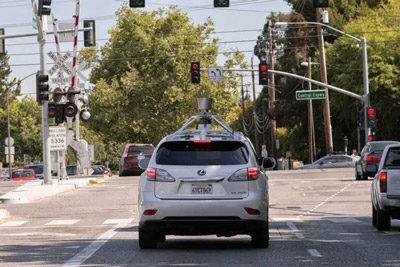
See a red light 200 meters ahead? Ease off the accelerator now. Coasting to a stop consumes zero fuel, whereas accelerating toward the red light and then slamming on the brakes wastes the kinetic energy you just paid to generate. Defensive driving not only improves safety but also significantly reduces fuel consumption.
5. Reducing Idling Time
If you need to wait in place for more than a minute (and you are not in a normal traffic flow), turn off the engine. Idling consumes fuel while covering zero distance. Restarting a modern engine uses less fuel than idling for 60 seconds. Many new cars come equipped with automatic start-stop systems; ensure this feature remains activated.
6. Judicious Use of Air Conditioning and Windows
When driving at highway speeds (above 80 km/h), keep the windows closed. The aerodynamic drag created by open windows significantly increases fuel consumption. However, at lower speeds, opening windows is more fuel-efficient than running the air conditioner. When using the A/C, do not set the temperature to the absolute lowest setting—around 25°C (77°F) combined with a higher fan speed is a good choice.
III. Vehicle Maintenance: The Fuel-Saving Key Overlooked by 90% of Drivers
1. Check Tire Pressure Monthly
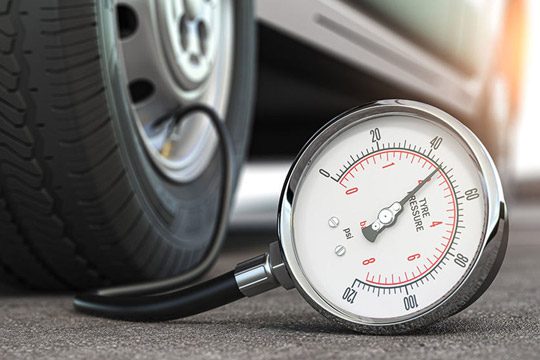
This is one of the most overlooked yet most effective fuel-saving tips. Underinflated tires increase rolling resistance, much like riding a bicycle with a flat tire—you have to exert more effort to pedal. The RAC reminds vehicle owners to check tire pressure at least once a month according to the recommended values in the owner’s manual. When carrying a heavy load (e.g., full passengers and luggage), inflate tires to the recommended upper limit.
2. Reduce Vehicle Weight
Weight equals fuel consumption. Items perpetually stored in the trunk—miscellaneous clutter, golf clubs, toolboxes—make the engine work harder. Regularly clear out unnecessary items. Additionally, if you are not using a roof rack, remove it—it generates significant aerodynamic drag at highway speeds.
3. Regular Maintenance and Filter Replacement
A clogged air filter restricts airflow into the engine, making it work harder and consume more fuel. Regular oil changes using the recommended viscosity are equally important. Oil that is too thick increases internal engine friction and reduces efficiency.
4. Check Spark Plugs and Tighten the Fuel Cap
Worn spark plugs lead to incomplete combustion, meaning you fail to extract all the energy from every drop of fuel. A loose fuel cap allows gasoline to evaporate into the air—you are effectively paying for fuel and then watching it disappear.
IV. Advanced Techniques: What Is Hypermiling?
Hypermiling is a driving method that pursues extreme fuel efficiency, first proposed by Wayne Gerdes in 2004. Its core principle is to minimize energy loss during vehicle operation as much as possible. MG Motor defines hypermiling as the practice of “getting the maximum mileage out of a given amount of fuel.”
Safe hypermiling techniques include:
- Steady Speeds: Every gear has an optimal rpm range for economy, typically well below the redline.
- Cautious Braking: Hypermilers minimize brake usage because braking necessitates re-acceleration, both of which consume fuel.
- Reduced Idling: Shutting off the engine rather than waiting in place.
Important note: Certain extreme hypermiling practices (such as coasting with the engine off or drafting dangerously close behind other vehicles) are dangerous and not recommended. Always prioritize safety above all else.
V. Fuel-Saving Strategies for Different Driving Conditions
City Driving
Urban roads involve frequent starting and stopping, resulting in much higher fuel consumption than highway driving. Studies by the European Commission indicate that city driving can consume up to 75% more fuel compared to steady highway cruising. In the city:
- Accelerate gently; do not race to beat traffic lights.
- Anticipate road conditions ahead and ease off the throttle early to coast.
- Turn off the engine for prolonged stops exceeding one minute.
Highway Driving
The most effective fuel-saving strategies on highways are:
- Use cruise control on flat stretches of road.
- Maintain an economical speed range (80-90 km/h).
- Keep windows closed to reduce aerodynamic drag.
- Avoid frequent lane changes and overtaking.
Mountain Driving
When driving in mountainous areas:
- Accelerate before an incline begins and maintain a steady throttle rather than flooring it uphill.
- Use engine braking on descents to reduce reliance on mechanical brakes.
- Avoid using cruise control on uphill grades, as the system will aggressively apply throttle to maintain the set speed.
VI. Vehicle Selection Guide: Which Cars Are More Fuel-Efficient?
While this article focuses on driving techniques, if you are considering replacing your car, choosing a model with higher fuel efficiency is the most fundamental way to save fuel over the long term. CAA-Quebec advises: “Even a difference of just 1 L/100 km can save you hundreds of dollars per year.”
Most Fuel-Efficient Pure Gasoline Models of 2025
Based on EPA test data compiled by Cars, the pure gasoline models with the best fuel economy ratings for the 2025 model year include:
- Honda Civic: City 32 / Highway 41 / Combined 36 mpg
- Hyundai Elantra: City 32 / Highway 41 / Combined 36 mpg
- Toyota Corolla: City 32 / Highway 41 / Combined 35 mpg
- Nissan Versa: City 32 / Highway 40 / Combined 35 mpg
- Kia K4: City 30 / Highway 40 / Combined 34 mpg
Hybrid and Pure Electric Options
If your budget allows, hybrid and electric vehicles offer even greater fuel economy. According to media test data, the 2025 Honda Accord Hybrid has an EPA fuel economy rating of City 51 / Highway 44 / Combined 48 mpg. Electric vehicles outperform any mass-produced powertrain type in terms of distance traveled per unit of energy.
VII. Common Misconceptions: These “Fuel-Saving Tips” Actually Waste More Gas
Misconception 1: Coasting in Neutral Saves Fuel
In most modern vehicles, coasting in neutral actually increases fuel consumption because the engine enters idle mode and continues to receive fuel. The correct practice is to stay in gear and release the accelerator; the vehicle then enters a “fuel cut-off mode”—fuel supply is interrupted, allowing zero-fuel coasting.
Misconception 2: Refueling in the Morning is Cheaper
The change in gasoline density due to temperature is negligible. The temperature of underground storage tanks remains relatively stable throughout the day, so the “advantage” of refueling in the morning is virtually non-existent.
Misconception 3: Using Higher-Octane Fuel is Always Better
A research analyst at CAA-Quebec notes: “Higher-octane gasoline is only worthwhile if your vehicle specifically requires it—otherwise, it is simply a waste of money.” Always follow the manufacturer’s fuel octane recommendation found in the owner’s manual.
Misconception 4: Frequent Start-Stop Damages the Engine and Wastes Fuel
Modern vehicles are designed with start-stop system usage in mind. In fact, idling for more than 60 seconds consumes more fuel than a single restart.
VIII. Conclusion: Start Making Changes Now, and Make Every Drop Go Further
Fuel-efficient driving is not a one-time action but a habit. Here are the key takeaways worth saving for reference:
- Drive Smoothly: Avoid hard acceleration and sudden braking; imagine the “egg” under the gas pedal.
- Maintain Constant Speed: Keep to an economical speed of 80-90 km/h and make good use of cruise control.
- Anticipate Conditions: Observe traffic signals and flow in advance; coast more and brake less.
- Reduce Weight and Drag: Clear clutter from the trunk and remove unused roof racks.
- Maintain Regularly: Check tire pressure monthly and replace filters and oil on schedule.
- Minimize Idling: Turn off the engine when stationary for more than a minute.
Against the backdrop of persistently high global fuel prices in 2026, mastering these fuel-saving techniques will not only save you money but also reduce carbon emissions and decrease vehicle wear and tear. No matter where you are in the world or what brand of car you drive, these strategies apply equally.


