

The 2026 Nissan Leaf arrives as one of the most anticipated electric vehicles in the compact EV segment. Since its debut over a decade ago, the Leaf has been a pioneer in accessible electric mobility. For 2026, Nissan pushes the model further with improved range, refreshed styling, and enhanced technology—aiming to stay competitive amid growing pressure from global automakers and the rising popularity of Chinese cars for sale in international EV markets.
Below is a full review covering features, performance, pricing, and everything new in the 2026 model year.
A Fresh Exterior and Modern Interior
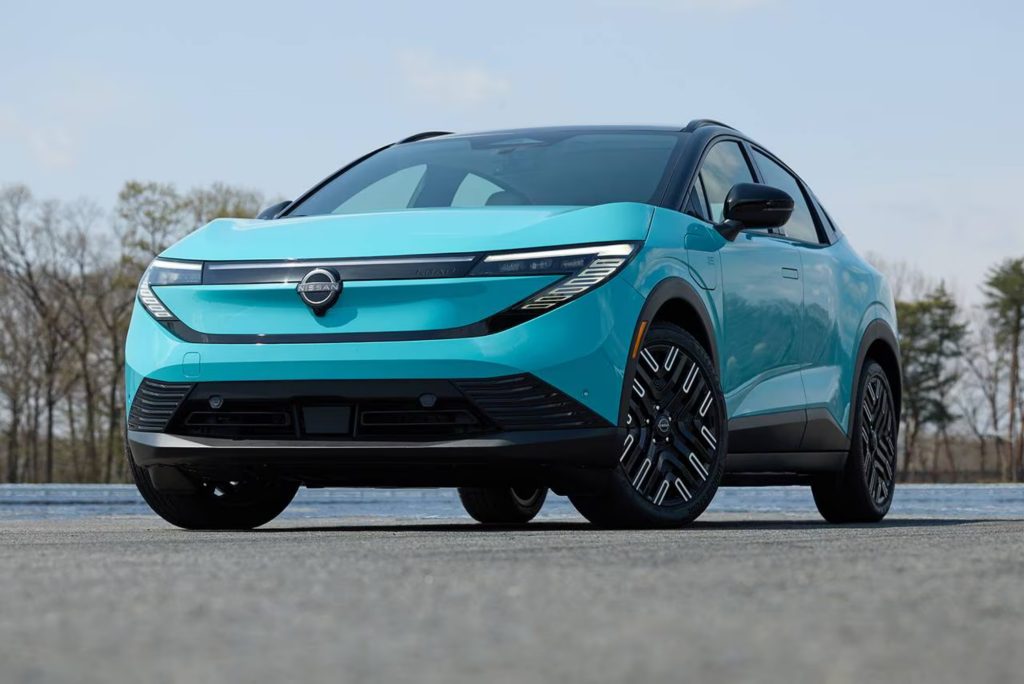
The 2026 Nissan Leaf adopts a sleeker, more aerodynamic profile inspired by Nissan’s latest EV design language. The sharper LED headlights, sculpted body panels, and a more aggressive front fascia help the Leaf stand out in a crowded EV space. Nissan has also improved airflow efficiency, contributing to better range and lower road noise.
Inside, the cabin sees a significant upgrade. The dashboard is anchored by a new 12.3-inch infotainment touchscreen with improved responsiveness and wireless smartphone integration. Higher-quality recycled materials give the interior a more premium feel, aligning with the sustainability goals of EV buyers.
Even with the updates, the Leaf retains its reputation as a practical daily commuter. The rear seats fold flat, offering generous cargo space—something that remains a selling point for anyone searching for a nissan leaf for sale as a family-friendly EV.
Performance and Driving Experience
Nissan continues to offer the Leaf in two battery configurations for 2026:
40 kWh Standard Battery
- Ideal for city driving
- Solid acceleration for urban commuting
- More affordable pricing
64 kWh Extended-Range Battery
- Stronger motor output
- Improved acceleration
- Better long-distance comfort
The 2026 Leaf delivers smoother power delivery thanks to updated motor tuning. Steering feels more precise, and Nissan has refined the suspension system to be more compliant over rough roads. While the Leaf is not designed to be a sporty EV, its predictable and efficient performance makes it an excellent choice for budget-friendly electric transportation.
Improved Range and Charging
One of the most important updates for 2026 is the range boost. The extended-range 64 kWh model now achieves an estimated 260–280 miles on a full charge depending on driving conditions. The standard 40 kWh version offers around 170–185 miles, suitable for daily commuting.
Charging improvements include:
- Faster DC fast-charging capability
- Level 2 charging upgrades for quicker home charging
- Enhanced battery cooling system for better durability
These upgrades make the 2026 Nissan Leaf more competitive with Western EV rivals, especially as more consumers compare it with affordable Chinese cars for sale that boast long-range performance and aggressive pricing.
Technology and Safety Enhancements
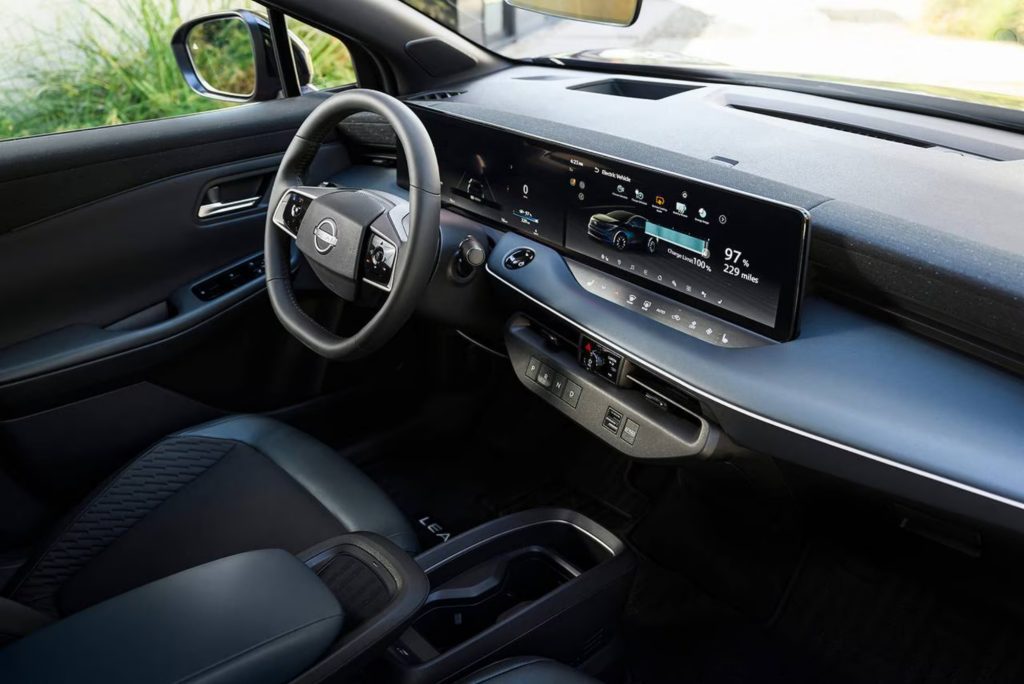
Nissan enhances the Leaf’s technology suite with several new features:
Updated ProPILOT Assist
The advanced driver assistance system now includes:
- Improved lane-keeping
- Adaptive cruise with better stop-and-go
- Highway lane-change assist
Over-the-Air Updates
The Leaf can now update key software systems automatically, allowing improvements long after purchase.
Safety Shield 360
Standard on all trims, this package includes:
- Automatic emergency braking
- Rear cross-traffic alert
- Blind-spot monitoring
- Pedestrian detection
These additions strengthen the Leaf’s value proposition for tech-minded shoppers browsing for a nissan leaf for sale in 2026 and beyond.
Pricing and Trim Levels
Nissan positions the Leaf as one of the most affordable EVs in its class. While final pricing may vary by market, expected U.S. starting prices include:
Leaf S (40 kWh): $29,500–$31,000
Leaf SV Plus (64 kWh): $35,000–$37,000
Leaf SL Plus (64 kWh): $38,000–$40,500
This pricing strategy is critical as Nissan continues to compete with both established rivals and the increasing number of chinese cars for sale that offer low-cost EV alternatives.
What’s New in the 2026 Model?
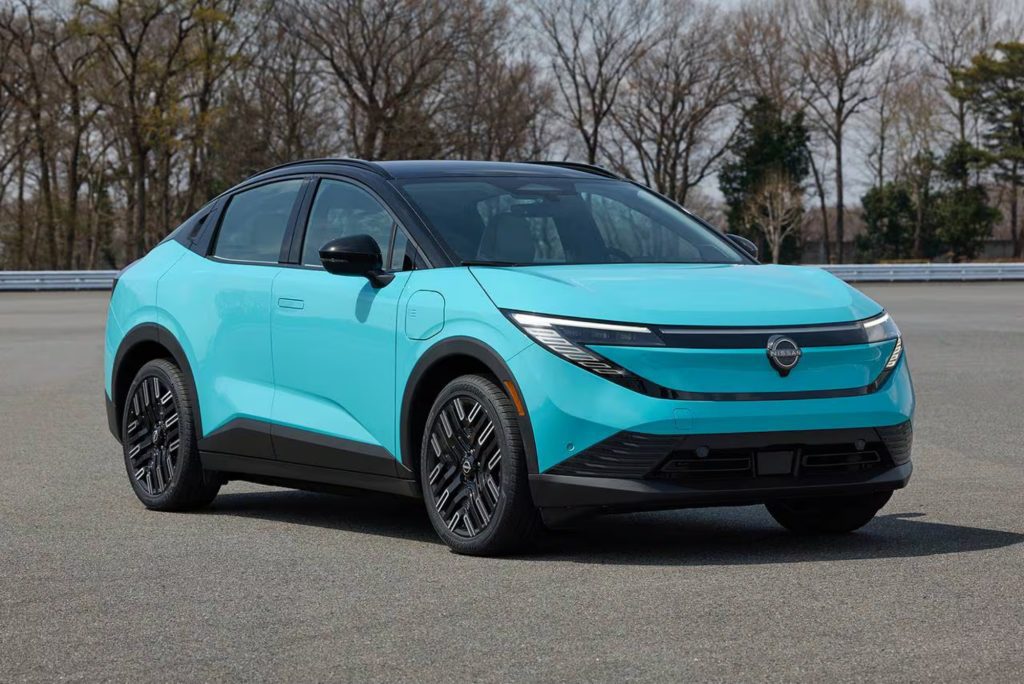
Here’s a quick summary of the biggest changes:
Improved EV range for both battery variants
- Faster charging speeds
- A refreshed exterior design
- Premium interior materials
- New 12.3-inch infotainment display
- Expanded driver-assist features
- Enhanced ride comfort and reduced road noise
These updates modernize the Leaf and ensure it remains a top contender in the compact EV category.
Final Verdict: Should You Buy the 2026 Nissan Leaf?
The 2026 Nissan Leaf is a compelling option for anyone seeking an affordable, reliable, and efficient electric vehicle. Its upgraded range, improved charging, and refined technology make it more appealing than ever—especially for drivers new to EV ownership.
Whether you’re browsing dealership listings for a nissan leaf for sale or comparing the Leaf to the growing wave of chinese cars for sale, the 2026 model stands out as a practical, eco-friendly, and budget-friendly choice.If you value efficiency, comfort, and long-term dependability, the 2026 Nissan Leaf remains one of the most solid EV investments on the market.


