

- I. Powertrain: The Last Bastion of Naturally Aspirated Engines
- II. Exterior Design: A Perfect Fusion of Low Center of Gravity and Wide Stance
- III. Interior and Technology: A Luxury Cockpit That Finally Keeps Up with the Times
- IV. Chassis and Driving Experience: An Underrated Handling Expert
- V. Safety: Comprehensive Coverage with LSS+ 3.0
- VI. Global Market Positioning: How Traditional Luxury Survives in an Era of Transformation
- VII. Competitor Comparison: The Strengths and Weaknesses of the IS 350
- VIII. Conclusion: Who Is It Made For?
The 2026 Lexus IS 350 makes a bold entrance. It decisively eliminates the entry-level four-cylinder and high-performance V8 variants, keeping only the 3.5-liter V6 naturally aspirated engine across the lineup. This is not a facelift that merely follows trends, but a carefully considered brand restructuring.
This article provides a complete analysis of the 2026 IS 350. It covers everything from performance figures to luxury features, from driving experience to market positioning. Layer by layer, it examines just how capable this “last combustion sports sedan” really is.
I. Powertrain: The Last Bastion of Naturally Aspirated Engines
Turbocharging has almost completely taken over, making the powertrain choice of the 2026 IS 350 a breath of fresh air. Opening the hood, you see a time-tested 3.5-liter V6 naturally aspirated engine. There is no turbo lag, no complex electric assistance — only pure, linear output.
Core Performance Figures
This V6 engine delivers a peak power of 311 horsepower and maximum torque of 280 lb-ft (approximately 380 N·m). More importantly, an 8-speed automatic transmission sends power to the rear wheels in the RWD version. In the AWD version, a 6-speed automatic pairs with the all-wheel-drive system. This combination ensures stable and strong driving performance under any road conditions. The RWD version accelerates from 0 to 60 mph (about 96 km/h) in only about 5.7 seconds. The AWD version is slightly slower.
Lexus has dropped the previous IS 300 (four-cylinder) and IS 500 (V8) models. This means the IS 350 becomes the sole option across the lineup. Notably, this decision raises the starting price by nearly USD 5,000 to approximately USD 46,795. Yet it also clarifies the IS product positioning — it no longer tries to please everyone, but steadfastly serves those drivers who appreciate the charm of natural aspiration.
Power Delivery: Smoothness Over Brute Force
Frankly speaking, the IS 350 does not crush its rivals on paper. The turbocharged BMW 330i achieves lower fuel consumption from a smaller displacement. The IS V6 lags slightly in peak torque output. However, the true appeal lies in the driving experience. This V6 responds with exceptional linearity — there is virtually no delay between the accelerator pedal and vehicle speed. When you bury the throttle, it does not surge suddenly like a turbo engine; instead, it continuously builds power in a composed, unhurried manner. This sensation is almost extinct today.
Moreover, Lexus’s reputation for reliability is no accident. This powertrain has no turbocharger, no complex cylinder deactivation, nor the delicate fragility of a dual-clutch transmission. What it has is a mechanical structure honed over years and widely recognized as exceptionally durable. At a time when global luxury cars are increasingly becoming “fast-moving consumer goods,” this trait is particularly precious.
II. Exterior Design: A Perfect Fusion of Low Center of Gravity and Wide Stance
The 2026 IS receives a fairly substantial exterior update, even though the overall body architecture can be traced back to the third-generation model launched in 2013.
Front-End Revamp
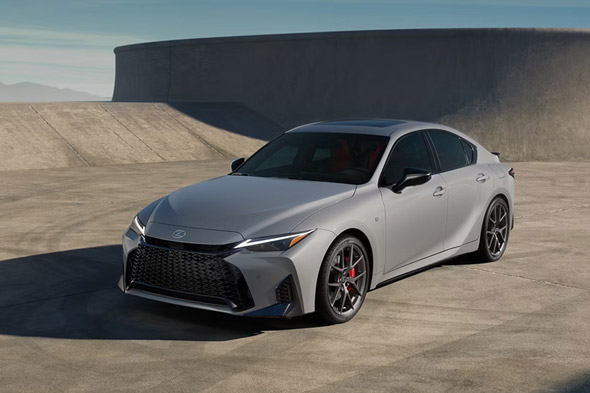
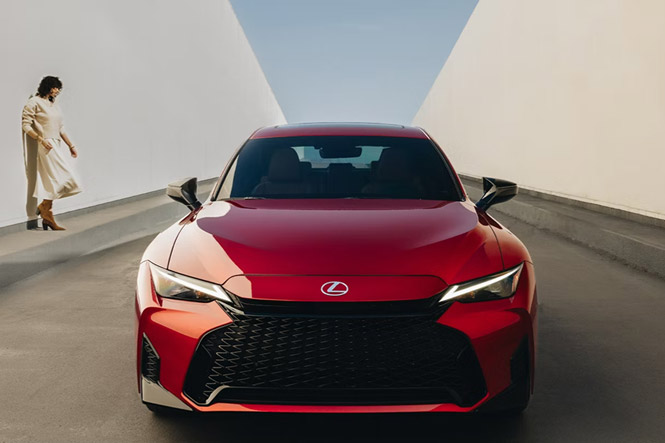
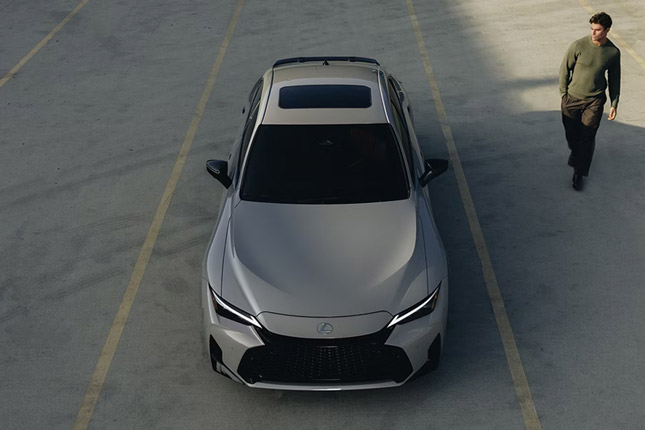
The most noticeable change is at the front. Lexus has redesigned the front bumper and spindle grille. The entire front end appears wider and lower. A small horizontal air intake appears at the upper edge of the grille. The brand logo moves from the grille center to the front of the hood. The result is a flatter overall style that echoes the next-generation Toyota Crown. The side aerodynamic openings change from horizontal to vertical. They are slightly smaller but more sculptural.
Side and Rear Details
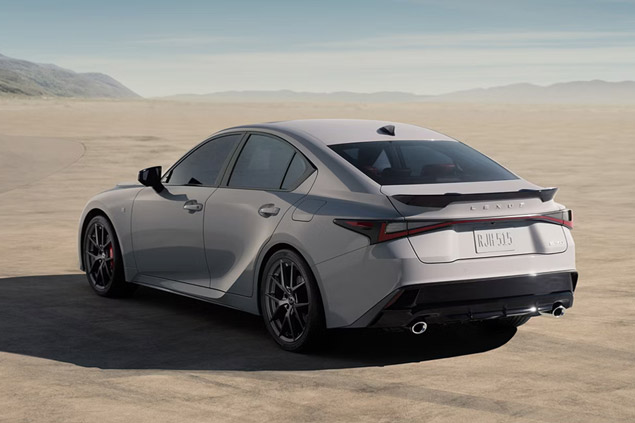
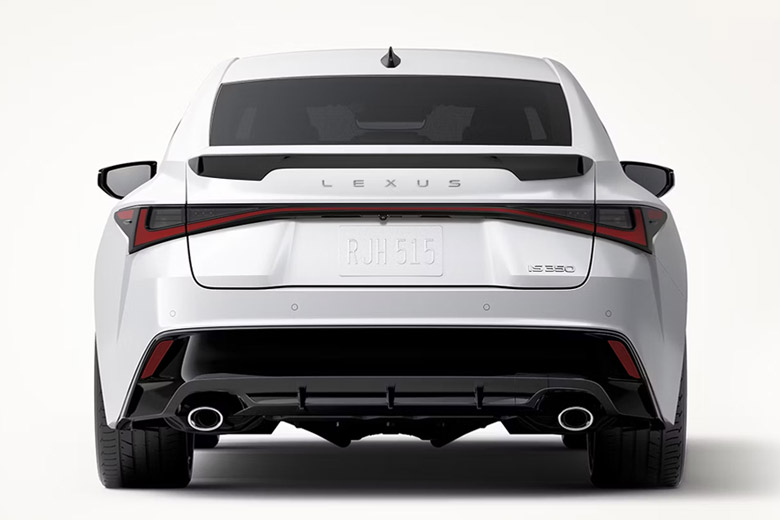
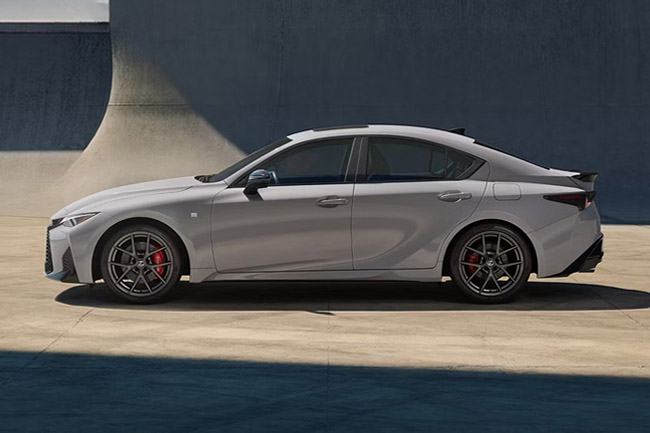
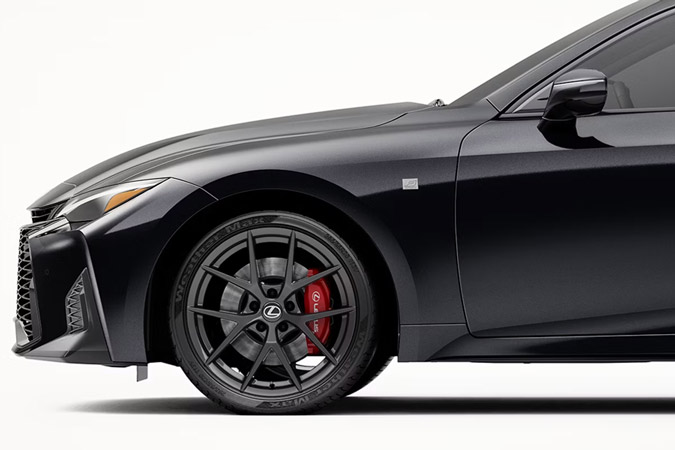
From the side, new 19-inch lightweight aluminum-alloy wheels become standard. Higher trims can opt for 19-inch BBS forged wheels. F SPORT models feature red brake calipers and a newly designed ducktail rear spoiler. This spoiler improves aerodynamic performance and adds a touch of sharpness. The rear design is eye-catching. The fully spelled-out “LEXUS” lettering replaces the classic “L” badge. An L-shaped blade-style full-width taillight stretches across the rear, creating an unforgettable visual effect.
Body Colors
Lexus offers up to seven exterior paint choices for the 2026 IS, including the newly added “Wind” — a light gray with metallic texture that conveys a sense of speed even at standstill. The North American market also receives a Special Appearance Package of just 350 units. It features a matte white body, a black-and-white contrasting interior, 19-inch black BBS forged wheels, and triple-beam LED headlights. This package is highly collectible.
III. Interior and Technology: A Luxury Cockpit That Finally Keeps Up with the Times
If the exterior changes are minor refinements, then the interior makeover is nothing short of revolutionary. The 2026 IS interior finally sheds the outdated design language of the previous model and fully embraces modernization.
Dual 12.3-inch Screens
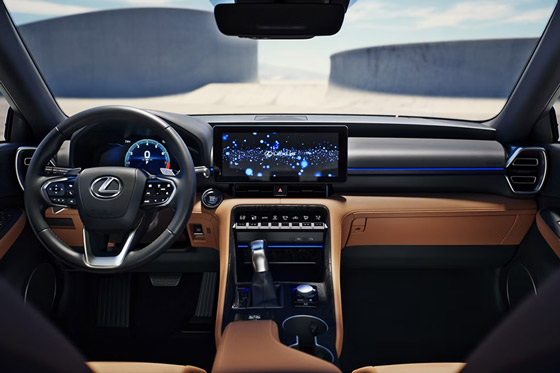
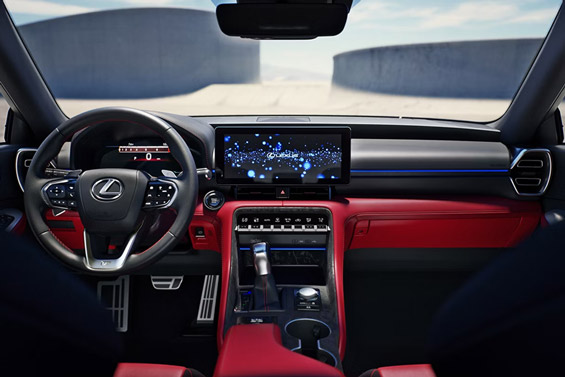
The most immediate change is on the center console. A brand-new 12.3-inch touchscreen replaces the old 8-inch display, significantly improving interface responsiveness and visual clarity. In front of the driver, a matching 12.3-inch TFT LCD instrument cluster presents information clearly and intuitively, with a clean and tidy layout. Lexus has finally removed the much-criticized touchpad from the previous model. This makes the center console layout cleaner and more logical.
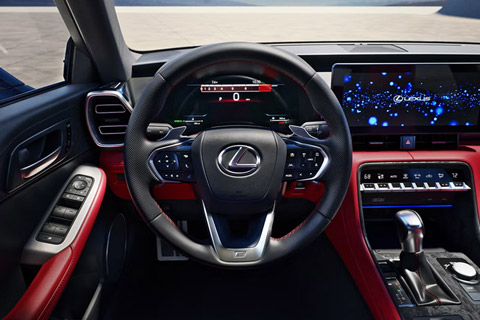
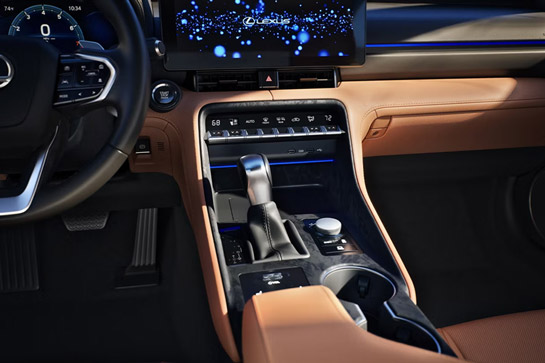
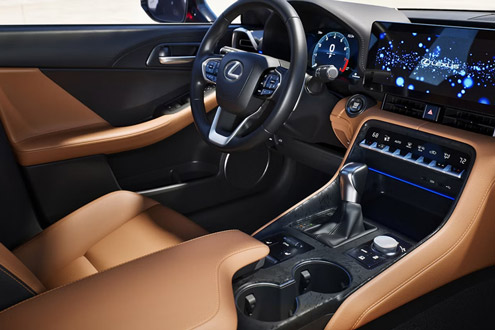
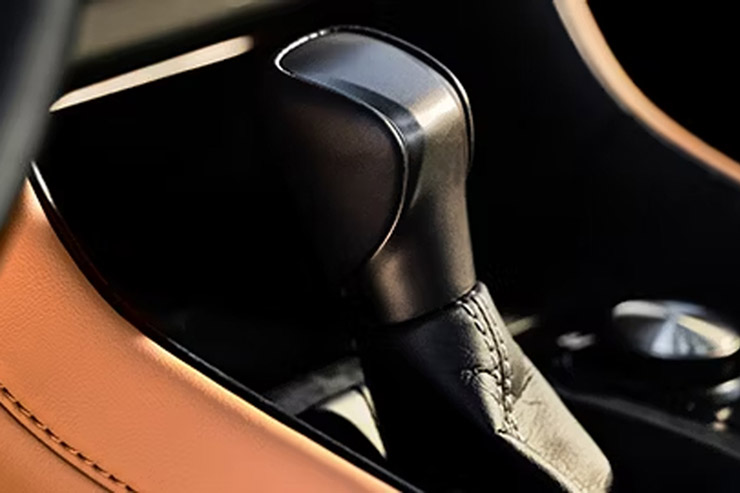
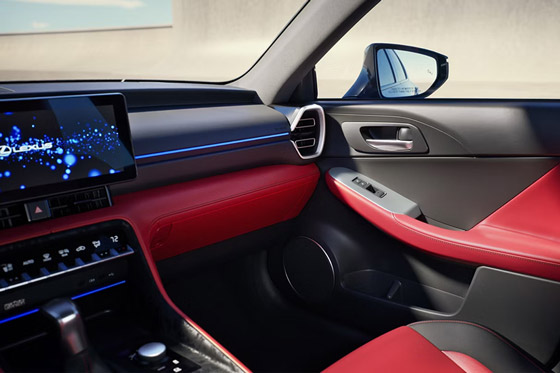
The decision to retain physical buttons and knobs is also commendable. In an era where screens devour everything, the IS still reserves physical air-conditioning controls. They allow totally blind operation while driving — a rare example of human-centric design philosophy.
Materials and Craftsmanship Elevated
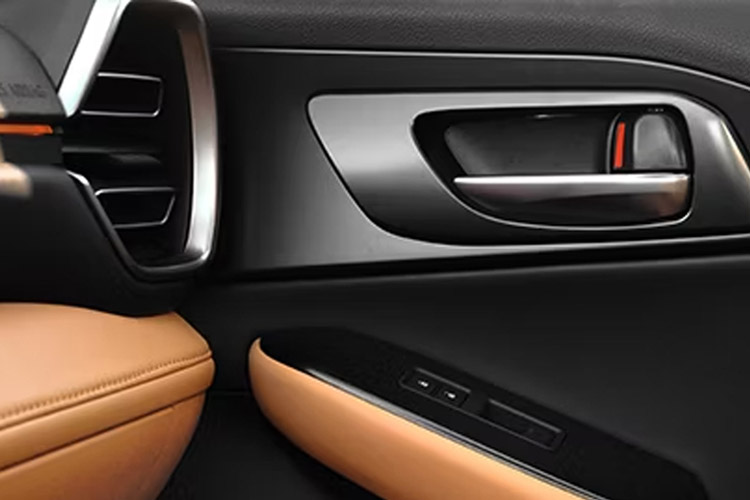
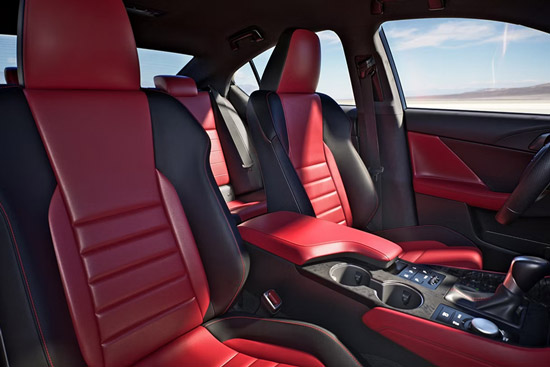
Lexus has invested considerable effort into interior materials. The newly introduced “Forged Bamboo” decorative trim uses a cross-weaving technique with bamboo fibers. It creates a unique interplay of light and shadow (the In-ei effect). This brings the warmth of traditional Japanese aesthetics into the cabin. F SPORT models also gain a new “Radiant Red” interior color. Inspired by the dazzling glow of a solar flare, it fills the cockpit with passion.
Comfort and Practicality
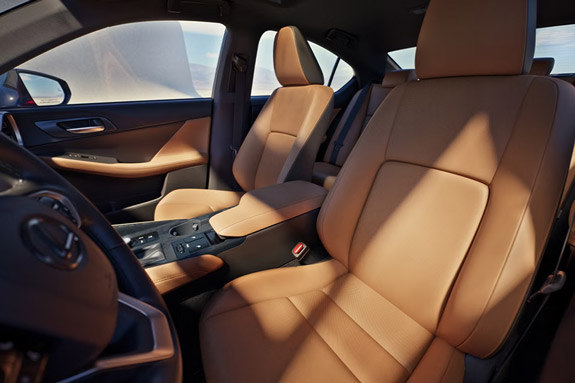
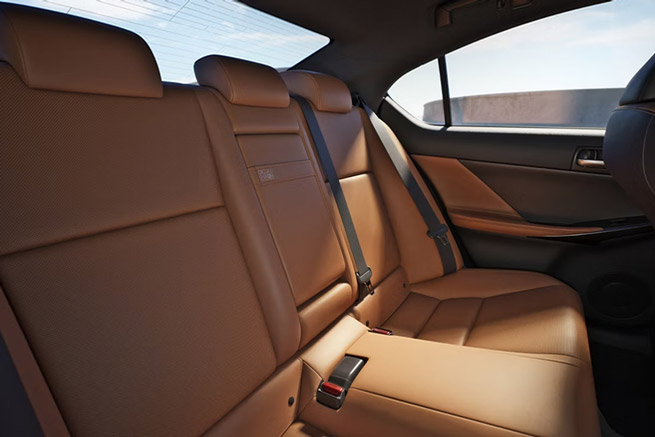
NuLuxe material wraps the front seats and provides moderate lateral support. They hold the body securely in corners without causing pressure during long drives. Rear-seat space is not the IS’s strong suit — after all, this is a compact sport sedan. However, two USB-C charging ports on the rear center console offer greater convenience for rear passengers. The front center console also houses a wireless charging pad and two additional USB-C ports, sufficient to meet the charging needs of all occupants.
Audio System
The standard configuration already includes a 10-speaker Lexus Premium Sound system. For those seeking the ultimate listening experience, you can option a 17-speaker Mark Levinson® premium surround sound system. Thanks to precise tuning and optimized speaker placement, this system delivers an immersive auditory experience. It turns the interior into a private concert hall.
IV. Chassis and Driving Experience: An Underrated Handling Expert
Steering and Suspension Optimization
The 2026 IS benefits from several key chassis improvements. A newly designed rack-parallel electric power steering system provides a variable steering ratio. This reduces steering effort at low speeds, making daily driving easier and more comfortable. At the same time, engineers retuned the suspension to enhance road-hugging feel during cornering. They also recalibrated the electric power steering. This reduces the need for minor adjustments through bends, lowering driving fatigue.
Higher-spec F SPORT models feature an Adaptive Variable Suspension system. It adjusts damping in real time according to the driving mode, balancing comfortable cruising with sporty cornering demands.
Driving Feel: Balance Is Justice
In real-world driving, the 2026 IS exhibits a beauty of balance. The rear-wheel-drive version, thanks to its rear-drive-biased chassis setup, feels composed and communicative in corners. The steering feedback is delicate and natural. The body posture smoothly transitions between turning, deceleration, and acceleration. This is precisely the “unity of driver and car” that Lexus pursues.
The AWD version is better suited for snowy northern regions or for users who need year-round all-weather mobility. Lexus’s Dynamic Torque All-Wheel Drive system distributes power between the front and rear axles in real time, delivering stable and powerful performance even on snow-covered roads.
Fuel Economy
To be frank, fuel economy is not the IS 350’s strong suit. The EPA estimates the RWD model at about 22 mpg combined (19 city / 27 highway). The AWD version returns roughly 22 mpg combined (19 city / 26 highway). The fuel tank holds 17.4 gallons. On a full tank, the RWD model’s cruising range is roughly 400 miles (about 644 km). The AWD version manages about 382 miles (about 615 km). With plug-in hybrids and pure EVs growing more common, we can only consider these figures adequate.
V. Safety: Comprehensive Coverage with LSS+ 3.0
Safety has always been a Lexus strength. The 2026 IS comes standard with the latest Lexus Safety System+ 3.0. This is a comprehensive and intelligent suite of active safety and driver assistance features.
Core Safety Features
- Pre-Collision System (PCS): Includes pedestrian detection, risk avoidance, and emergency steering assist, effectively reducing collision risks in urban traffic.
- Full-Speed Dynamic Radar Cruise Control (DRCC): Enables adaptive cruise control on highways, working in conjunction with lane-keeping functions.
- Lane Departure Alert and Lane Tracing Assist: Help keep the vehicle centered in its lane, reducing stress during long-distance drives.
- Intersection Turn Assistance: When making a left turn at an intersection, the system automatically detects oncoming vehicles from the opposite direction to reduce collision risk.
- Road Sign Assist: Automatically recognizes road speed limit signs and displays them on the instrument cluster, helping the driver avoid unintentional speeding.
- Proactive Driving Assist: When adaptive cruise control is active, it proactively intervenes with braking and steering to maintain a safe distance from preceding vehicles, pedestrians, or cyclists.
The 2025 IS earned a five-star overall safety rating from NHTSA, and the 2026 model further upgrades upon this foundation. We expect its safety performance to continue this excellent record.
VI. Global Market Positioning: How Traditional Luxury Survives in an Era of Transformation
Strategic Simplification of the Model Lineup
In 2026, Lexus made its boldest decision for the IS series: completely eliminating the IS 300 (four-cylinder) and IS 500 (V8), leaving only the IS 350. This means consumers have no low-end option to choose from, only the F SPORT Design and F SPORT grades. The starting price consequently rises by nearly USD 5,000 to around USD 46,795. Yet even so, the IS 350 still offers a certain value-for-money advantage compared with rivals.
Take the BMW 330i: a 2.0T four-cylinder engine powers it with only 255 horsepower, yet it starts at USD 47,500. By comparison, the IS 350, with its 311-horsepower V6, holds a slight advantage in displacement and power output.
Global Pricing Overview
The 2026 IS 350’s pricing in different markets reflects Lexus’s regionally tailored strategy. In the U.S., the F SPORT Design RWD starts at approximately USD 47,295 (including destination charges), while the F SPORT AWD climbs to USD 49,950. Canada offers only the IS 350 AWD, starting at about CAD 56,855. The UAE market lists a starting price of AED 199,000 (approximately USD 54,000), and the F SPORT Special Edition limited model reaches AED 270,000 (approximately USD 73,500). Japan, its home market, still sells the IS 300h hybrid, but Lexus does not introduce that model to North America.
VII. Competitor Comparison: The Strengths and Weaknesses of the IS 350
When you place the IS 350 alongside its rivals, its advantages and disadvantages become clear at a glance.
Against the BMW 330i, the IS 350’s V6 boasts more displacement and horsepower (311 hp vs. 255 hp). The 330i’s turbocharging, however, delivers better urban fuel economy and rides on a newer platform.
The Mercedes-Benz C300 responds more flexibly with its 48V mild-hybrid system, yet the IS retains a traditional edge in reliability expectations and long-term ownership costs.
Crossovers within its own family highlight how industry trends are not friendly to sport sedans. The compact luxury sedan segment keeps losing market share, which same-segment crossovers continue to erode. The very existence of the IS 350 represents a rare form of persistence.
In short, if you seek the latest tech and cutting-edge driver-assistance systems, the BMW 3 Series or Tesla Model 3 might suit you better. But if you want a luxury sedan that will still run robustly a decade from now, with a driving experience full of pure mechanical communication, the IS 350 might very well be one of the last options remaining on the market.
VIII. Conclusion: Who Is It Made For?
The 2026 Lexus IS 350 is not a car trying to please everyone. It neither chases the trends of electrification and turbocharging, nor does it attempt to play tricks with technical specifications. Instead, it takes a harder but more distinctive path. It uses time-tested, reliable mechanical structures, substantially upgraded interior technology, and a more aggressive, recognizable exterior design. The result is a luxury sport sedan in the category of a “grown-up toy.”


