


The Xiaomi SU7 Ultra, the flagship performance model of Xiaomi’s automotive division, has captured global attention from car enthusiasts since its launch thanks to its staggering performance specs and relatively accessible pricing.
As one of the premium Chinese cars for sale in the high-performance electric vehicle market, it not only matches but even surpasses some traditional luxury brands in performance, while also demonstrating considerable price competitiveness.
01 Performance: Acceleration Beyond Expectations
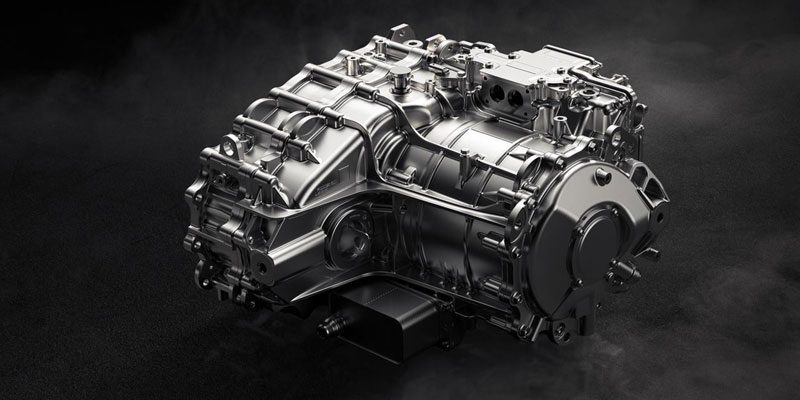
The Xiaomi SU7 Ultra is equipped with a tri-motor all-wheel-drive system, delivering an astonishing 1548 horsepower. This enables a 0-100 km/h acceleration time of just 1.98 seconds and a top speed of 350 km/h.
These performance figures directly rival globally renowned high-performance EVs like the Porsche Taycan Turbo GT and Tesla Model S Plaid.
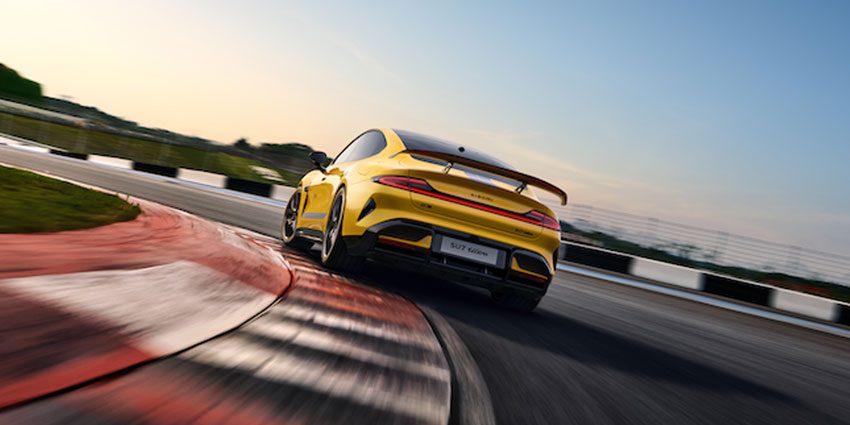
On the track, the SU7 Ultra demonstrates exceptional chassis tuning and braking capabilities. The vehicle utilizes a carbon-ceramic braking system with 430mm front discs and 410mm rear discs, providing reliable stopping power for high-speed driving.
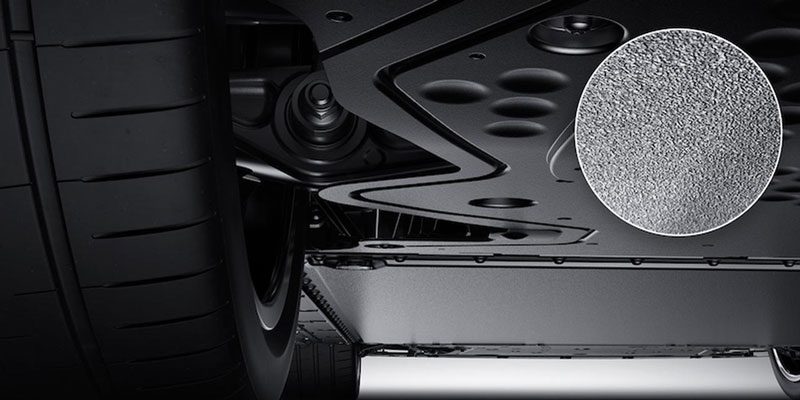
The chassis features a front double-wishbone and rear five-link suspension structure, combined with an active electromagnetic suspension, striking a good balance between comfort and sportiness.
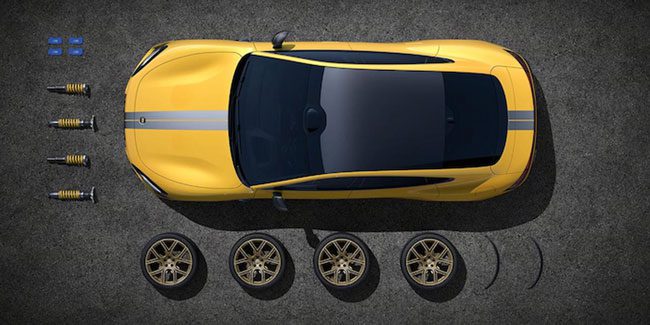
Xiaomi has equipped the SU7 Ultra with a dedicated track app that displays real-time data like lap times and steering wheel angle, offering driving enthusiasts a professional analysis tool.
This car has set an impressive lap time on the Nürburgring Nordschleife, proving its exceptional performance capabilities.
02 Design and Practicality: More Than Just a Track Car
Although positioned as a high-performance electric vehicle, the SU7 Ultra does not completely sacrifice everyday practicality. The vehicle boasts a 3000mm wheelbase, providing relatively spacious interior room.
A passenger who is 1.8 meters tall still has about a fist’s worth of knee room in the rear seats, and the adjustable seatback angle enhances comfort on long journeys.
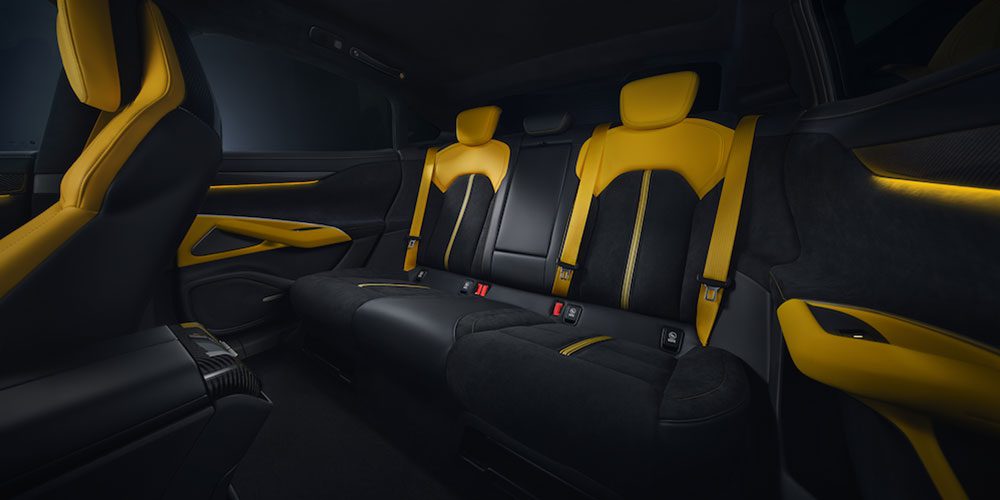
In terms of storage space, the SU7 Ultra’s frunk and trunk combine for a total volume of 583 liters, sufficient for short trips.
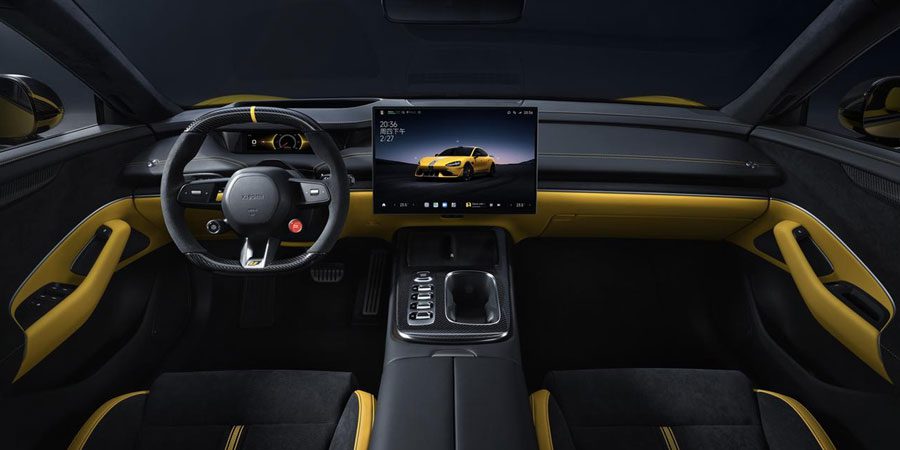
The interior combines carbon fiber and Alcantara materials, creating a sporty yet luxurious atmosphere.
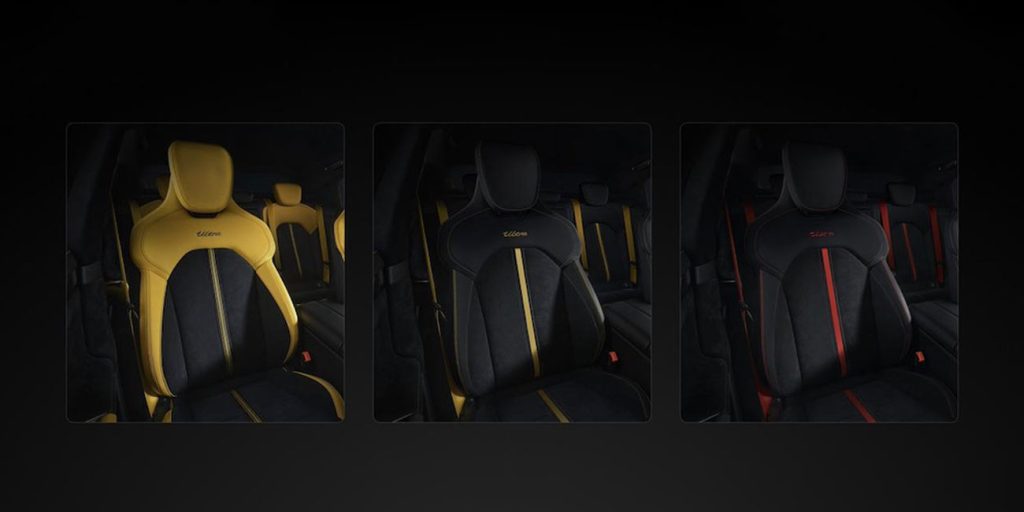
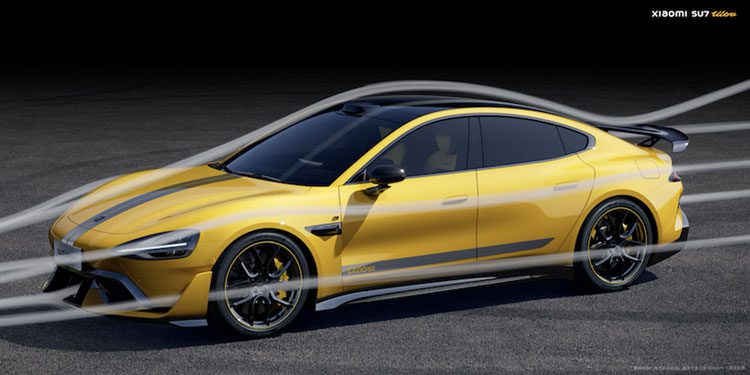
The vehicle’s exterior features a low-slung body design, complemented by carbon fiber side skirts and a fixed large rear spoiler. This optimizes aerodynamics while enhancing visual impact. Multiple paint color options, including Parrot Green and Pearl White, cater to personalization needs.
03 Smart Technology: The Advantage of Ecosystem Integration
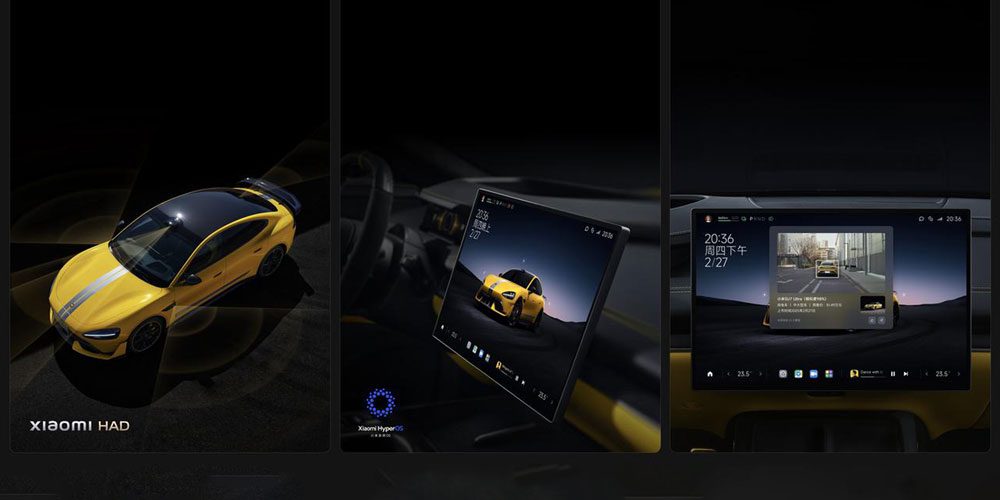
The Xiaomi SU7 Ultra deeply integrates the Xiaomi smart ecosystem. It features a 16.1-inch 3K central touchscreen and the HyperOS infotainment system, offering excellent operational smoothness.
The vehicle supports L2 advanced driver-assistance systems, intelligent voice interaction, and a 25-speaker Dolby audio system, providing a comprehensive tech experience.
For intelligent driving, the SU7 Ultra is equipped with lidar and dual Orin X chips. It performs maturely in highway scenarios, with decisive automatic lane changes. However, the urban NOA function remains somewhat conservative and has room for optimization.
The Head-Up Display system has a large projection area, but clarity in strong light can be average. The vehicle supports smartphone connectivity and remote control functions, allowing users to monitor vehicle status and perform remote operations anytime, anywhere.
04 Overseas Market Price Analysis
The Xiaomi SU7 Ultra is not yet officially available for sale in overseas markets, but international consumers can purchase it through parallel import channels. Due to tariffs, shipping costs, and local taxes, the overseas price is expected to be significantly higher than in China.
- China Market: The base model starts at 529,900 RMB (approximately $74,000 USD).
- European Market: The estimated price is between 635,000 and 689,000 RMB (approximately $89,000 to $96,000 USD), about 20% higher than the domestic price.
- North American Market: The estimated price is between $55,000 and $75,000 USD (depending on configuration).
- Japanese Market: The estimated price is around 6 million JPY (approximately $51,000 USD).
It is worth noting that the top-tier Nürburgring Limited Edition could exceed one million RMB in overseas markets. Given the Xiaomi SU7 Ultra’s exceptional performance and limited production nature, prices in some markets might even reach twice the domestic price.
05 Pros and Cons Analysis
Main Advantages:
- Exceptional Performance: The tri-motor system delivers savage power, producing 1548 horsepower. The 1.98-second 0-100 km/h acceleration offers an intense, push-back-into-the-seat sensation.
- Relative Value for Money: Although overseas prices are higher, it maintains a certain price advantage compared to the Porsche Taycan Turbo GT (starting around ~$280,000 USD / 2 million RMB) and Tesla Model S Plaid (starting around ~$103,000 USD / ~730,000 RMB).
- Smart Technology Experience: Deep integration with the Xiaomi ecosystem provides a smooth smart cabin experience and continuously optimized intelligent driving functions.
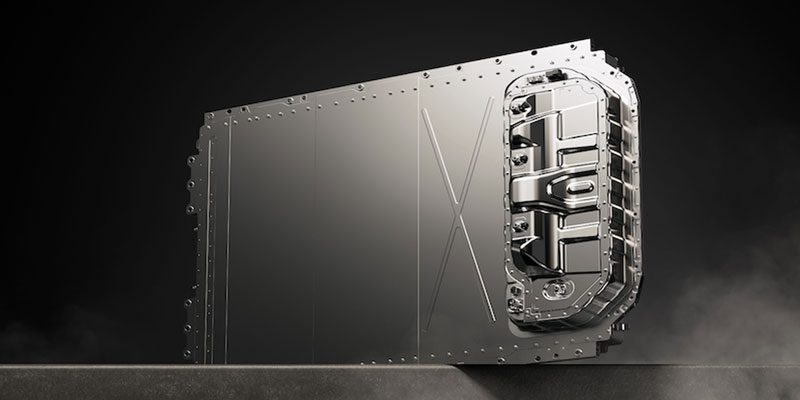
- Charging Efficiency: Equipped with a CATL Qilin II battery supporting 12-minute fast charging to 80%, alleviating range anxiety.
Main Disadvantages:
- High Overseas Price: Due to tariffs, shipping costs, etc., overseas prices may be 10%-30% higher than in China, potentially even doubling.
- High-Speed Range Reduction: Owner tests found range in high-speed driving conditions can decrease by up to 35%; the claimed 650km may translate to only 420km in real-world use.
- High Repair Costs: Carbon fiber component repairs are expensive. For example, repairing a front lip could cost over 8,000 RMB, three times the cost of traditional metal parts.
- Brand Premium Yet to be Proven: As a newcomer to the auto industry, Xiaomi’s brand influence in the luxury car market still requires time to build.
- After-Sales Service Network: Limited coverage of after-sales service outlets in overseas markets could lead to maintenance inconveniences.
06 Target Audience and Purchase Advice
The Xiaomi SU7 Ultra is most suitable for two types of buyers: tech enthusiasts seeking ultimate performance, and well-resourced players wanting to support domestic Chinese high-end electric vehicles. If you value brand prestige or traditional luxury craftsmanship, established luxury brands might be a better fit.
For overseas users considering a purchase, here is some advice:
- When buying through parallel import channels, thoroughly understand the import regulations and certification requirements of your country.
- Consider after-sales service and parts supply issues, ensuring viable local repair solutions exist.
- Weigh the balance between performance and daily usability. While the SU7 Ultra’s performance is exceptional, 90% of its performance reserve is difficult to utilize in everyday driving.
- It is advisable to wait for feedback from the first batch of users to understand long-term reliability and potential issues.
The Xiaomi SU7 Ultra, as a high-performance electric vehicle among Chinese cars for sale, has indeed brought new vitality to the global EV market with its outstanding performance and relatively reasonable pricing. For electric vehicle enthusiasts who pursue extreme performance and love technological experiences, it is undoubtedly an option worth considering. However, when making a final decision, it is recommended to conduct a comprehensive assessment based on personal practical needs, budget, and acceptance of emerging brands.


