

- 1. Check Your Power Steering Fluid
- 2. Inspect the Power Steering Pump
- 3. Examine the Serpentine Belt
- 4. Tire Pressure Matters
- 5. Steering Rack Issues
- 6. Suspension System Problems
- 7. Cold Weather Effects
- 8. Electric Power Steering (EPS) Malfunctions
- 9. Importance of Regular Maintenance
- 10. When to Seek Professional Help
- Final Thoughts
Experiencing stiff steering while driving can be both frustrating and dangerous. Your vehicle’s steering system is essential for safe handling, and any resistance or difficulty turning the wheel should never be ignored. Whether you’re driving a brand-new vehicle or browsing options like chinese cars for sale, understanding the causes of stiff steering and how to fix them can save you time, money, and stress.
In this guide, we’ll explore the most common reasons behind stiff steering and what you should do to resolve the issue.
1. Check Your Power Steering Fluid
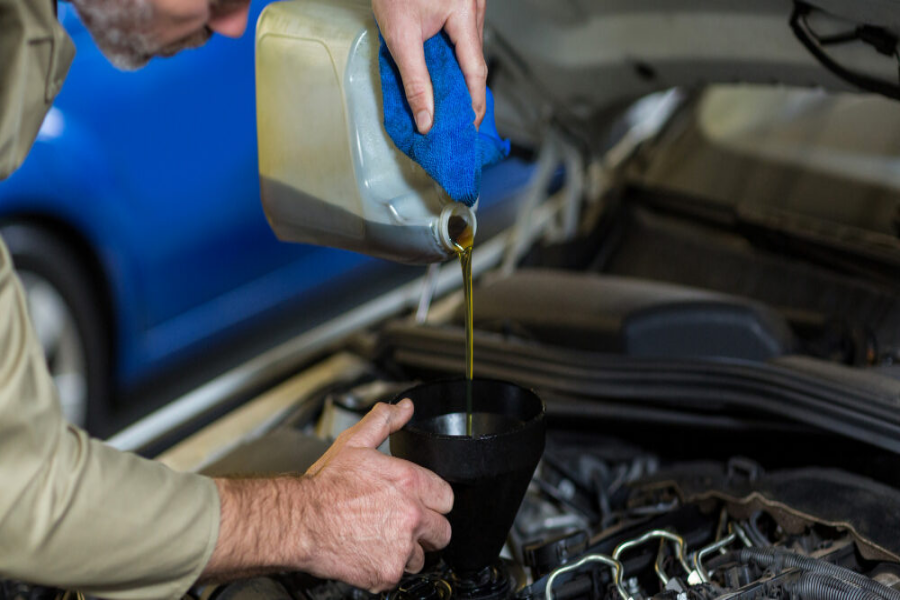
One of the most common causes of stiff steering is low or contaminated power steering fluid. This fluid allows the steering system to operate smoothly and with minimal effort.
What to do:
- Locate the power steering fluid reservoir under the hood.
- Check the fluid level and condition.
- If it’s low, top it up with the recommended type.
- If it appears dirty or dark, consider a full fluid flush.
Ignoring low fluid levels can lead to more severe damage, including failure of the power steering pump.
2. Inspect the Power Steering Pump
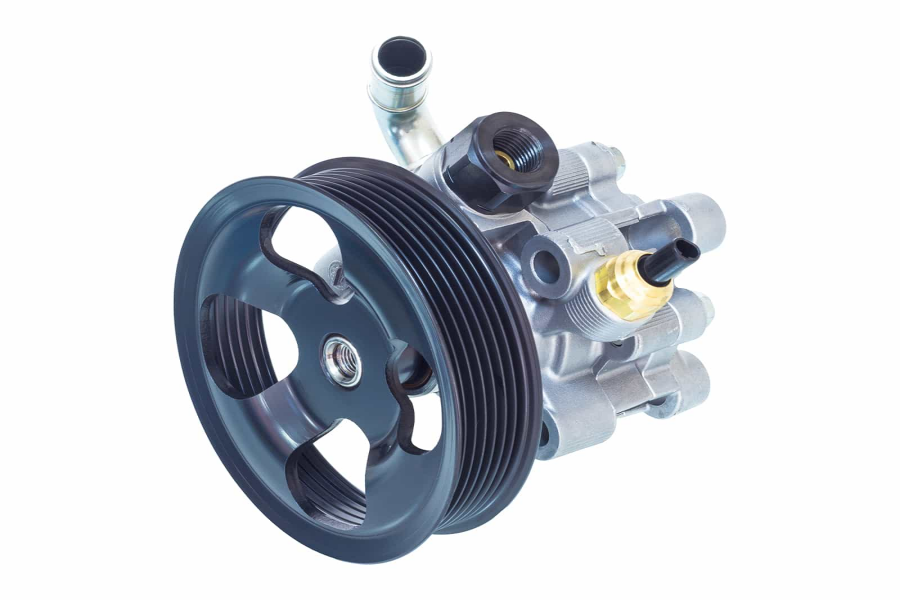
The power steering pump plays a crucial role in assisting your steering movements. If it starts to fail, you may notice increased resistance when turning the wheel.
Signs of a failing pump:
- Whining or squealing noises
- Difficulty steering at low speeds
- Jerky or inconsistent steering response
Solution:
Have a mechanic inspect the pump. If necessary, replace it promptly to avoid further damage.
3. Examine the Serpentine Belt
The serpentine belt powers several components in your car, including the power steering pump. If the belt is loose, worn, or broken, it can affect steering performance.
What to check:
- Cracks or fraying on the belt
- Proper tension
Replacing a worn belt is a relatively inexpensive fix that can restore normal steering function.
4. Tire Pressure Matters
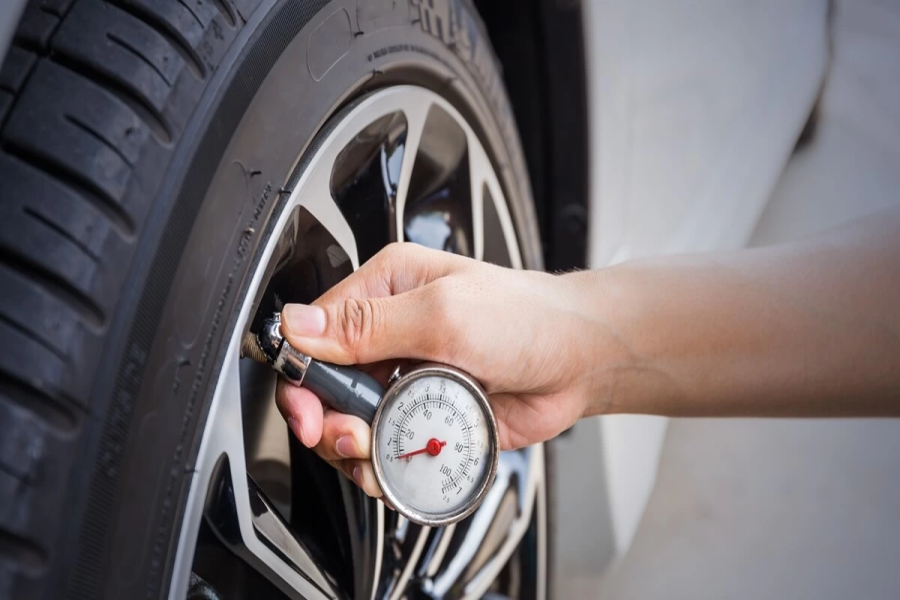
Low tire pressure can make steering feel heavier than usual. This is because underinflated tires create more resistance against the road.
Quick fix:
- Check all tires using a pressure gauge
- Inflate them to the manufacturer’s recommended PSI
Maintaining proper tire pressure not only improves steering but also enhances fuel efficiency and tire lifespan.
5. Steering Rack Issues
The steering rack converts the rotational movement of your steering wheel into the lateral movement needed to turn the wheels. Problems with the rack can lead to stiffness or uneven steering.
Common symptoms:
- Steering feels tight or inconsistent
- Fluid leaks under the vehicle
- Grinding or clunking noises
Recommended action:
Consult a professional mechanic. Steering rack repairs or replacements can be complex and should not be delayed.
6. Suspension System Problems
Your vehicle’s suspension system works closely with the steering system. Worn or damaged components, such as ball joints or tie rods, can contribute to stiff steering.
What to look for:
- Uneven tire wear
- Vibrations while driving
- Difficulty maintaining control
Routine inspections can help catch these issues early before they become more serious.
7. Cold Weather Effects
In colder climates, steering may feel stiff when you first start driving. This is often due to thickened power steering fluid.
What you can do:
- Allow your car to warm up for a few minutes
- Use winter-grade fluids if recommended
This issue is usually temporary and resolves as the vehicle warms up.
8. Electric Power Steering (EPS) Malfunctions
Modern vehicles, including many newer models among chinese cars for sale, use electric power steering instead of hydraulic systems. While generally reliable, EPS systems can experience electronic faults.
Symptoms include:
- Sudden loss of steering assistance
- Warning lights on the dashboard
- Inconsistent steering feel
Solution:
Have the system scanned for error codes. Repairs may involve software updates or component replacement.
9. Importance of Regular Maintenance
Preventative maintenance is key to avoiding stiff steering issues. Regular servicing ensures all components of your steering and suspension systems remain in good condition.
Maintenance tips:
- Check fluids regularly
- Inspect belts and hoses
- Rotate and balance tires
- Schedule routine inspections
If you’re considering buying a vehicle, especially from listings like chinese cars for sale, reviewing maintenance history is essential to avoid hidden issues.
10. When to Seek Professional Help
While some causes of stiff steering can be addressed at home, others require expert attention. If you notice persistent stiffness, unusual noises, or warning lights, don’t delay seeking help.
Driving with compromised steering can put you and others at risk. A qualified mechanic can diagnose the problem accurately and recommend the best solution.
Final Thoughts
Stiff steering is more than just an inconvenience—it’s a sign that something in your vehicle needs attention. From low power steering fluid to more complex mechanical or electronic issues, addressing the problem early can prevent costly repairs and ensure your safety on the road.
Whether you’re maintaining your current car or exploring chinese cars for sale for your next purchase, understanding how steering systems work and how to care for them is essential. A well-maintained steering system ensures smooth, responsive handling and a more enjoyable driving experience.If your steering feels stiff, don’t ignore it—take action today and keep your vehicle running safely and efficiently.


