

As Africa’s second-largest automobile market, Algeria’s consumer preferences are deeply influenced by historical, economic, and cultural factors. The legacy of French colonization, localization policies in production, and the competitive pricing of emerging brands collectively shape its unique automotive market landscape. Based on the latest market data, this article provides an in-depth analysis of Algeria’s best-selling car models and their core advantages, revealing the underlying logic behind market changes.
I. Long-Dominant Brands: Dacia and Renault
Dacia Logan: The Legendary Status of the “National Car”
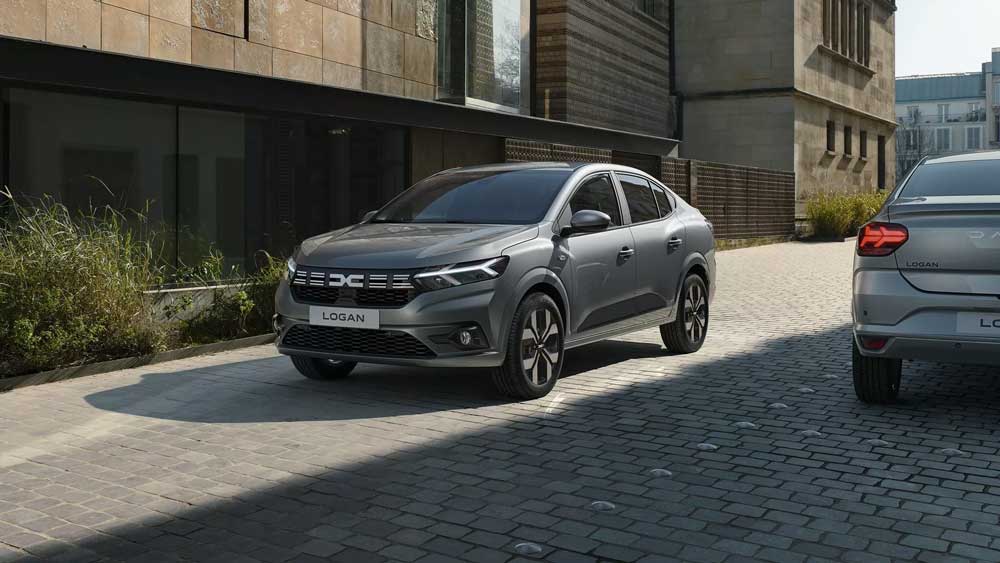
- Sales Data: In 2018, sales of this single model reached 46,270 units, accounting for 33.4% of the national total. It remains one of the models with the highest ownership to this day.
- Core Advantages:
- Extreme Cost-Effectiveness: Combines European safety standards (NCAP 4-star) with localized production, making it 30% cheaper than competing models in the same segment.
- Adaptive Modifications: Enhanced air filtration system for North Africa’s dusty climate; ground clearance increased to 180mm, perfectly suited for rugged road conditions.
- Maintenance Convenience: Over 200 authorized service points nationwide; 40% local parts sourcing; maintenance costs are only 60% of those for Japanese cars.
Renault Symbol: The “Luxury Rebadge” of the Logan
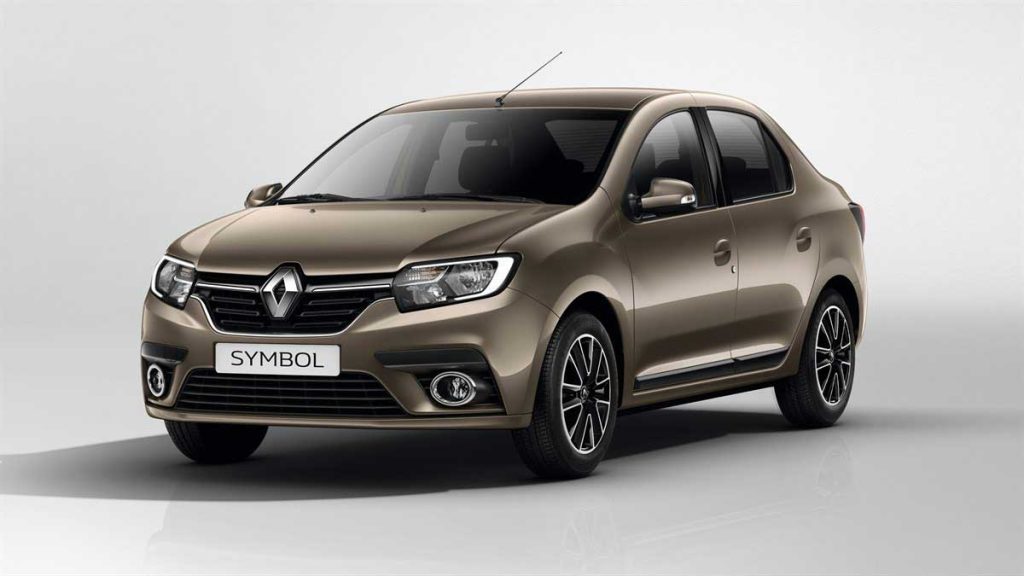
- Market Positioning: An upgraded version based on the Logan platform, targeting middle-class families.
- Differentiating Advantages:
- French Design Premium: Streamlined body + chrome trim; interior uses UV-resistant fabric seats.
- Localized Configuration: Standard air conditioning compressor designed for desert regions, with 35% improved cooling efficiency.
II. Market Disruption in 2024–2025: The Rise of New Players
Fiat Doblo: The Disruptor for Both Commercial and Passenger Use
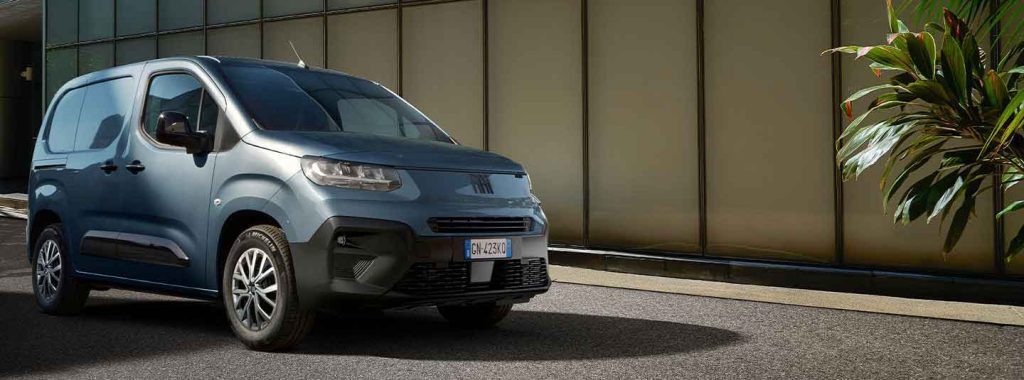
- Latest Data: 27,000 units sold in 2024, making it the annual best-selling single model.
- Key to Success:
- Space Wizard: 5-seater version offers a trunk capacity of 790L (the largest in its class), convertible into a cargo version with a load capacity of 800kg.
- Diesel Economy: The 1.6L Multijet engine consumes only 5.2L/100km, 1.8L less than competitors.
- Policy Benefits: Benefits from Algeria’s “commercial vehicle import tax exemption” policy, with an end price as low as $9,000.
Dacia Duster: Continued Leadership in the SUV Segment
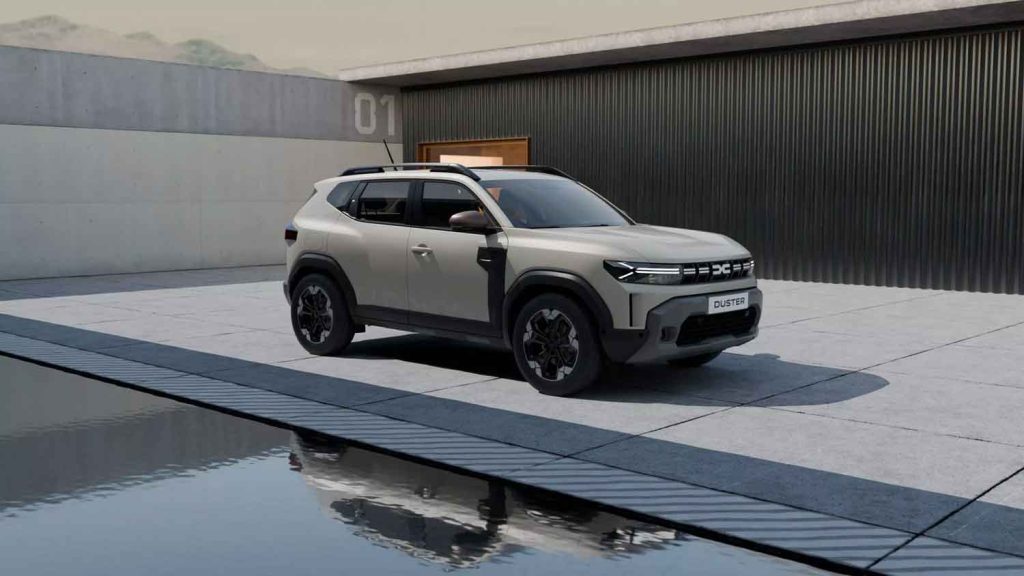
- Market Performance: Cumulative sales exceed 25,000 units, making it the best-selling SUV.
- User Pain Point Solutions:
- Off-Road Performance: 30° approach angle + four-wheel lock function, with desert escape capability comparable to professional off-road vehicles.
- Fuel Consumption Control: The 1.5dCi engine achieves an exceptionally low fuel consumption of 5.3L/100km for an SUV.
III. Emerging Brands: The Battle of Cost-Effectiveness and Innovation
Chery Tiggo 7: The Breakthrough of Chinese Technology
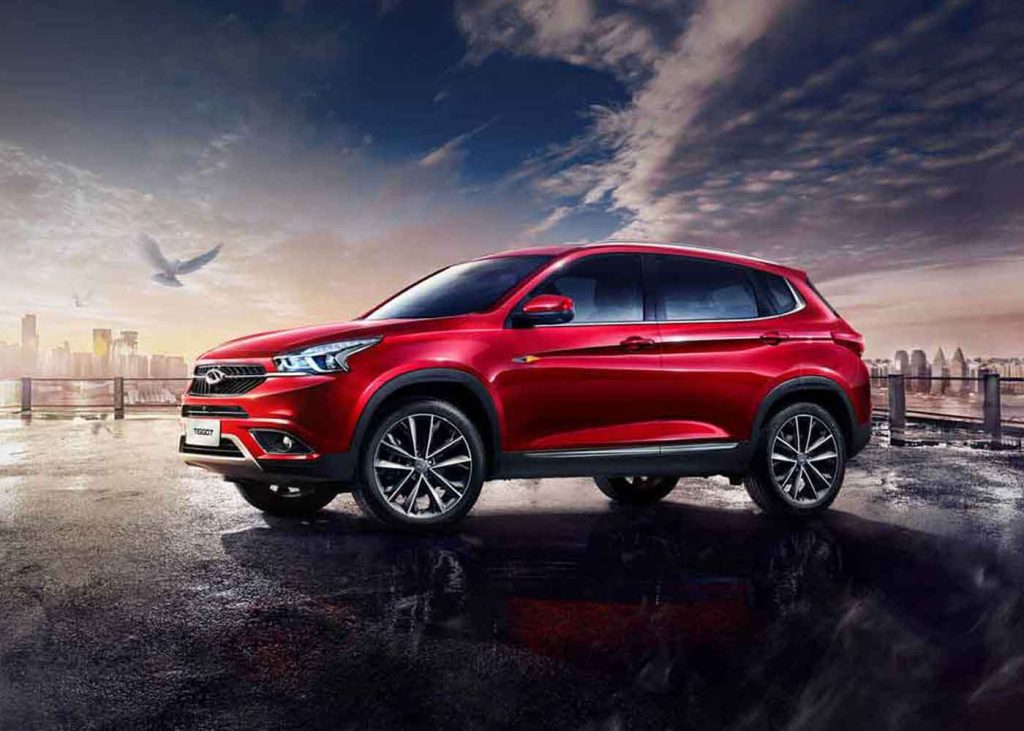
- Growth Miracle: Sales surged by 69.5% year-on-year in 2023, ranking second among brands.
- Competitive Advantages:
- Democratized Smart Features: 10-inch screen + voice control (supporting Arabic), the only model in its class with standard 360° surround view.
- Extended Warranty: 6-year/200,000km warranty, covering motor and battery.
Toyota Hilux: The Invisible Champion in the Used Car Market
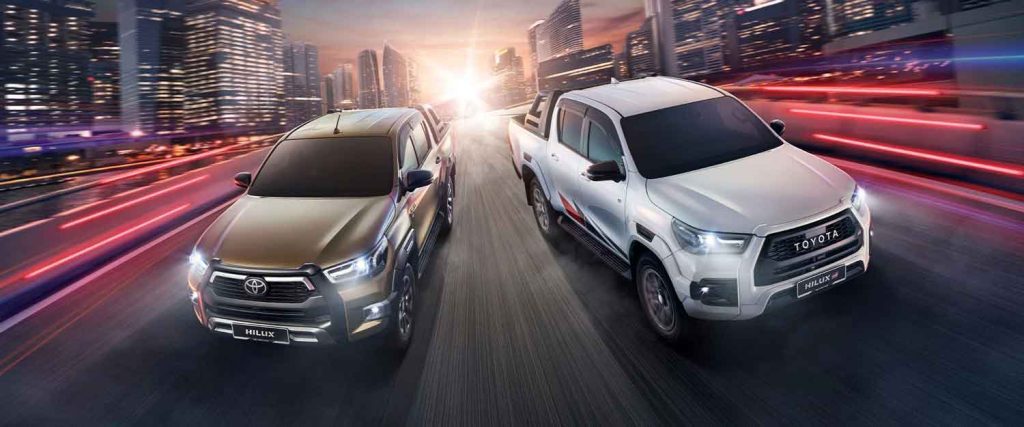
- Unique Niche: Over 60% market share in the used car segment, with vehicles over 15 years old still actively circulating.
- Enduring Reputation:
- Reliability Myth: Average trouble-free mileage reaches 400,000km; parts reuse rate exceeds 80%.
- Modification Culture: Local workshops offer LPG conversion kits, reducing fuel costs by 60%.
IV. Deep-Seated Drivers of Market Change
Policy Leverage Effect:
- Localization policies require foreign brands to build factories (e.g., Renault’s Algiers plant) or face a 30% import tariff.
- Commercial vehicle tax exemption policy directly fueled the Fiat Doblo boom.
Consumer Culture Inertia:
- French car service networks cover 98% of towns, while Japanese and Korean brands only cover major cities.
- Prevalence of the “car-as-livelihood” model: 70% of car owners engage in part-time freight transport, creating rigid demand for multi-functional vehicles.
Energy Economy Drive:
- Diesel vehicles account for 68% (due to government fuel subsidies), while gasoline vehicles make up only 28%.
Future Outlook: The Clash of Electrification and Localization
- Policy Turning Point: Algeria will implement “zero tariffs on electric vehicle imports” in 2026; Chinese brands like Chery and BYD are accelerating their layout.
- Localization 2.0: Renault plans to produce the all-electric Logan; Dacia is testing solar roof charging technology.
Conclusion: The competition in Algeria’s automotive market is essentially a game between “French legacy” and “global cost-effectiveness.” The Dacia Logan defined the standard for economy and durability, the Fiat Doblo captured policy dividends to reshape the landscape, and the Chinese brand Chery Tiggo 7 rose to become the second-largest brand by relying on China’s leading electric vehicle technology. Over the next decade, electrification and smart technology will trigger a new round of reshuffling, but “all-scenario practicality” and “ultra-low ownership costs” will remain the core keys to victory.
If you are interested in Chinese cars, you may want to check out the blog “6 Best Chinese Cars in Algeria,” which will provide deeper insights into Chinese brand vehicles.


