

- 01 Design Philosophy: The Clash of German Precision and Japanese Elegance
- 02 Space and Comfort: Mobile Office vs. Family Lounge
- 03 Powertrain: The Trade-off Between Performance and Efficiency
- 04 Smart Technology Configuration: Comparison of Digital Cockpit Experiences
- 05 Global Market Price Comparison Analysis
- 06 Usage Costs and Resale Value: Long-Term Value Considerations
- 07 Safety Performance: Comprehensive Protection Comparison
- 08 Global Market Performance and Future Outlook
- 09 Conclusion: How to Make the Best Choice for You
In today’s global automotive market, choosing a suitable mid-size sedan is both a practical decision and a reflection of personal values and lifestyle. The 2025 Volkswagen Passat and the 2025 Toyota Camry, as two benchmarks in this segment, are competing for consumer favor with their newly upgraded technologies.
With the changing landscape of the global automotive market, especially the rise of Chinese car brands, these traditional powerhouses are facing unprecedented competitive pressure. This article will provide an in-depth analysis of the global performance of these two models to help you make a more informed decision.
01 Design Philosophy: The Clash of German Precision and Japanese Elegance
The 2025 Volkswagen Passat continues the German minimalist aesthetic philosophy, with a body length of 5006mm and a wheelbase of 2871mm. Its straight and smooth body lines, combined with LED matrix headlights and a continuous chrome strip, create a strong business presence, resulting in a refined and professional overall appearance.
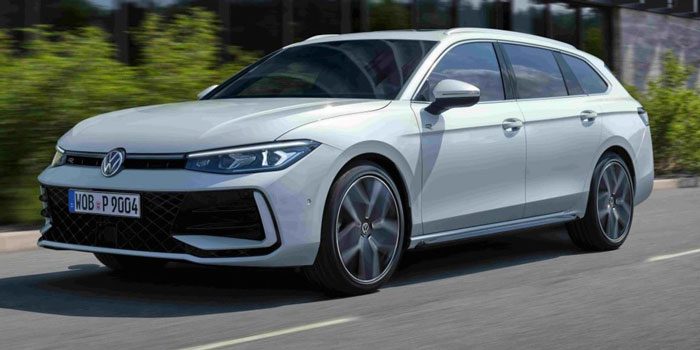
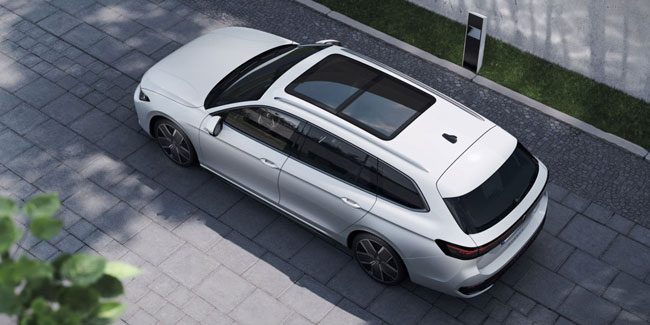

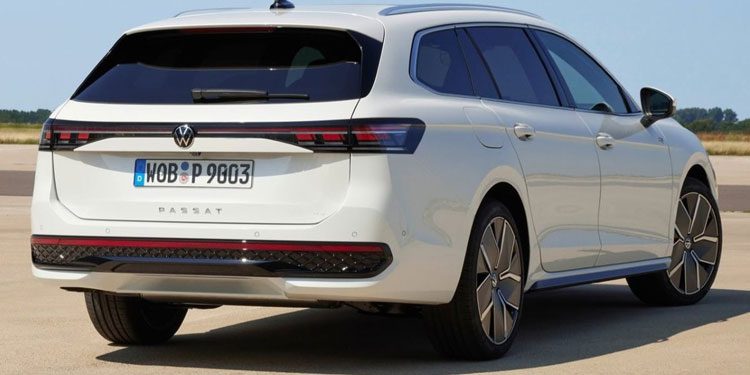
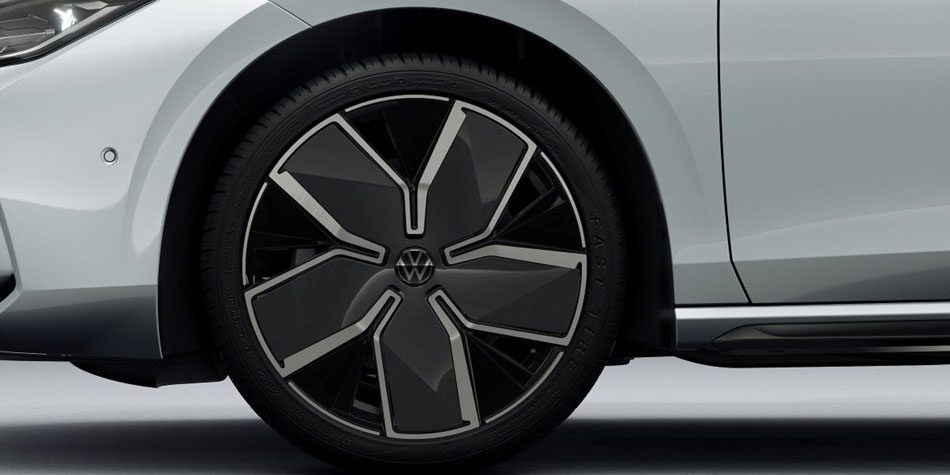
The 2025 Toyota Camry, on the other hand, adopts a dual-style design of “sporty + elegant.” With a body length of 4915mm, it showcases a dynamic posture through a fastback silhouette and a double-wishbone rear suspension. The two-tone body and honeycomb grille design better suit the aesthetics of young families, giving it a more sporty and fashionable visual appeal.
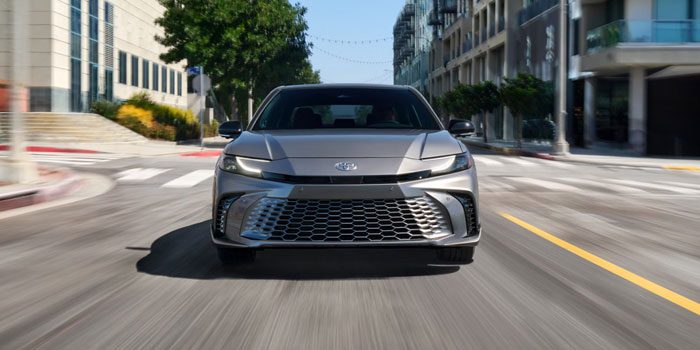
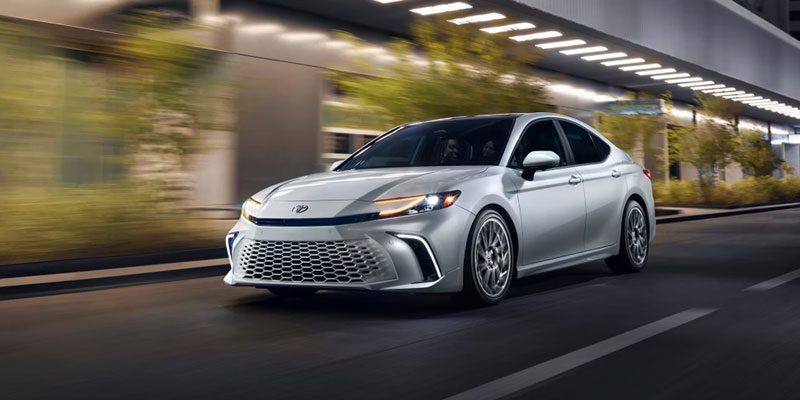
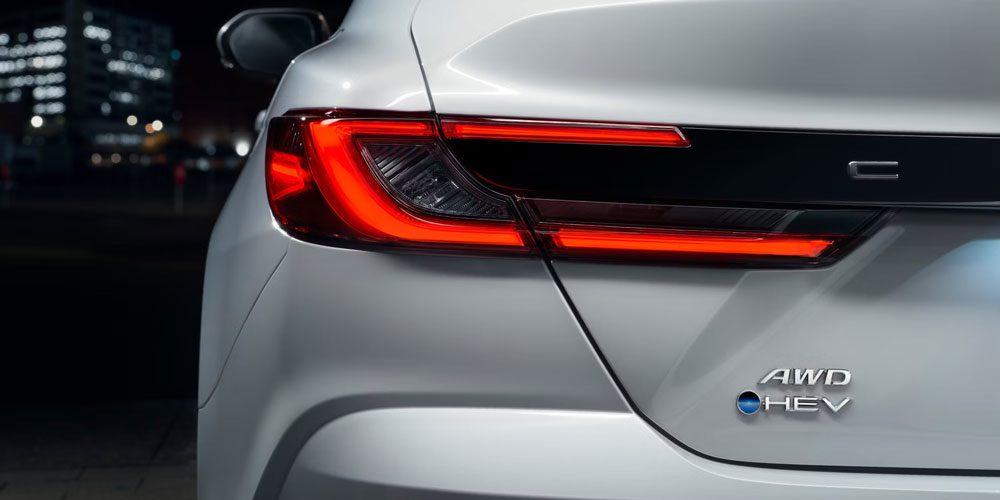
From the perspective of design language, the two cars present distinctly different personalities—the Passat resembles a business elite in a suit, while the Camry is more like a well-dressed lifestyle enthusiast.
02 Space and Comfort: Mobile Office vs. Family Lounge
The Passat, with its nearly 2.9-meter wheelbase, offers a rear legroom of over three fist-widths. Combined with aviation-style headrests and electric sunshades, the riding experience during business receptions can be described as a “mobile executive cabin.” Higher trim levels are equipped with seat heating, ventilation, and massage functions, paired with a four-zone climate control system, significantly enhancing passenger comfort.

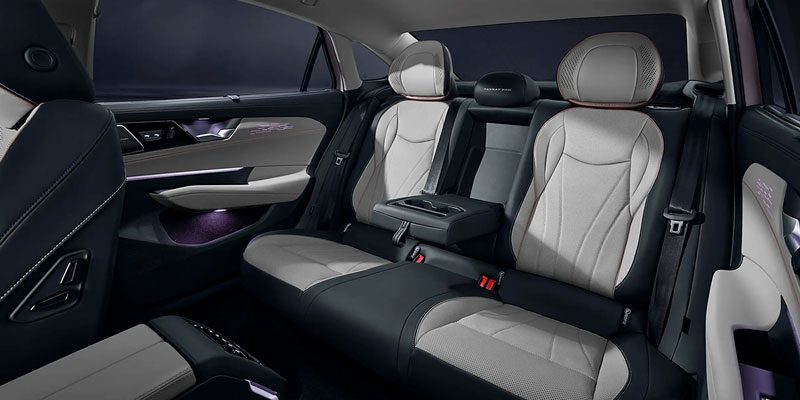
Although the Camry has a slightly smaller wheelbase of 2825mm compared to the Passat, its rear seat cushions are 15% thicker, and the backrest angle has been optimized for better support during long journeys, conforming more closely to the human body. It is worth noting that the Camry’s trunk capacity is 521L, slightly larger than the Passat’s 506L, but the hybrid version sacrifices some storage flexibility due to battery layout.
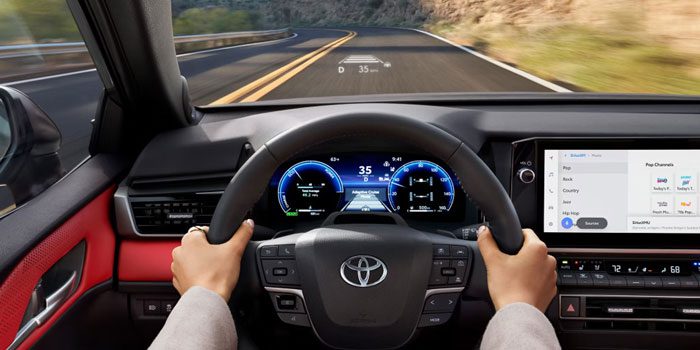
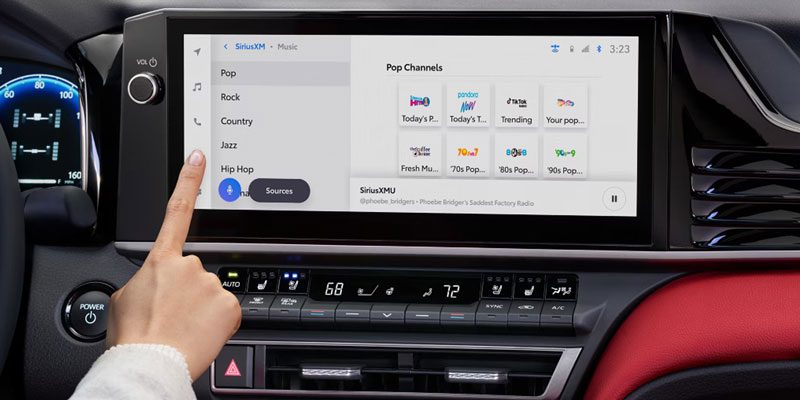
In terms of comfort features, the Passat comes standard with an 11.6-inch entertainment screen for the front passenger, while the Camry features standard dual Type-C fast-charging ports in the rear, reflecting different priorities in usage scenarios.
03 Powertrain: The Trade-off Between Performance and Efficiency
The 2025 Volkswagen Passat is equipped with a 2.0T engine paired with a 7-speed wet dual-clutch transmission across all trims, offering two tuning versions: a low-power version with 186 horsepower and a high-power version with 220 horsepower, both with a peak torque of 350N·m. The 380TSI version accelerates from 0 to 100 km/h in just 7.6 seconds, delivering strong power burst, making it particularly suitable for high-speed cruising and hill-climbing scenarios.
The 2025 Toyota Camry focuses on its hybrid system, with the fifth-generation THS system producing a combined power of 145kW. The dual-engine version achieves a fuel consumption as low as 4.2L per 100 km, allowing for a range of up to 1000 kilometers on a single tank in urban commuting. Although engine noise can be slightly noticeable during rapid acceleration, daily driving remains smooth and effortless.
The two cars present a clear contrast in powertrain choices: the Passat pursues driving excitement and power responsiveness, while the Camry emphasizes energy efficiency optimization and driving smoothness.
04 Smart Technology Configuration: Comparison of Digital Cockpit Experiences
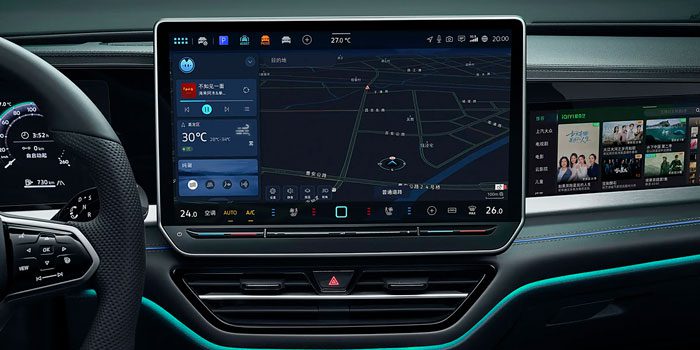
The Passat’s smart cockpit is one of its highlights. The Pro version upgrades to a 10.25-inch full digital instrument cluster and a 12-inch central control screen, powered by a Qualcomm 8155 chip, supporting 5G connectivity, AR navigation, and continuous voice command recognition. The operation smoothness is comparable to that of a tablet. Higher trim levels are equipped with the IQ.Pilot system, supporting automatic lane changing, memory parking, and ramp navigation.
The Camry, meanwhile, features the Toyota Space system. Although it supports CarPlay and four-zone voice interaction, the system startup speed and app ecosystem are somewhat conservative. However, the Camry comes standard with the TSS 3.0 intelligent driving system across all trims, including pre-collision safety and full-speed adaptive cruise control, making safety features more accessible.
In terms of smart features, the Passat tends to offer a more advanced technological experience, while the Camry focuses more on the accessibility of safety technology.
05 Global Market Price Comparison Analysis
From a global perspective, the pricing strategies of the 2025 Volkswagen Passat and the 2025 Toyota Camry vary significantly across different markets:
The Toyota Camry has a starting price of $28,400 in the U.S. market, which is $300 to $455 cheaper than the existing 2024 model. In the Chinese market, the new Camry is priced at 179,800 yuan (approximately $24,800), significantly cheaper than in the U.S. In the Middle East market, the Camry is priced at $29,922, higher than in the U.S.
The Volkswagen Passat’s 380TSI Longyao version in the Chinese market has a discounted starting price of around 187,900 yuan (approximately $25,900). In comparison, the Passat’s pricing strategy in China is more aggressive, offering outstanding value for money.
It is worth noting that the Chinese cars for sale market often has substantial terminal discounts. For example, the actual purchase price of the Passat 330TSI Elite version has once dropped to 153,500 yuan (approximately $21,200). In contrast, the Camry dual-engine version still requires a terminal price of over 180,000 yuan (approximately $24,800).
06 Usage Costs and Resale Value: Long-Term Value Considerations
In terms of maintenance costs, the Camry has a minor service interval of 10,000 km, costing about 800 yuan, and a major service interval of 30,000 km, costing 1,500-1,600 yuan. The Passat has a minor service interval of only 5,000 km, costing 800-1,129 yuan, and a major service interval of 20,000 km, costing 2,300-2,400 yuan. Clearly, the Camry has an advantage in maintenance intervals and costs.
The difference in fuel costs is even more pronounced. The Camry hybrid has a WLTC combined fuel consumption of only 6.24L/100km and can use 92-octane gasoline. The Passat 2.0T has a WLTC combined fuel consumption of 6.94L/100km and requires 95-octane gasoline. Based on a driving distance of 100,000 km, the Camry can save about 9,000 yuan in fuel costs.
Resale value is a traditional strength of the Camry, with a three-year retention rate of 69.78%, 7 percentage points higher than the Passat. This means that after three years of use, the Camry retains about 18,000 yuan more in residual value compared to the Passat.
07 Safety Performance: Comprehensive Protection Comparison
Both cars received top ratings in the China Insurance Automotive Safety Index (C-IASI) crash tests, but they have different emphases.
The Camry comes standard with 10 airbags and the TSS 3.0 system across all trims, providing comprehensive protection even in the base version. The hybrid version adds blind-spot monitoring, offering more detailed pedestrian protection.
The Passat has upgraded A-pillar strength, with high-strength steel accounting for 84% of the body structure, providing more comprehensive side impact protection. However, the mid-to-low trim versions of the Passat only come with 6 airbags, and features like lane keeping require optional upgrades, resulting in a “tiered” difference in safety.
08 Global Market Performance and Future Outlook
The landscape of the mid-size sedan market in the first half of 2025 is undergoing changes. According to data from the China Passenger Car Association (CPCA), retail sales in the domestic mid-size sedan market reached 1.59 million units from January to June, a year-on-year increase of 3.7%.
In this market, the Passat ranked second with sales of 115,162 units in the first half of the year, while the Camry ranked fourth with sales of 98,125 units. The performance of these two traditional fuel-powered giants fully demonstrates their positions in the market.
It is worth noting that the global trend toward electrification in the automotive market is inevitable. Volkswagen has announced the discontinuation of the Passat sedan in Europe, focusing on station wagons and electric vehicles. Toyota has also ceased production and sales of the Camry in Japan, concentrating on core markets like China and the U.S.
In this context, the Chinese cars for sale market has instead become a stronghold for these classic models. Both Volkswagen and Toyota have announced that they will continue to update and sell these models in the Chinese market, even making them “China-specific vehicles.”
09 Conclusion: How to Make the Best Choice for You
After a comprehensive comparison, we can draw the following conclusions:
Choose the 2025 Volkswagen Passat if:
- You prioritize driving dynamics, handling, and high-speed stability
- The vehicle needs to accommodate business reception scenarios
- You value technological features and digital experiences
- You have a relatively limited budget and focus on short-term cost-effectiveness
Choose the 2025 Toyota Camry if:
- You emphasize fuel efficiency, durability, and long-term usage costs
- The vehicle primarily serves daily family commuting
- You are concerned about health protection and standard safety features across all trims
- You plan to change cars within 5 years and value high resale rates
Ultimately, these two cars are like a “suit-wearing powerhouse” and a “home-friendly companion”—there is no absolute superiority, only whether they fit your lifestyle. It is recommended to prioritize test drives, focusing on low-speed jerkiness (for the Passat) and power responsiveness (for the Camry), and then make a final decision based on local promotional offers.
Regardless of which model you choose, the 2025 Volkswagen Passat and the 2025 Toyota Camry represent the pinnacle of traditional mid-size sedans. Before the full advent of electrification, they remain among the most reliable and well-balanced options.


