

Competition keeps intensifying in the global hybrid SUV market. The BYD Song Plus and Toyota RAV4 have undoubtedly captured significant consumer attention. Whether you buy in China or internationally, both models attract numerous loyal fans through their unique advantages.
The BYD Song Plus leads the plug-in hybrid segment. It wins market favor with advanced battery technology and intelligent features. Meanwhile, the all-new 2025 Toyota RAV4 demonstrates strong competitiveness. It leverages Toyota’s long hybrid heritage and a rugged design revolution.
01 Market Positioning and Price Comparison
From a global perspective, both models belong to the compact hybrid SUV category. However, their market strategies and pricing structures show distinct characteristics.
The byd song plus price positioning reflects BYD’s technological confidence. According to market data, the Song Plus New Energy 2025 DM-i Smart Driving Edition starts at approximately 165,800 yuan (about $23,000 USD).
In contrast, the official starting price for the 2025 Toyota RAV4 is 169,800 yuan (about $23,500 USD). Notably, Toyota offers a limited-time renewal policy. This discount brings the entry price down to 151,800 yuan (about $21,000 USD).
On the international stage, the BYD Song Plus shows outstanding export performance. From January to August 2025, overseas sales reached 166,699 units. This makes it BYD’s highest-export-volume model.
This data proves the Song Plus has gained global recognition. It sets an exemplary model for chinese cars for sale in overseas markets.
02 Powertrain and Efficiency Performance
The powertrain forms the core competitiveness of any hybrid SUV. Here, the two models follow completely different technical routes.
BYD equips the Song Plus with a plug-in hybrid system. It features a 1.5L naturally aspirated engine and a 218 horsepower electric motor. Its pure electric range reaches 160 km (CLTC standard). This suffices for daily commuting needs.
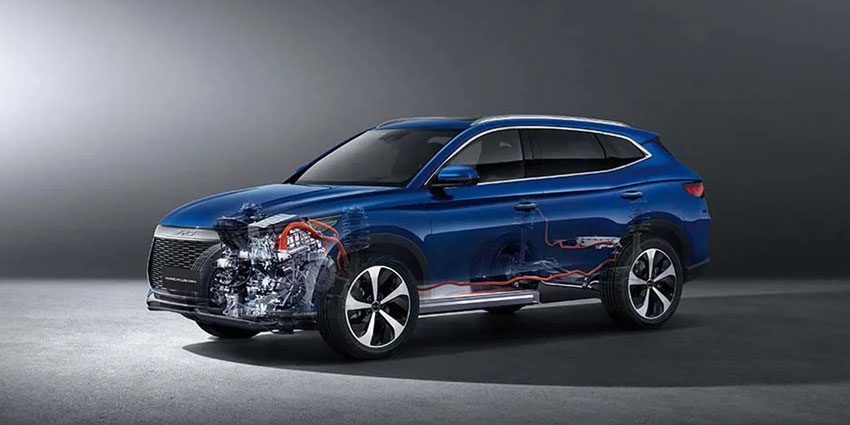
In hybrid mode, the Song Plus’s fuel consumption is only 0.85L/100km (WLTC standard). Even at minimum charge, the system maintains fuel consumption around 4.98L/100km.
This flexibility lets the Song Plus handle short electric trips and long journeys. It truly achieves “can use fuel, can use electricity” full-scenario coverage.
The 2025 Toyota RAV4 offers richer hybrid options. These include 2.0L hybrid and 2.5L hybrid versions. The 2.5L hybrid version delivers maximum power of 174 kilowatts. This provides stronger power output.
The Toyota RAV4 hybrid also shows excellent fuel consumption. It achieves approximately 5L/100km under WLTC conditions. This maintains Toyota’s consistent economic advantage.
From a technical perspective, the Song Plus suits users with fixed charging conditions. The RAV4 requires no charging facilities, making it more convenient for some.
03 Design and Space Comparison
In design language, the two models exhibit completely different aesthetic philosophies.
The 2025 Toyota RAV4 adopts a new rugged design style. It moves away from its previous rounded shape, earning the “little Prado” nickname. The front face features C-shaped LED headlights and a semi-enclosed grille. A robust dual-slatted front grille completes the square, powerful look.
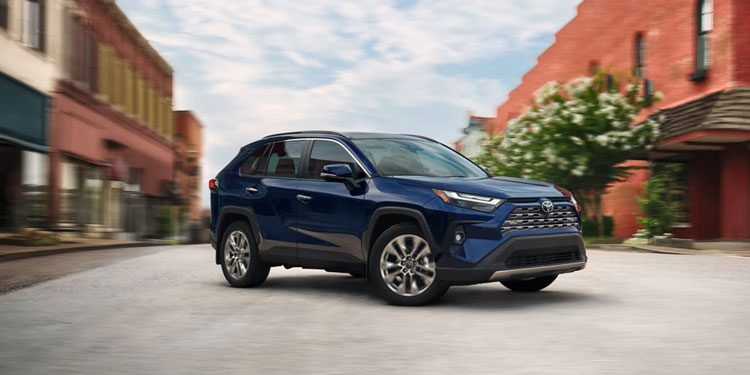
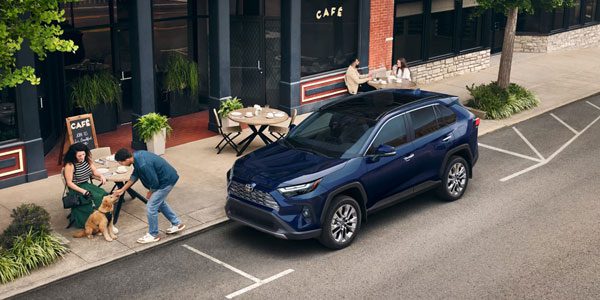
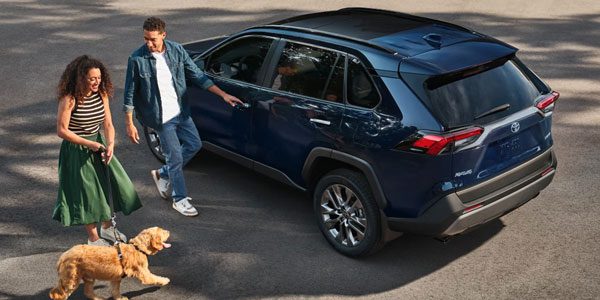
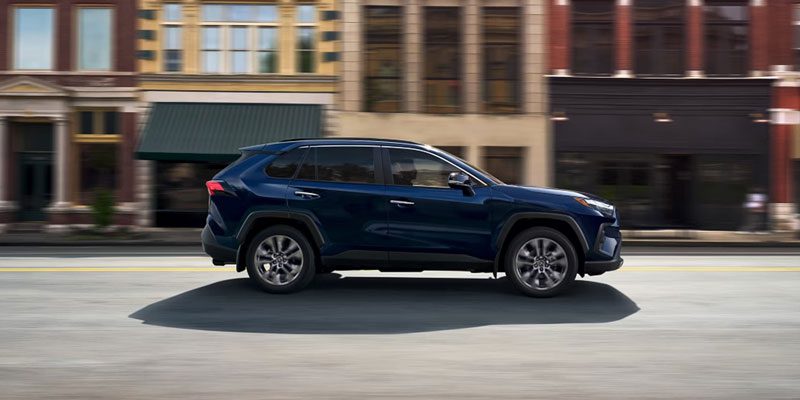
RAV4 employs a “dual-face” design strategy for the first time. The four-wheel-drive version carries an Adventure off-road package for toughness. The two-wheel-drive version uses a refined honeycomb grille for urban style.
In body dimensions, the RAV4 measures 4620/1855/1680 mm. Its wheelbase is 2690 mm. Compared to the previous model, the new car is 20 mm longer. Optimized rear legroom adds 15 mm, enhancing seating comfort.
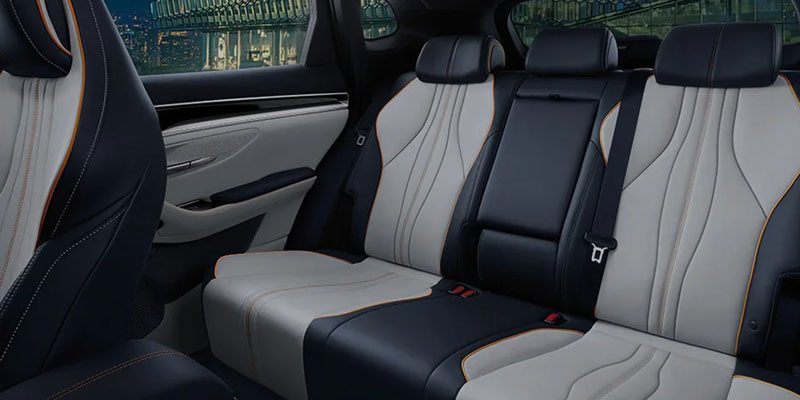
The BYD Song Plus continues its streamlined body design. Its overall shape better suits urban SUV aesthetics. Body size is 4775*1890*1670 mm, with a 2765 mm wheelbase. It surpasses the RAV4 in both length and wheelbase. This provides passengers more spacious legroom.
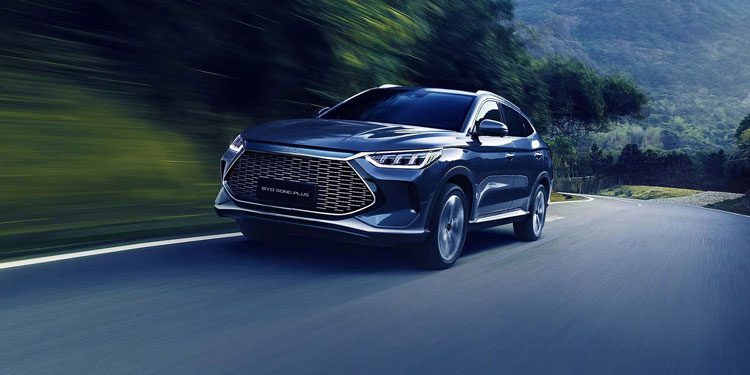

The Song Plus boot capacity is 574-1440 liters. The RAV4 offers 514-749 liters. The Song Plus holds an advantage for loading large items.
04 Intelligent Technology Features
Intelligence has become a core automotive competitiveness. Both models offer valuable technological configurations.
BYD equips the Song Plus with a 12.8-inch adaptive rotating floating screen. It also has a 12.3-inch full LCD instrument panel. The infotainment system uses DiLink intelligent connectivity. This supports 5G network, OTA upgrades, and in-car KTV.
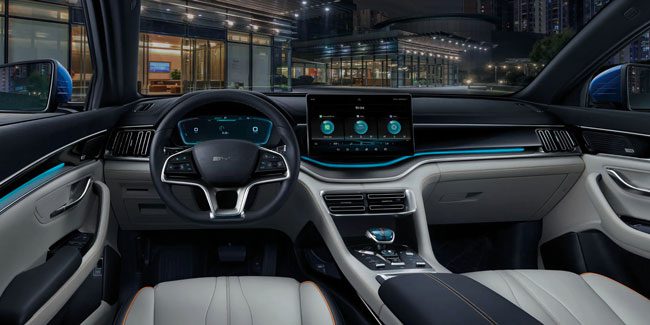
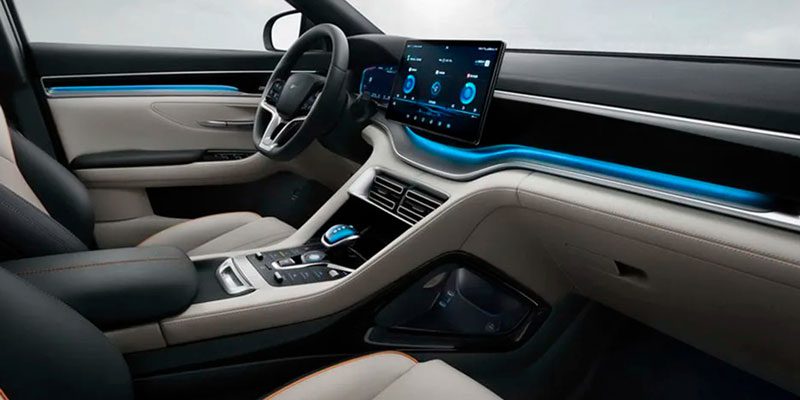
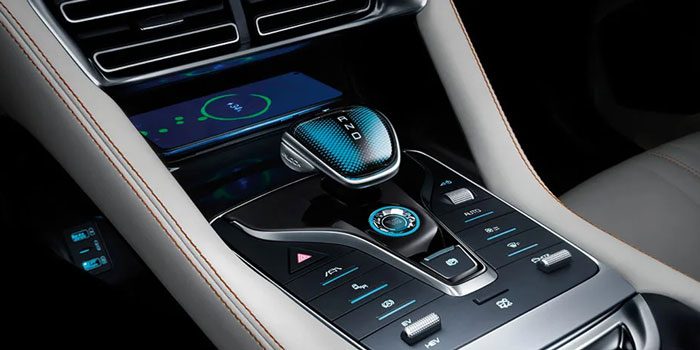

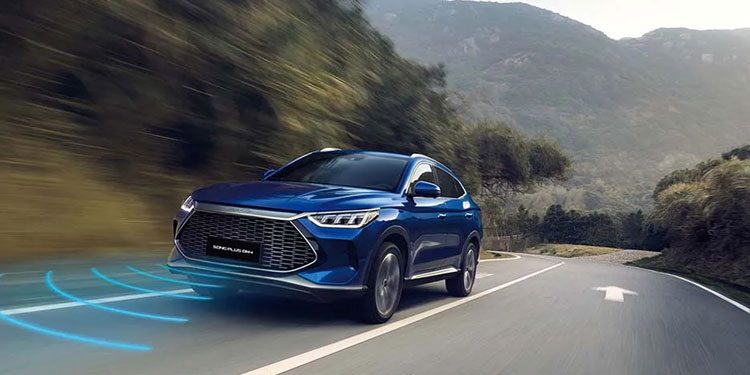
For driving assistance, the Song Plus uses the DiPilot 100 system. It reaches L2 level autonomous driving. The system supports automatic parking, remote-controlled parking, memory parking, and automatic ramp navigation.
The 2025 Toyota RAV4 achieves significant intelligence upgrades. It features a 15.6-inch 2.5K ultra-clear narrow-bezel screen (10.25 inches in some versions). This creates “tri-screen linkage” with the full LCD panel and HUD display.
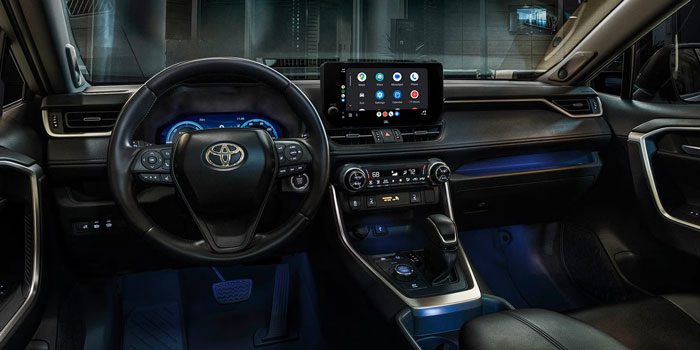
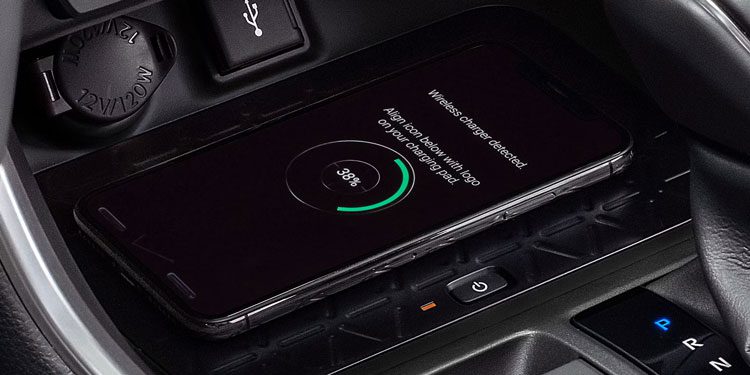
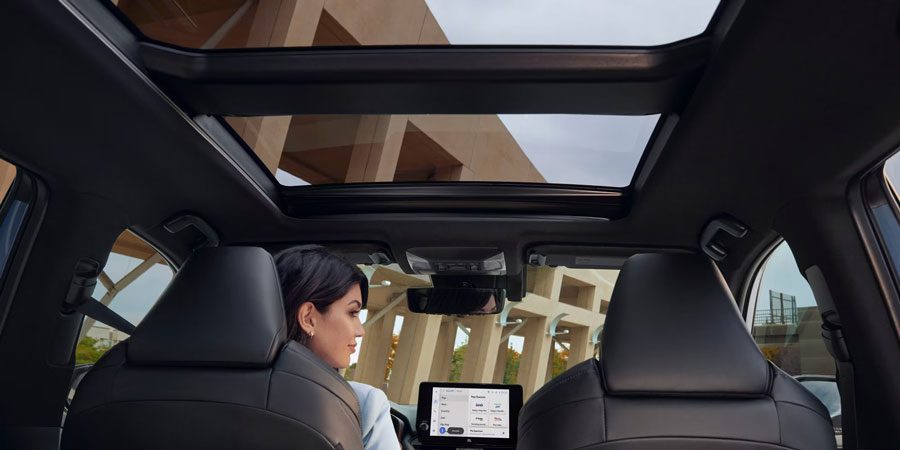
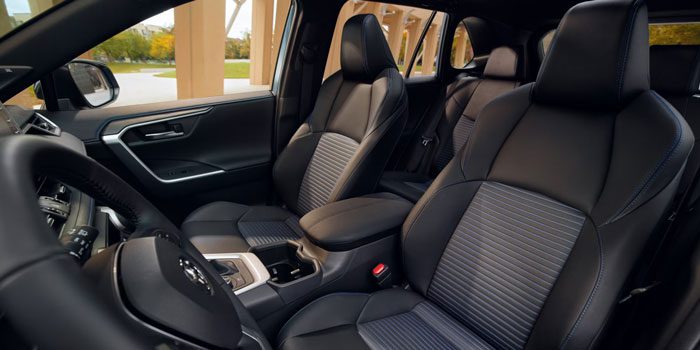

The infotainment system uses a Qualcomm Snapdragon 8155P chip. This ensures smooth operation. It supports full ecosystem connectivity like CarLife, CarPlay, and HiCar. Users get seamless connection regardless of phone brand.
RAV4 equips the Toyota Pilot system. It features 24 high-precision perception hardware. The system supports DRCC Dynamic Radar Cruise Control, BSM Blind Spot Monitor, and panoramic imaging. Higher trims also feature TSS 3.0 PRO assistance driving.
05 Global Market Performance and Reputation
From a global market perspective, both models achieve remarkable results.
The BYD Song Plus demonstrates strong international competitiveness. From January to August 2025, BYD’s cumulative exports reached 601,065 vehicles. The Song PLUS New Energy became the top export model.
In developed European markets like Spain, Italy, and France, BYD’s sales grew rapidly. For example, Spanish monthly sales increased 414.6% year-on-year.
The Toyota RAV4 continues its strong performance as a global best-seller. In July this year, the RAV4 topped the compact SUV sales chart with 55,000 monthly sales.
This achievement indicates that traditional hybrid SUVs maintain strong appeal. This persists even as new energy vehicle penetration keeps increasing.
From a brand perspective, Toyota enjoys a high global reputation. This stems from long-accumulated reliability and high resale value. Meanwhile, BYD rapidly enhances its international brand image. It uses technological innovation and precise market positioning.
Looking globally, the BYD Song Plus suits users with charging access who value technology. Its plug-in hybrid tech, longer electric range, and richer intelligent features make it compelling. Meanwhile, the 2025 Toyota RAV4 becomes the ideal choice for other consumers. They may prioritize long-term reliability, resale value, rugged design, and charging-free convenience.
The success of chinese cars for sale overseas proves a key point. Domestic brands like BYD now possess product strength for direct international competition. Standing at your choice crossroads, ask yourself a question. Do you need a cutting-edge smart electric vehicle more? Or a durable, reliable partner? Your daily needs hold the answer.


