

- Digital First: The Rise of a New Generation of Car Buyers
- Trust and Transparency: The Two Cornerstones of Online Car Buying
- Price and Choice: The Global Dividend of Chinese Cars for Sale
- The Perfect Fusion of Convenience and Humanized Service
- Logistics and Delivery: The Experience Revolution in the Last Mile
- Looking Ahead: The New Normal of Automotive Retail Post-2026
The automotive industry is undergoing an unprecedented transformation. E-commerce now extends far beyond books or clothing. It has shifted into high gear and is fundamentally changing how we buy cars. Consider a young engineer in Munich or a family in Bangkok. A growing number of consumers are bypassing traditional showrooms to select their new cars directly in the digital world.
This article delves into the core forces driving this trend in 2026. It also analyzes the new choices that chinese cars for sale bring to overseas consumers during this global shift.
Digital First: The Rise of a New Generation of Car Buyers
These consumers are digital natives. They typically research online, compare prices, and read reviews before any purchase. Cars were once big-ticket items requiring in-person inspection. Now, they follow the same consumer logic.
A 2025 global study by Valtech clearly reveals this shift. It found that 57% of European consumers want their next car purchase completed entirely online. This represents a dramatic shift in mainstream psychology, not just a niche idea. People want a “frictionless” shopping experience. They want the entire process to be as simple and transparent as ordering from Amazon.
This growing demand has directly spurred an explosion of automotive e-commerce platforms. Projections indicate the global market will reach a staggering $267.8 billion by 2032. Consumers no longer just browse information online. They want the entire transaction cycle—from configuring the model to financing and final delivery—to happen on a screen.
Trust and Transparency: The Two Cornerstones of Online Car Buying
What has dispelled consumers’ previous concerns? The answer lies in unprecedented transparency and technology-driven trust.
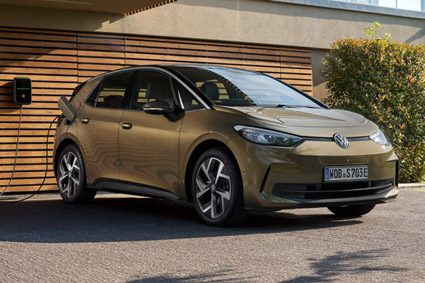
First, pricing transparency has broken down information barriers. The pressure of haggling at dealerships is gone. Consumers on German online platforms now see a car’s final price. For example, a specific Volkswagen ID.3 configuration is clearly listed at €35,000. This certainty greatly enhances the buying experience.
Second, technology makes “test drives” smarter. Augmented and virtual reality tools let consumers explore every car detail from home. Furthermore, AI-powered configurators can accurately recommend models based on individual lifestyle needs. An AI chatbot can answer questions about loan rates or warranty coverage within minutes. Additionally, about 91% of drivers want in-car voice assistants. This familiarity with intelligence now extends from the vehicle to the purchase process.
Price and Choice: The Global Dividend of Chinese Cars for Sale
When discussing the 2026 online car-buying boom, we cannot ignore a powerful force from China. Chinese cars were once primarily for the domestic market, but that situation has changed dramatically. chinese cars for sale in overseas markets are no longer a fringe concept. They have become a popular option in online shopping carts worldwide.
Why are global consumers choosing Chinese cars online? The answer lies in a disruptive breakthrough in “value for money.”
In the European market, for instance, Chinese brands are redefining value with technology and design. Data from January 2026 shows Chinese brands hold an 18% share of Europe’s new energy vehicle market. This makes them the second-largest force after domestic German brands. This achievement is no accident.
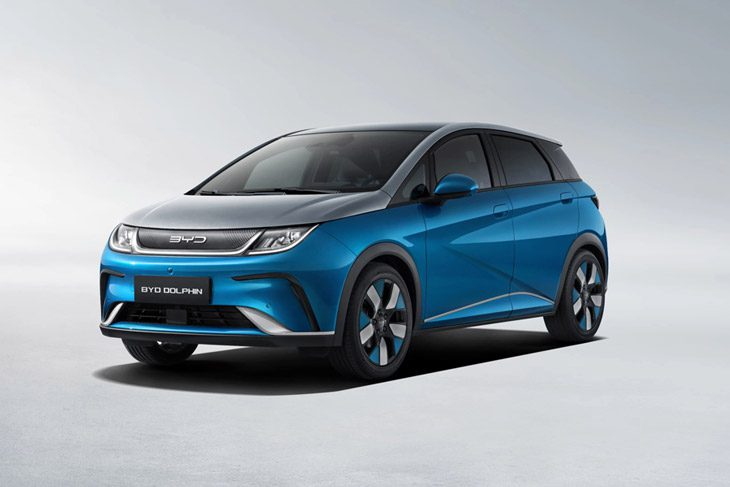
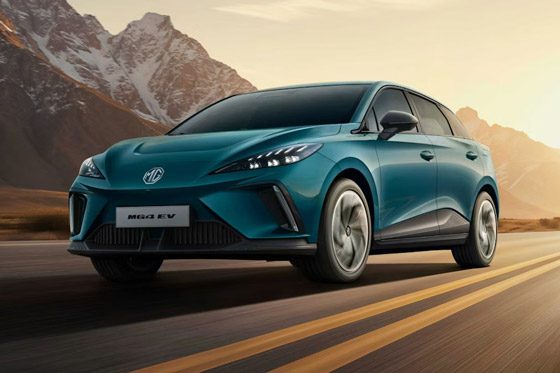
In Germany, BYD‘s Dolphin model starts at just €19,900. Yet it offers rich features and advanced Blade Battery technology that far exceed what the price suggests. Savvy German consumers quickly discover this immense appeal through online spec and price comparisons. Similarly, in the UK, MG leverages its localization advantages. The MG4 model achieves monthly sales exceeding 12,000 units, becoming the UK’s best-selling electric vehicle.
These figures demonstrate that when chinese cars for sale reach European consumers, online channels reveal more than just low prices. They showcase high-level design, reliable range, and intelligent cabin experiences. Online platforms perfectly highlight these advantages. They allow consumers to calmly compare parameters, watch review videos, and make informed decisions.
For example, in the Netherlands, consumers can explore the European version of Xpeng‘s XNGP system through its official website. They can then place an order online. This direct sales model ensures price uniformity and service standardization. It delivers precisely the hassle-free experience that digital-first consumers seek.
The Perfect Fusion of Convenience and Humanized Service
The powerful trend of online car buying does not mean abandoning the “human” element. In fact, successful online models find the optimal combination of digitalization and humanized service.
Research indicates that up to 81% of buyers still want human reassurance at critical moments. Therefore, advanced online platforms do not replace sales consultants. Instead, they reposition them as “trust advisors.”
Imagine this process: A US consumer configures a Zeekr 001, priced at $55,000, on a Saturday night using an online tool. Before clicking “submit order,” they schedule a video call. On Monday morning, a product expert connects via video to answer detailed questions about local charging compatibility. After the call, the consumer confidently pays the deposit online. This “digital-first + human-enabled” hybrid model is becoming the 2026 industry standard.
Logistics and Delivery: The Experience Revolution in the Last Mile
Even the best online shopping experience fails if the product does not arrive promptly. Automotive e-commerce maturity relies heavily on a robust logistics system. When a consumer completes an online transaction for chinese cars for sale, the subsequent delivery phase becomes critically important.
Today, automakers and logistics companies collaborate to create seamless delivery experiences. In Southeast Asia, Chinese automakers like BYD and Changan are building factories in Thailand. This localized production significantly shortens delivery cycles. In Latin America, Great Wall Motor’s Brazil factory has commenced operations. This ensures local online orders receive locally produced cars much faster.
This efficient supply chain directly boosts consumers’ willingness to buy cars online. They know that even with a brand based far away in China, efficient shipping via roll-on/roll-off vessels will bring the vehicle to the nearest port. A well-established distribution network then delivers it to their doorstep.
Looking Ahead: The New Normal of Automotive Retail Post-2026
Online car buying has evolved from a novel experiment into a mature consumption model. For global consumers, the driving forces are multidimensional. They include the ultimate pursuit of convenience, deep trust built by digital tools, and the unprecedented choice and advantages from offerings like chinese cars for sale.
Chinese automakers leverage their technological expertise in intelligent electric vehicles. They use online channels to present competitive products directly to consumers in Germany, France, Thailand, Brazil, and beyond. These consumers can easily compare a €65,000 Nio in Germany against local luxury brands. They can also evaluate an affordably priced MG in the UK. All of this happens through smooth digital interfaces.
Ultimately, the car buyers of 2026 are proving something with their actions. When the online experience is good enough, choices are abundant enough, and prices are transparent enough, clicking “buy” is just the first step in a wonderful ownership journey. The future of automotive retail is no longer about choosing between “online or offline.” It is about providing the most comfortable and trustworthy journey through any possible channel.


