

As Chinese cars rapidly expand their global market share, more international users are thoroughly researching Chinese vehicles and deciding to purchase them. However, there are five critical aspects to understand before buying a Chinese car: importing country and China’s auto import/export policies, vehicle adaptability, import tariff costs, specific purchase procedures, and after-sales service. Below is a detailed breakdown.
I. Policy and Regulatory Compliance
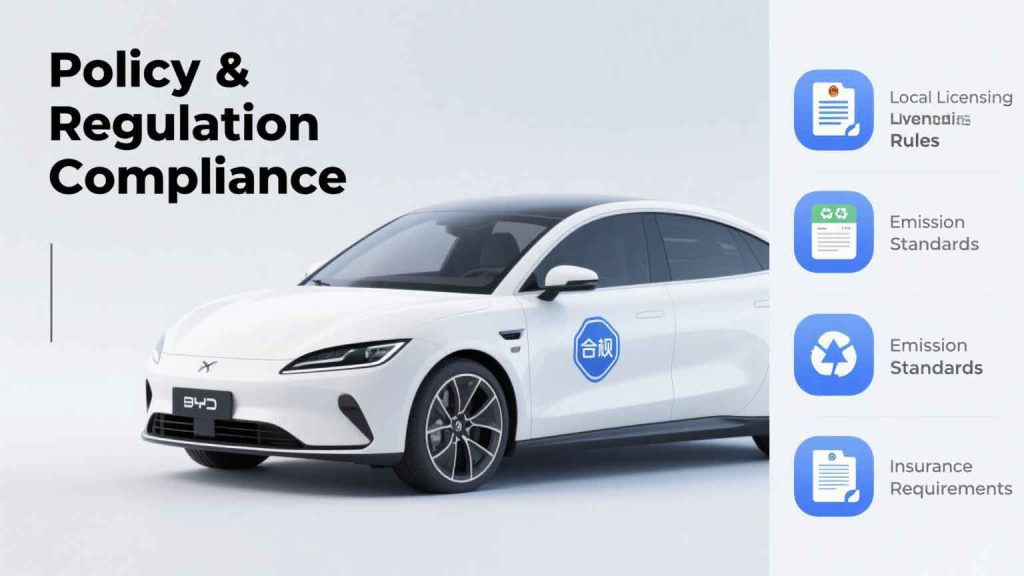
1. Importing Country’s Access Standards
- Certification Requirements: Different countries have specific certification standards for imported vehicles (e.g., EU CE, U.S. DOT, Gulf GCC). For example, Jordan requires imported vehicles to comply with EU, U.S., or GCC standards starting November 2025; otherwise, customs clearance is impossible.
- Emissions and Safety: Confirm compliance with the target country’s emission standards (e.g., Euro Ⅴ/Ⅵ) and safety regulations. Some countries (e.g., Russia) offer tax incentives for low-emission models, while high-displacement vehicles (>4.0L) may incur heavy consumption taxes.
2. China’s Export Procedures
- Export Licenses and Documents: Obtain an export license, vehicle conformity certificate, certificate of origin, etc., and pass China Customs review. Apply for an ATA Carnet (temporary import/export document) to streamline cross-border transportation.
- Cross-Border Transport Compliance: Select professional logistics providers to ensure compliance with conventions like TIR (International Road Transport) and purchase adequate transport insurance.
II. Vehicle Adaptability and Technical Adjustments
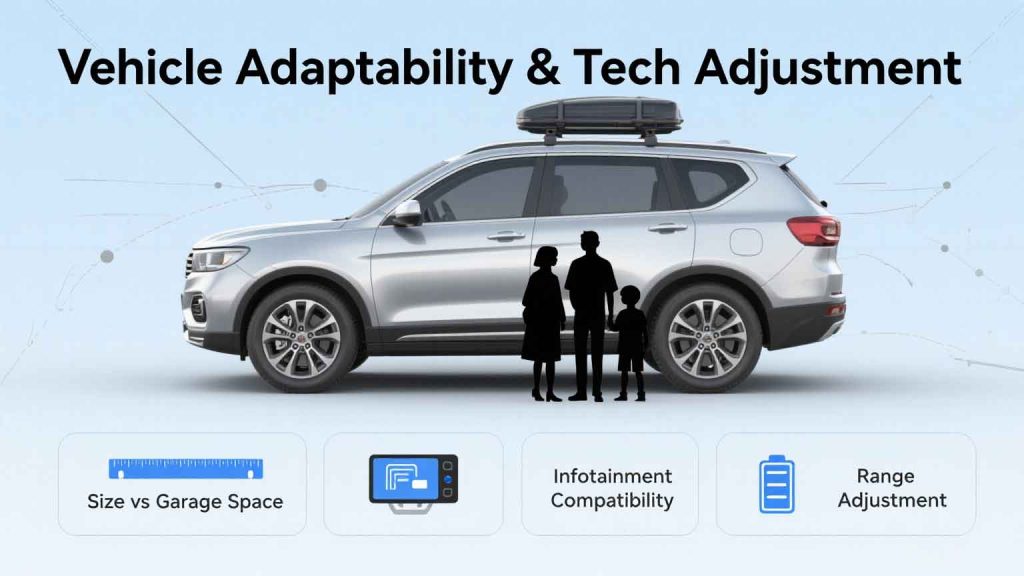
1. Localized Configuration Adaptations
- Emission Systems: If Chinese models don’t meet target country standards (e.g., fuel type, exhaust treatment), retrofitting may increase costs by 10%~20%.
- Hardware/Software Adjustments: Includes instrument units (km/miles), language systems, lighting specs (left-hand/right-hand drive). Confirm customization services with manufacturers in advance.
2. Maintenance and Parts Support
- After-Sales Network: Prioritize brands with official service channels in the target country (e.g., BYD, Geely) to avoid repair difficulties from unauthorized parallel imports.
- Parts Compatibility: Verify if wear-prone parts (filters, brake pads) are compatible with local models; otherwise, stock them early or expect longer lead times.
III. Tax Costs and Financial Planning
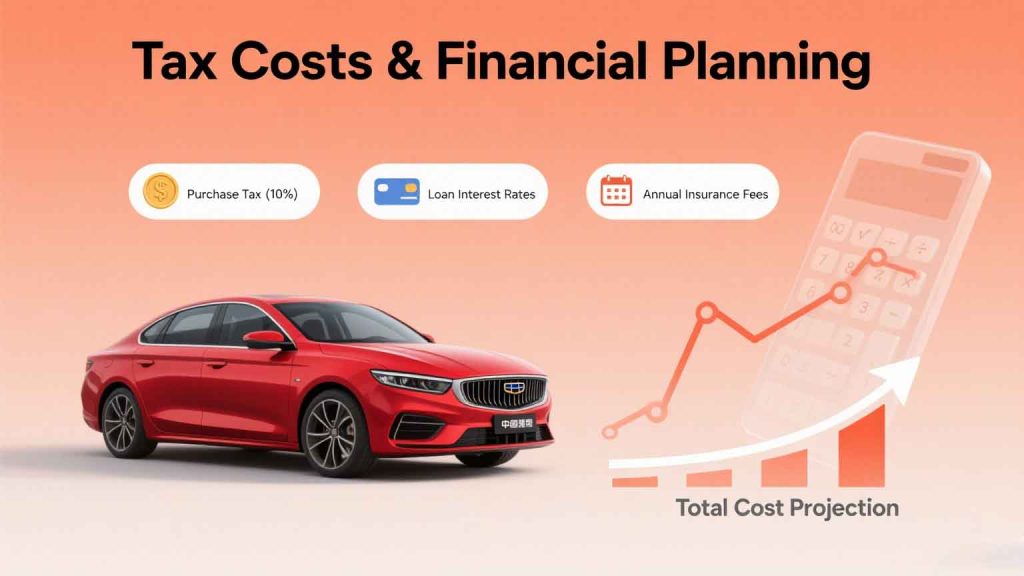
1. Comprehensive Tax Calculation
- Import Process: Includes tariffs (China’s base rate: 25%), consumption tax (tiered by displacement: 1%~40%), and VAT (13%). Total taxes may reach 120% of the vehicle price. Example: A ¥200,000 (≈$27,586) Chinese car imported to a non-free-trade-agreement country costs ~¥440,000 (≈$60,690) post-tax.
- Destination Taxes: Some countries levy additional registration/environmental taxes (e.g., EU CBAM carbon tax effective 2026). Budget accordingly.
2. Utilizing Preferential Policies
- Free Trade Agreement (FTA) Reductions: If the target country has an FTA with China (e.g., ASEAN, Chile), tariffs drop to 0~5%.
- EV Subsidies: Many countries offer tariff waivers for EVs (e.g., Taiwan’s pure EV tariff: 5%). Prioritizing new energy models significantly reduces costs.
IV. Purchase Process and Risk Mitigation
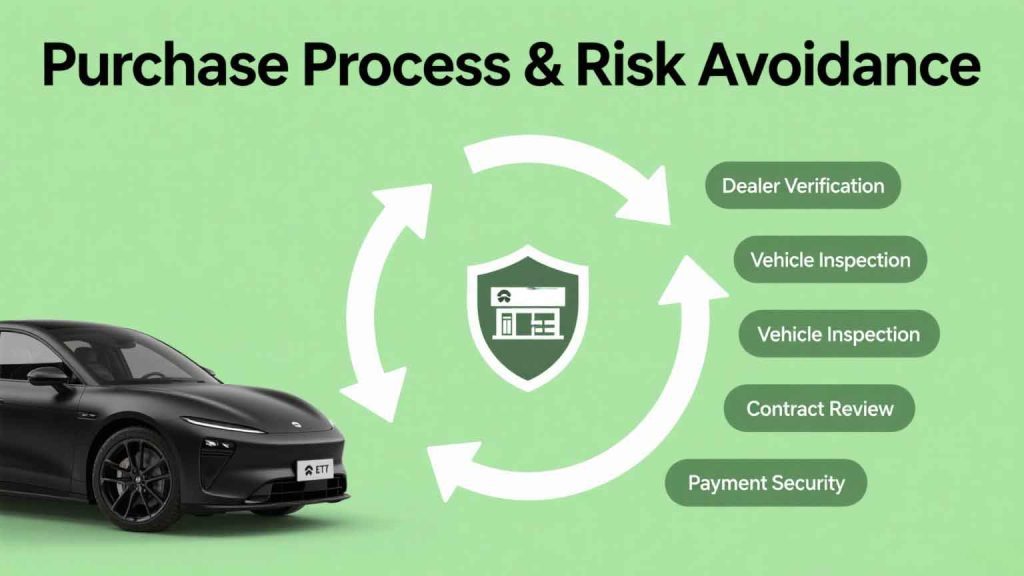
1. Reliable Procurement Channels
Official Authorized Dealers: Avoid “scalper” intermediaries (brokers without inventory). Choose credible traders verified for qualifications (e.g., China Customs AEO certification).
Example: jinyuautos — We hold auto export licenses and offer extensive (spot) resources for Chinese brands. Our professional team designs tailored import plans, handling transport, customs clearance, and all required documents (including authoritative vehicle inspection reports). We guarantee reasonably priced, high-quality Chinese cars compliant with Euro 5 standards. Contact us for needs.
Vehicle Inspection: Commission third-party tests (e.g., SGS) to check transport damage, battery status (EVs must ship powered down), and mileage authenticity.
2. Document Integrity
- Essential Customs Documents: Goods Import Certificate (Customs Declaration), Commodity Inspection Report, 3C Certification, Invoice, and Import Vehicle Data Sheet — all are mandatory.
- Clear Ownership: Verify the vehicle has no liens (check the Vehicle Registration Certificate) to prevent ownership disputes.
V. After-Sales Service and Long-Term Use

1. Warranties and Guarantees
- Parallel Import Risks: Most brands exclude overseas “three-guarantees” (repair/replacement/return). Purchase separate “three-guarantees insurance” (~1%~2% of vehicle price/year).
- Warranty Terms: Confirm manufacturers’ global coverage. Example: BYD covers overseas battery warranties for some models but requires pre-registration.
2. Registration and Local Regulations
- Registration Limits: Some countries require registration under the owner’s name (residence permit needed). Foreigner-owned vehicles may need 1-year customs supervision before transfer.
- Insurance Compliance: Buy compulsory local insurance (e.g., third-party liability). Some countries mandate environmental liability insurance.
Summary Recommendations
- Prioritize Policy-Friendly Regions: Opt for FTA partners like ASEAN or the Middle East for lower taxes.
- Choose Established Export Brands: Brands like Chery and Great Wall offer right-hand-drive models and overseas after-sales systems for better adaptability.
- End-to-End Professional Services: Hire integrated agents with import/export licenses (e.g., Zhongqi Chengyi) to handle customs, shipping, and local registration.


