

- Powertrain: The Choice Between Pure Internal Combustion and Hybrid All-Wheel Drive
- Chassis and Handling: Fine-tuned for Increased Power
- Braking System: Reducing Weight for Performance, Upgrading for Safety
- Exterior and Exclusive Features: Subtle Identity Markers
- Pricing: Analysis of US Market Pricing
- Conclusion: Do You Prefer Pure Control or Ultimate Combined Performance?
For enthusiasts of American supercars, the 2026 Chevrolet Corvette family brings an unprecedented surprise. The long-rumored hybrid version has finally been officially unveiled under the name “ZR1X“. While it looks very similar to the standard ZR1, the two are worlds apart in the unseen mechanical aspects. This article will provide an in-depth analysis of the core differences between the 2026 Chevrolet Corvette ZR1X and ZR1.
Powertrain: The Choice Between Pure Internal Combustion and Hybrid All-Wheel Drive
This is the most fundamental difference between the two.
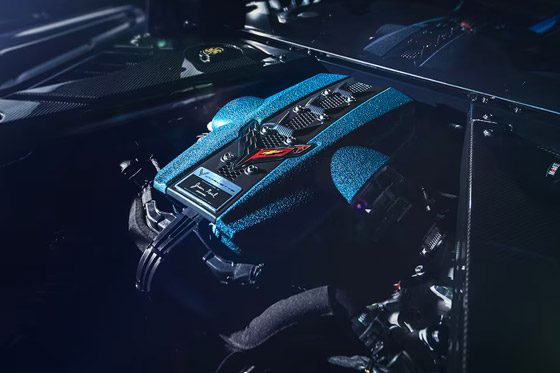
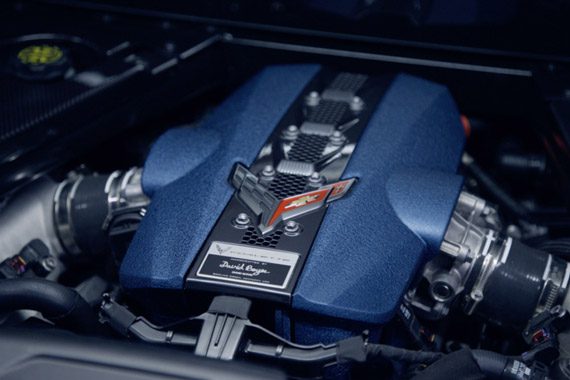
The 2026 Chevrolet Corvette ZR1 adheres to the belief in pure internal combustion. It houses a 5.5-liter twin-turbocharged V8 engine, sending all power to the rear wheels and producing an astonishing 1064 horsepower. Engineers built this beast for traditionalists, where all power control requires precise management by the driver through the right foot and steering wheel.
The 2026 Chevrolet Corvette ZR1X, in stark contrast, represents the future direction. It borrows hybrid technology from the E-Ray, adding a front-axle electric drive system while retaining the ZR1’s V8 engine. This combination boosts the ZR1X’s total output to an astounding 1250 horsepower and enables all-wheel drive. Specifically, the additional electric motor not only brings more ferocious acceleration (0-60 mph in under 2 seconds) but also makes this supercar more stable through corners with electronic aids like torque vectoring.
Chassis and Handling: Fine-tuned for Increased Power
The increase in power necessarily requires synchronized evolution of the chassis and control systems. Consequently, engineers have made several key adjustments.
- Suspension System: The two models feature different Magnetic Ride suspensions. The ZR1X uses a specific version with the RPO code FEH, while the ZR1 comes equipped with the FE8 suspension. As a direct result of the ZR1X’s heavier front end and the additional electric motor power, this targeted adjustment helps maintain optimal handling characteristics.
- Drive Modes: The ZR1X introduces a more advanced PTM Pro traction management system. This system offers more precise traction control adjustments. Furthermore, targeting the hybrid system, the ZR1X adds unique track modes, such as “Endurance Mode” which conserves battery charge during long laps, and “Qualifying Mode” which unleashes maximum power for one or two laps.
- Transmission: The ZR1X comes with a transmission carrying the exclusive code MLP, distinguishing it from the ZR1’s unit. Engineers designed this specific transmission to handle its higher combined torque output.
Braking System: Reducing Weight for Performance, Upgrading for Safety
Enormous horsepower requires an equally powerful braking system to match.
- Specifically, the ZR1 comes standard with J58 brake calipers.
- The ZR1X, however, comes standard directly with the larger J59 carbon ceramic braking system. Notably, this braking system is only available on the ZR1 as part of the optional ZRK performance package. It features 16.5-inch carbon fiber brake rotors and 10-piston front calipers, capable of generating up to 1.9G of deceleration force. This top-tier braking system ensures the ZR1X delivers equally exceptional braking performance and heat resistance on the track.
Exterior and Exclusive Features: Subtle Identity Markers
Visually, distinguishing between the two requires some careful observation.
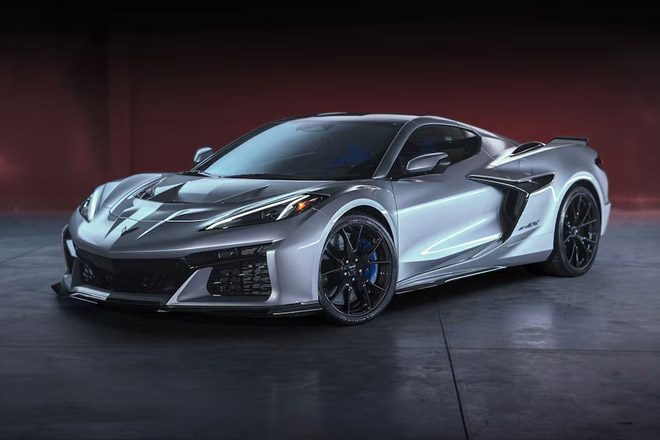
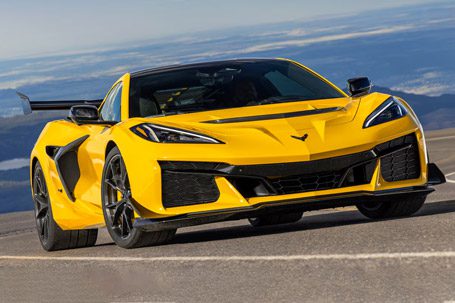
- Base Aero: Without opting for the high-flow aero package, the ZR1 features smoked finish spoiler bridge components. Meanwhile, the ZR1X boasts an exclusive DTB Electic Blue dual racing stripe paint scheme.
- Limited Edition: The 2026 ZR1X introduces the highly collectible Quail Silver Limited Edition. This version features a unique Blade Silver matte paint finish (inspired by the first-generation Corvette from 1953), paired with a Sky Cool Gray/Orange interior, an exclusive limited edition numbered plaque, orange calipers, and black exhaust tips. Importantly, this car is exclusive to the ZR1X, and buyers cannot option it on the standard ZR1.
Pricing: Analysis of US Market Pricing
As the range-topping flagship model, the ZR1X’s price naturally exceeds the ZR1’s. To understand the value proposition, below are the starting Manufacturer’s Suggested Retail Prices (MSRP) for the US market, excluding the $1150 official suggested destination charge (which has increased from the 2025 level):
2026 Chevrolet Corvette ZR1 (US Starting Price)
- ZR1 Coupe 1LZ: Approximately $182,000 USD.
- ZR1 Coupe 3LZ: Approximately $193,000 USD.
- ZR1 Convertible 1LZ: Approximately $192,000 USD.
- ZR1 Convertible 3LZ: Approximately $203,000 USD.
2026 Chevrolet Corvette ZR1X (US Starting Price)
- ZR1X Coupe 1LZ: Approximately $207,100 USD.
- ZR1X Coupe 3LZ: Approximately $218,100 USD.
- ZR1X Convertible 1LZ: Approximately $217,100 USD.
- ZR1X Convertible 3LZ: Approximately $228,100 USD.
- ZR1X Quail Silver Limited Edition: Priced higher, with foreign media reporting its starting price excluding destination charges at approximately $241,395 USD.
Consequently, the starting price of the ZR1X is about $25,000 USD higher than a comparably equipped ZR1. In short, the premium reflects its advanced technology and enhanced performance capabilities.
Conclusion: Do You Prefer Pure Control or Ultimate Combined Performance?
Ultimately, choosing the 2026 Chevrolet Corvette ZR1 means selecting a 1064-horsepower rear-wheel-drive beast, enjoying the most traditional and pure driving pleasure. It stands as the pinnacle of the internal combustion engine era.
Similarly, choosing the 2026 Chevrolet Corvette ZR1X means embracing the most advanced technology currently available in the automotive industry. With hybrid power and all-wheel drive, it pushes horsepower to a new height of 1250 hp, reaching new levels in acceleration, lap times, and controllability.
No matter where you are, including those enthusiasts paying attention to the 2026 Chevrolet Corvette ZR1 and car sale information in China, these two models represent the latest heights of American supercars. It’s only a matter of time before they enter the Chinese market through import channels. Which one would you lean towards? The ZR1, holding firm in the pure internal combustion camp, or the ultimate hybrid supercar representing future technology, the ZR1X?


